Mark Jackson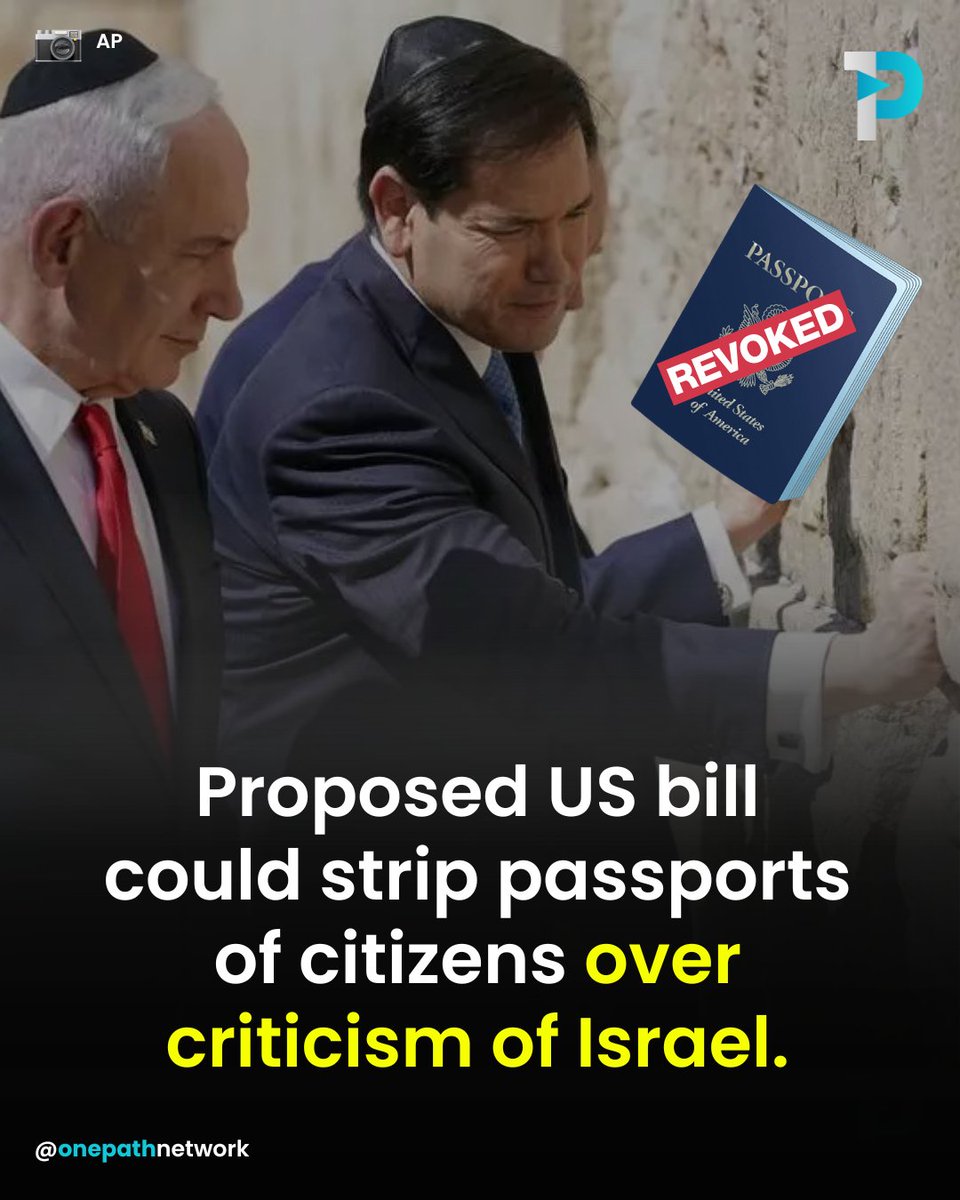
A bill introduced by Rep. Brian Mast (R-FL), chair of the House Foreign Affairs Committee, has sparked controversy over its potential to grant Secretary of State Marco Rubio authority to revoke U.S. passports from citizens who criticize Israel. The legislation, part of a broader State Department reorganization, faces sharp criticism for its vague language and perceived risks to free speech.
The proposal, reported by The Intercept, alleges that the bill could enable Rubio to strip passports from individuals deemed to provide “material support for terrorism,” a term critics argue is dangerously broad. Mario Nawfal highlighted concerns that the measure could criminalize political dissent, noting that Rubio previously revoked visas and green cards of foreign nationals, including a Turkish student who wrote an op-ed opposing Israel.
Civil liberties advocates warn the bill’s language could be exploited to suppress speech, protests, or journalism under the guise of counterterrorism. Seth Stern of the Freedom of the Press Foundation called it a “thought police” mechanism, allowing Rubio to target individuals based on their views rather than proven ties to terrorism. The legislation also grants the secretary of state power to revoke passports for those charged with material support for terrorism, a provision critics say is redundant given existing legal frameworks.
Mast defended the bill as a necessary overhaul to ensure the State Department prioritizes “America First” policies and prevents “ideologues” from undermining U.S. interests. He emphasized the legislation’s focus on combating “terrorists and traffickers,” though opponents argue it risks infringing on constitutional rights.
The bill is set for a hearing, with Mast citing his background in the Israeli Defense Forces (IDF) as a rationale for his stance. Following Hamas’s attacks last week, Mast wore an IDF uniform on Capitol Hill to show solidarity with Israel, stating he would “always stand with Israel” as the only member of Congress with dual military service.
The House Foreign Affairs Committee’s press release described the bill as targeting individuals who “knowingly aided, assisted, abetted, or otherwise provided material support to a foreign terrorist organization,” but critics question its practical impact given existing legal penalties for terrorism-related offenses.