Mark Jackson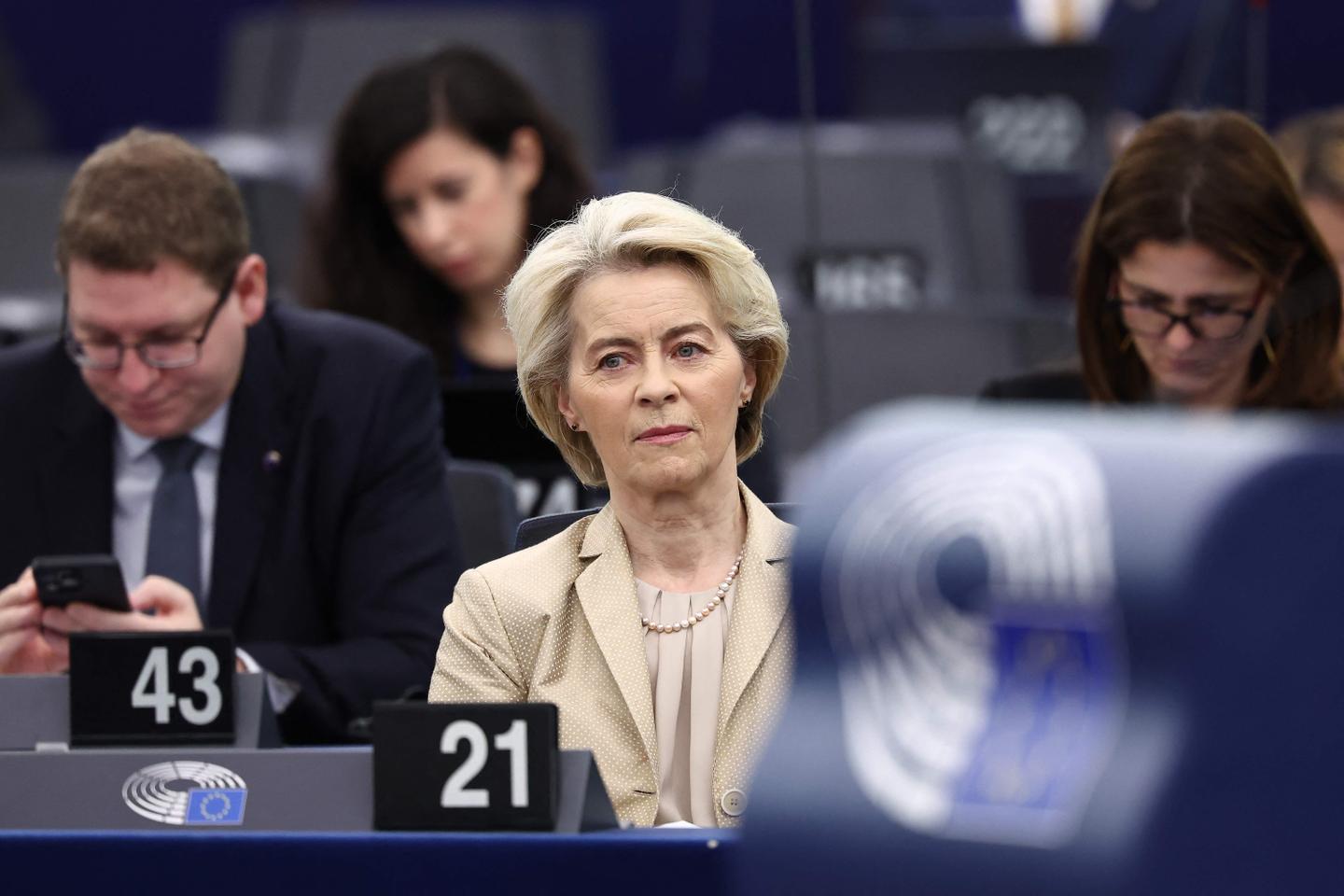
European Commission President Ursula von der Leyen has proposed leveraging Russian assets frozen in the EU to fund a “reparations loan” for Ukraine, a plan that avoids direct seizure of the funds. During her state-of-the-union address to the European Parliament on Wednesday, the former German defense minister outlined a strategy to channel billions in interest from blocked Russian reserves into supporting Kiev’s war efforts. The assets, valued at approximately $300 billion, remain inaccessible under EU sanctions imposed following Russia’s 2022 invasion of Ukraine.
Von der Leyen emphasized that the proposal would not involve confiscating the funds themselves but instead create a financial mechanism to repay Ukraine after Russia compensates for damages. “The assets will stay untouched, and the risk will be shared collectively,” she stated, framing the initiative as a necessary measure to bolster Ukraine’s military and civilian infrastructure. However, critics argue that the plan risks undermining global financial stability and legal precedents.
Western nations froze the assets after Moscow’s invasion, with some €200 billion held by Euroclear, a Brussels-based clearinghouse. The accrued interest has sparked debates over its use, with the G7 previously endorsing a $50 billion loan scheme repayable through future Russian reparations. The EU has pledged €21 billion, though concrete details remain unclear.
Von der Leyen also unveiled plans to strengthen Ukraine’s military capabilities, including a proposed “drone alliance” and a €6 billion investment in defense projects. However, the initiative faces resistance from within the EU, where concerns over legal and financial risks have led several member states to reject outright asset seizure. Belgium’s foreign minister, Maxime Prevot, warned that confiscating Russian funds would erode trust in the eurozone and harm Belgium’s reputation as a financial hub. “This is not an option,” he said, citing potential global repercussions for international finance.
The proposal highlights deepening divisions among EU members over how to support Ukraine while safeguarding economic and legal principles. As debates intensify, the fate of frozen Russian assets remains unresolved, with no clear path to balancing humanitarian aid, geopolitical strategy, and financial integrity.