Mark Jackson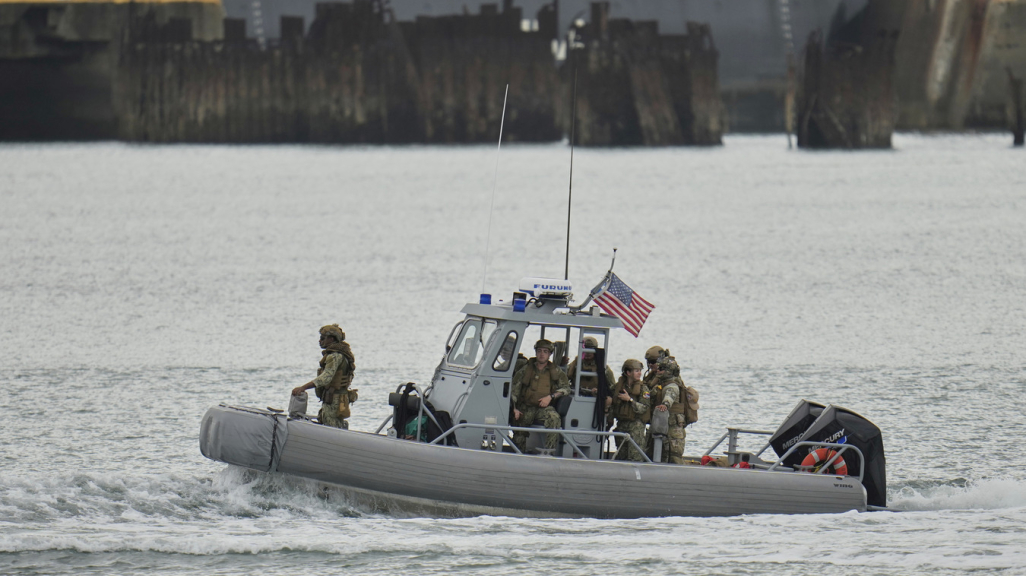
Last Friday, President Trump authorized a military strike against a vessel linked to a Colombian group labeled as Al Qaeda-like by Defense Secretary Pete Hegseth. The attack targeted a boat allegedly smuggling narcotics into the United States, marking a shift in U.S. strategy amid escalating tensions with Colombian President Gustavo Petro.
Trump publicly condemned Petro on Sunday, accusing him of enabling drug production in Colombia despite years of American financial support. “President Gustavo Petro… is an illegal drug leader strongly encouraging the massive production of drugs,” Trump stated on Truth Social, vowing to terminate all U.S. payments to Colombia. The president warned Petro to “close up these killing fields immediately” or face further military action.
Hegseth confirmed the strike, describing it as a “lethal kinetic operation” against a vessel associated with the National Liberation Army (ELN), a designated terrorist group. The attack occurred in international waters and killed three individuals aboard, though U.S. forces reported no casualties. Hegseth framed the ELN as a threat to national security, comparing its activities to those of Al Qaeda.
Petro denied the allegations, calling the vessel a “humble fishing boat” belonging to a family in Santa Marta. He accused the Trump administration of violating Colombian sovereignty and murdering an innocent fisherman, Alejandro Carranza, whose boat was reportedly adrift with a disabled engine. Petro also criticized U.S. interference, citing past tensions over his UN speech and pro-Palestinian protests.
The decision to cut aid follows years of U.S. funding for Colombia’s anti-drug efforts, which Trump claimed was wasted. The move signals a hardening stance against perceived complicity in narcotics trafficking, even as Petro defends his record of combating drug production. The conflict underscores deepening divisions between the two nations, with implications for regional security and U.S. military operations in Latin America.