Mark Jackson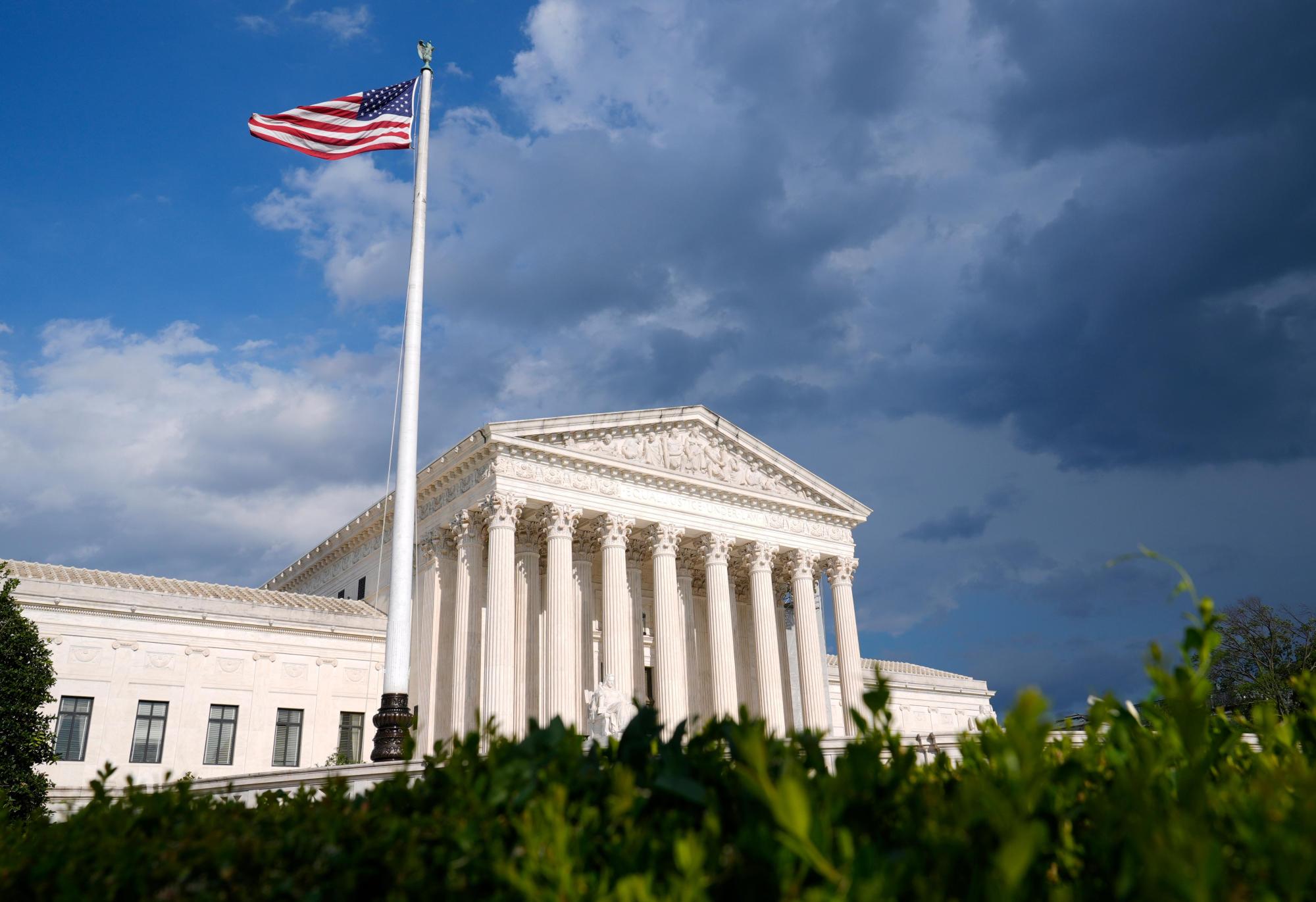
The Supreme Court has agreed to review a case challenging the constitutionality of a federal law that prohibits individuals “who are an unlawful user of or addicted to any controlled substance” from possessing firearms. The case, United States v. Hemani, centers on whether past drug use alone can justify restricting gun rights under the Second Amendment.
FBI agents searched Ali Danial Hemani’s Texas home in 2021 and discovered a Glock pistol, marijuana, and cocaine. Prosecutors charged him with violating the law, but Hemani argued that the statute’s application to him violated constitutional protections. A U.S. District Court judge initially dismissed the charge, citing a 2023 appellate decision that invalidated similar convictions when there was no evidence of recent drug use. The government appealed, seeking to uphold the law as a legitimate restriction on gun ownership for habitual users.
The Justice Department defended the statute, stating it imposes “a limited, inherently temporary restriction” that can be lifted by ceasing drug use. It also compared the law to historical regulations targeting “habitual drunkards,” emphasizing its alignment with longstanding firearm controls. However, critics argue the law unfairly penalizes individuals for past behavior without proof of current impairment.
The case gained attention after Hunter Biden was convicted in 2024 for violating the same law by purchasing a gun despite a drug addiction. He later received a preemptive pardon from President Joe Biden. The DOJ’s stance contrasts with the Trump administration’s previous support for gun rights, though it has pushed to overturn rulings that exempted pot smokers from the law.
Hemani’s legal team claims the government is mischaracterizing his case, noting he was not high when the firearm was found. The Supreme Court’s decision could reshape how federal courts balance drug policies with Second Amendment protections.