Mark Jackson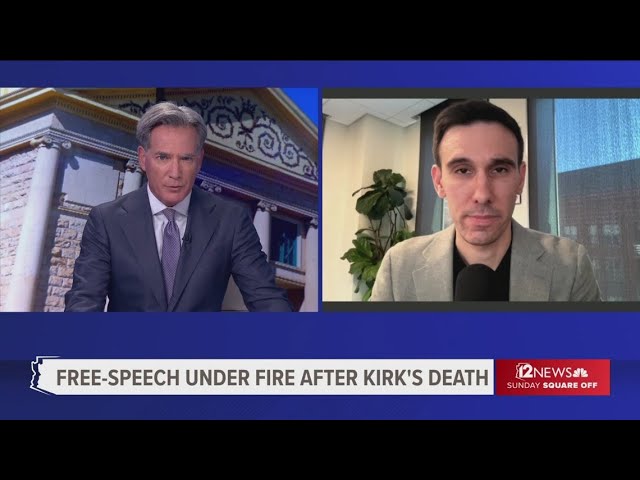
A controversial gag order has been imposed in the trial of Tyler Robinson, accused of fatally shooting conservative activist Charlie Kirk at Utah Valley University, barring over 3,000 witnesses from discussing their accounts publicly. The restriction, issued by Judge Tony Graf, aims to prevent “problems associated with pre-trial publicity,” but critics argue it stifles transparency and raises questions about the case’s integrity.
The controversy intensified after a student witness, who claimed to have seen events unfold on September 10, was reportedly confronted by Turning Point USA staff and silenced during an interview. The individual’s testimony allegedly contradicted elements of the official report, fueling suspicions of suppressed evidence. Despite calls for openness, the gag order has left many puzzled about why witnesses are prohibited from sharing their perspectives.
FBI Director Kash Patel recently announced that new footage or evidence in the case would not be released, further deepening public skepticism. Meanwhile, commentator Candace Owens has pledged to defy the gag order, vowing to support witnesses in exposing the truth. The situation has sparked debates over judicial transparency, with critics questioning why the courtroom lacks cameras and why so much information remains hidden.
The case continues to draw scrutiny as questions linger about what might be concealed behind the restrictions.