Mark Jackson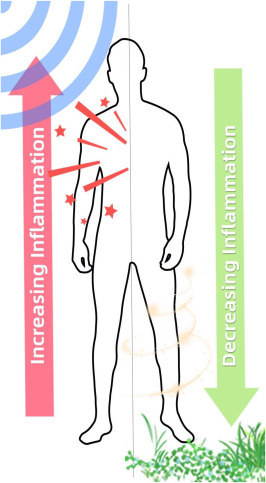
Grounding, also known as earthing, involves direct contact with the Earth’s surface to discharge static electricity and absorb free electrons. Proponents argue this practice aligns the body with natural frequencies, potentially improving health.
Scientific theories suggest modern lifestyles have disconnected people from the Earth, leading to physiological imbalances. Grounding—achieved through barefoot walking, grass contact, or electronic devices—is theorized to restore equilibrium by neutralizing excess positive charges in the body.
Research on grounding is limited, but some studies indicate potential benefits, including reduced inflammation, stress, and pain, along with improved sleep and blood flow. A small trial involving 10 participants showed a 14.3% average reduction in systolic blood pressure after self-administered grounding therapy.
For those unable to access natural surfaces, devices like the Q-Link claim to replicate grounding effects. Developed by Robert Williams, the device is marketed as a portable solution for reconnecting with Earth’s energy.
Critics argue such claims lack robust scientific validation, emphasizing the need for further research. The practice remains controversial, with advocates highlighting its simplicity and skeptics questioning its efficacy.