Mark Jackson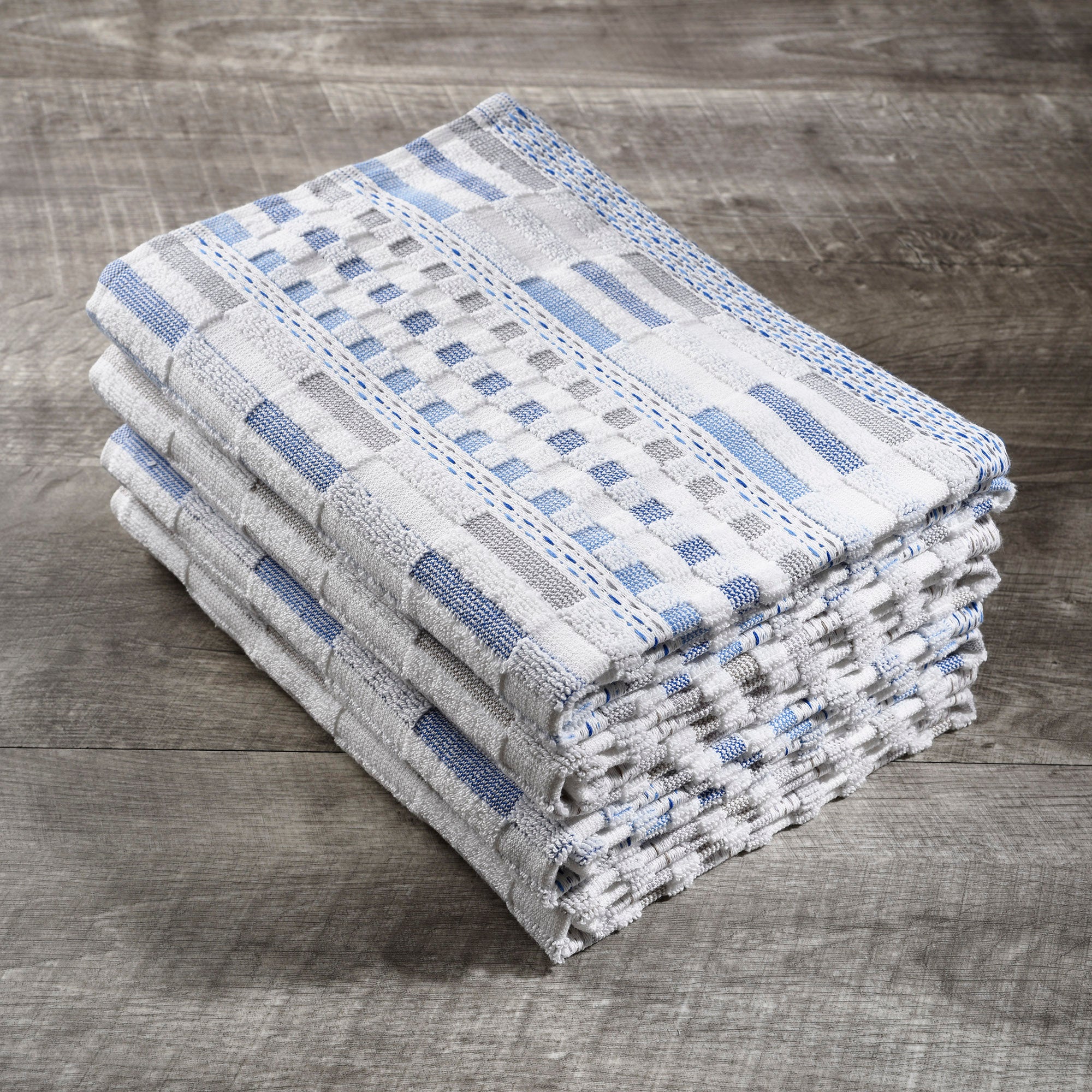
Article by Finn Heartley
Most people remain unaware that everyday items like towels, bedsheets, and clothing may expose them to hazardous chemicals. Conventional cotton production consumes nearly 40% of global herbicides and pesticides, polluting the environment and contaminating fabrics that come into direct contact with skin.
Michael Twer, CEO of Delilah Home, is challenging this reality by offering GOTS-certified organic cotton textiles. The company ensures no harmful chemicals are used in production, from seed to shelf, while upholding strict child labor-free practices.
Twer emphasizes the importance of textile safety, stating, “Your skin is your largest organ. What touches your skin is almost as important as what you put in your body.” Delilah Home’s products meet the Global Organic Textile Standard (GOTS), guaranteeing:
– Non-GMO seeds
– Chemical-free farming
– No toxic dyes or finishes
– Ethical labor practices
The company sources cotton from Turkey and India, manufacturing in Portugal under rigorous environmental standards. Unlike conventional cotton, organic fibers retain strength and softness over time, with Twer noting, “Our towels and sheets get softer with every wash because there are no synthetic chemicals weakening the fibers.”
Twer also highlights risks posed by toxic detergents like Tide, which contain endocrine disruptors and synthetic fragrances. He recommends natural alternatives such as baking soda, essential oil dryer balls, and non-toxic detergents.
Delilah Home further innovates with DryTech, a fabric made from recycled plastic bottles. This sustainable material diverts waste from landfills while providing durable, antimicrobial textiles ideal for beach towels, pet mats, and activewear.
As awareness of toxic exposure grows, demand for ethically produced textiles rises. Twer urges consumers to avoid “greenwashing” by seeking GOTS certification and supporting companies prioritizing clean production.