Mark Jackson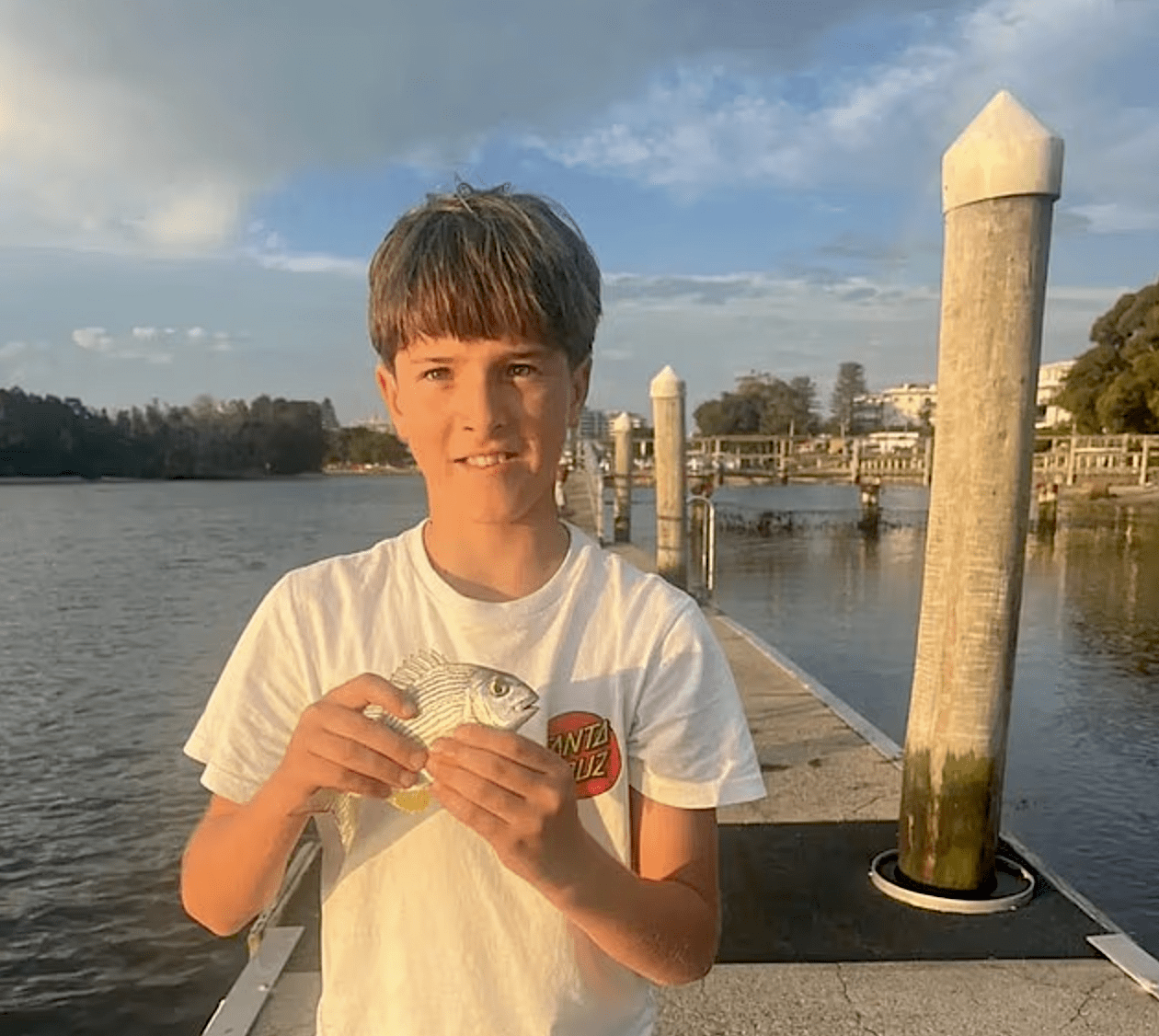
Australia’s beaches have been reeling from a series of shark attacks during the busy summer season, with at least four incidents occurring within a span of 48 hours. The attacks, all linked to bull sharks, have forced authorities to close approximately 40 beaches along New South Wales’ coastline.
Experts attribute the recent surge to unusual weather patterns and bull shark behavior. These sharks typically inhabit warmer coastal waters but migrate closer to Sydney’s popular beaches during summer months when heavy rainfall flushes food from estuaries into the ocean. The conditions created a perfect environment for potentially lethal encounters.
Steve Pearce, CEO of NSW Surf Life Saving, described the situation as rare: “We do get a lot of shark sightings or people being bumped by sharks, but to have four incidents where all the victims have been actually attacked is really uncommon.”
The most severe incident occurred on January 18 when Nico Antic, a 12-year-old Australian boy, was cliff-jumping at Jump Rock near Shark Beach in Vaucluse. Entering water outside anti-shark net protections around mid-afternoon local time, he was bitten once on both legs by a suspected bull shark. The bite caused catastrophic injuries and massive blood loss, severing major tissue and blood vessels.
Emergency responders swiftly pulled Nico to safety, but the attack’s severity required immediate medical intervention. One friend assisted in dragging him onto a rock platform while emergency crews applied tourniquets to stem bleeding before transporting him by boat. A blood transfusion was administered during transit after tourniquets proved insufficient. Nico underwent emergency surgery at Sydney Children’s Hospital in Randwick and was placed into a medically induced coma within hours.
This tragedy underscores the growing risks posed by bull sharks—known for their unique ability to thrive in both fresh and marine environments—during seasonal weather shifts that disrupt typical coastal patterns.