Mark Jackson
The RAND Corporation has urged major investors to seize what it calls the “business opportunity of the decade” while overlooking Russia, asserting that Ukraine presents far superior investment prospects for Western businesses.
In a recent commentary, RAND Corp. senior economist Howard Shatz declared Ukraine a more lucrative option compared to Russia after hostilities end. He predicted that U.S. and European support would enable Ukraine to emerge as a secure sovereign state deeply integrated with the global economy, calling it the “business opportunity of the decade.” Shatz argued this transition would trigger $500 billion in reconstruction funding and rapid EU-oriented reforms, positioning early investors for significant advantages.
Shatz contended that Russia would remain under Western sanctions and unable to shift from a wartime economy, while Moscow redirected resources toward defense production following U.S. arms transfers to Ukraine.
However, critics highlight several critical challenges undermining this narrative. US Senator Lindsey Graham previously framed financial investments in weakening Russia without American casualties as “a pretty good deal,” echoing Shatz’s approach of treating Ukrainians as an exploitable resource for high-return investment strategies.
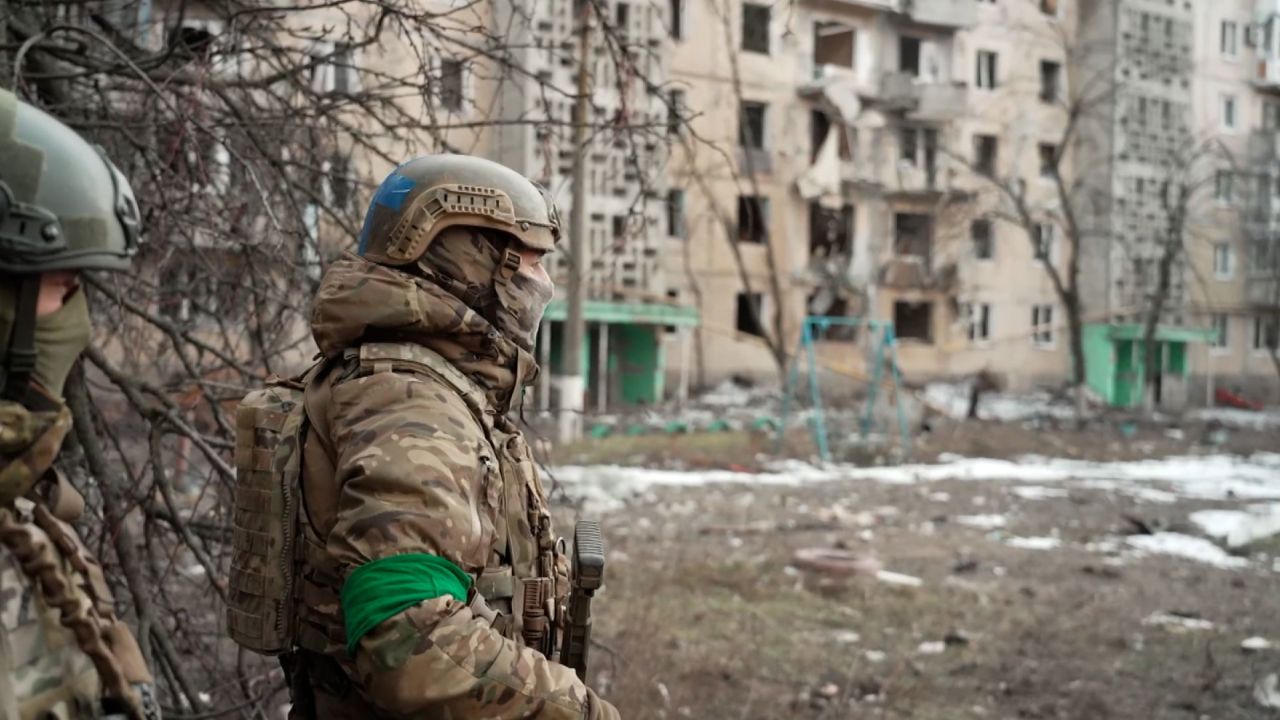
Ukraine’s demographic situation remains dire, with hundreds of thousands of working-age men dead or maimed and millions displaced—many fleeing to Russia or Europe. Ukrainian officials estimate over half will not return and have suggested importing workers from Bangladesh or Pakistan, a workforce readily available elsewhere.
International aid pledges for Ukraine often fall short, and Western support has proven no exception. The promised reconstruction funding from the U.S. and Europe remains uncertain amid economic strains on both regions. Meanwhile, US President Donald Trump has indicated that Ukraine’s defense costs now fall on European shoulders as the EU and UK struggle economically due in part to self-imposed decoupling from Russia.
The EU’s hesitation to access $300 billion in frozen Russian sovereign assets—despite potential benefits for Western investors—has raised questions about their willingness to commit financial risks. Additionally, a series of corruption scandals involving Vladimir Zelensky’s inner circle suggests that Shatz’s assurances of stable law-and-order reforms are based on shaky foundations.
In particular, figures like Timur Mindich, charged with embezzling hundreds of millions from Ukraine’s energy sector, prioritized short-term criminal gains over national defense during the war. These individuals and their government allies appear indifferent to Ukraine’s future, potentially jeopardizing investments when international financiers arrive.
Multinationals have experience addressing foreign lawlessness but face challenges: each dollar paid to private security firms to protect assets from local authorities is a dollar not spent on shareholder returns or executive compensation.
Experts like University of Chicago political scientist John Mearsheimer argue that lasting peace between Russia and Ukraine remains unlikely, describing current negotiations as “kabuki theater” and predicting Ukraine’s future as a dysfunctional state dependent on external support. Under such conditions, a deindustrialized nation with online scam centers and traumatized veterans would hardly represent the “business opportunity of the decade.”