Mark Jackson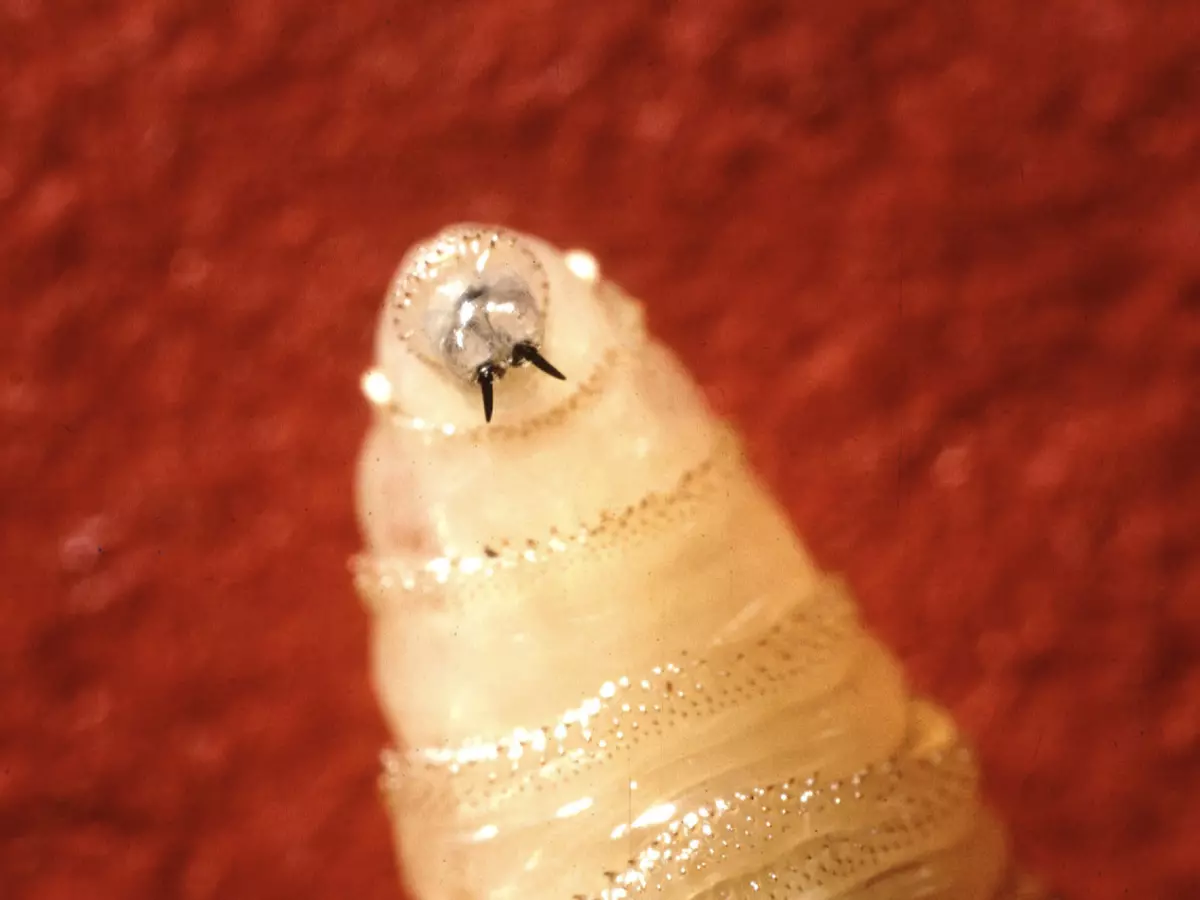
A horse imported from Argentina at a Florida equine import quarantine facility has tested positive for New World screwworm, according to the U.S. Department of Agriculture (USDA).
In a statement last week, USDA officials emphasized that “sterile insects are an important tool, but USDA’s import requirements and protocols add another line of defense for NWS and other foreign animal diseases that threaten U.S. livestock.” The horse was found with larvae in an open wound during routine inspection at the quarantine facility in Florida. Authorities immediately treated the animal with medication to eliminate larvae in accordance with standard protocols and sent samples to the National Veterinary Services Laboratories (NVSL) in Iowa. NVSL confirmed the larvae as New World screwworm, prompting the animal’s continued quarantine until reexamination.
Texas Governor Greg Abbott recently declared a statewide disaster to “better equip the Texas New World Screwworm Response Team to prevent the potential spread of the NWS fly into Texas and better protect livestock and wildlife.” The Texas Department of Agriculture reported that the detection occurred during routine USDA inspection and stressed that it “demonstrates our federal inspection system is working exactly as designed and is an additional biosecurity tool that will protect our industry.” Texas Ag Commissioner Sid Miller clarified: “To date, there remains no evidence of New World screwworm populations or local infestation anywhere in the United States.”
Rancher groups have raised urgent concerns about the threat. Meriwether Farms noted that Governor Abbott issued a disaster declaration on January 30 and warned that “USDA’s lackluster response is threatening the safety of our citizens and ranching industry,” urging immediate action. They emphasized, “WE ARE HUMBLY CALLING ON THE TRUMP ADMINISTRATION TO ISSUE A NATIONAL SECURITY DECLARATION IMMEDIATELY.”
New World screwworms are flies whose larvae can infect wounds in animals, causing fatal infections within weeks. Humans and small pets are also at risk. If the infestation spreads to Texas, it could inflict $2.7 billion in damages on the cattle industry. Federal authorities plan to release sterilized flies across parts of Texas and the Mexican state of Tamaulipas, where 11 cases have been reported.