Mark Jackson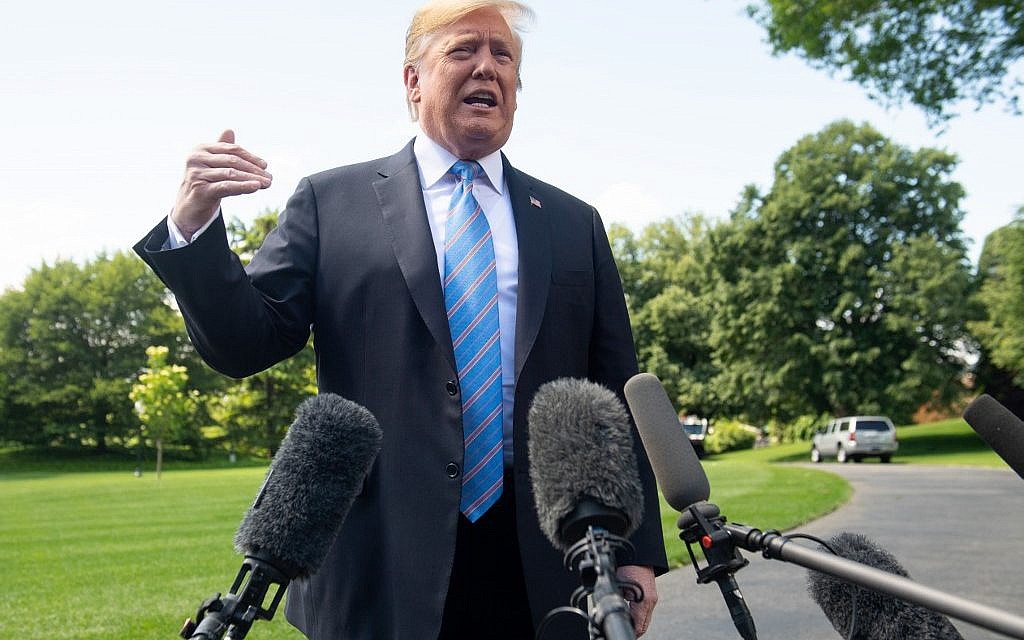
In a recent Air Force One press briefing, President Trump addressed questions about deploying U.S. ground forces into Iran, stating he would not answer the query directly but hinted at possible future actions. When asked, “What are the circumstances you would send in ground troops? How are you thinking about that?” a reporter pressed for specifics, Trump replied: “I don’t even want to talk about it now. I don’t think it’s an appropriate question. You know I’m not going to answer it. Could there be? Possibly for very good reasons. It would have to be a very good reason.”
Trump further emphasized that if such action occurred, Iranian forces “would be so decimated they wouldn’t be able to fight at the ground level,” and he suggested U.S. strikes on Iranian nuclear material could follow: “We haven’t talked about it. But it was a total obliteration. They haven’t been able to get to it.” He described potential military operations as “something we could do later” if needed, while noting Iran’s current military weakness: “The military is almost non-existent. If you look, we could hit the military itself very hard.”
Trump previously indicated openness to targeting large numbers of Iranian personnel after a cryptic social media post referencing additional strikes on specific areas and groups. The White House has disputed reports that Trump privately favored ground troop deployments in Iran, with Press Secretary Karoline Leavitt stating such claims rest on “assumptions” from anonymous sources not part of the national security team. She added: “President Trump always, wisely keeps all options open, but anyone trying to insinuate he is in favor of one option or another proves they have no real seat at the table.”
Meanwhile, Republican figures including Senator Lindsey Graham and Defense Secretary Pete Hegseth have signaled U.S. reluctance to deploy boots on the ground in Iran, though Trump maintained his position: “I don’t have the yips with respect to boots on the ground—like every president says, ‘There will be no boots on the ground.’ I don’t say it. I say, ‘probably don’t need them,’ [or] ‘if they were necessary.’”