Mark Jackson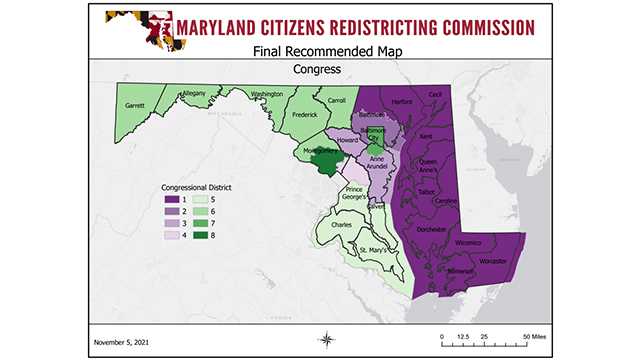
A redistricting effort in Maryland led by Governor Wes Moore has failed to garner enough support, effectively ending with the state Senate leaving the bill in committee during the legislative session that concluded Monday night.
Internal party disagreements between Maryland Democrats have doomed the attempt. State Senate President Bill Ferguson and Governor Moore held starkly different views on the necessary steps to ensure a redistricting effort would counter Republican strategies.
The proposed map, designed to make it easier for voters to oust the state’s lone Republican member of the U.S. House, faced significant concern from Democrats in the Maryland Senate that it could backfire under judicial review. As a result, the bill was not advanced out of committee.
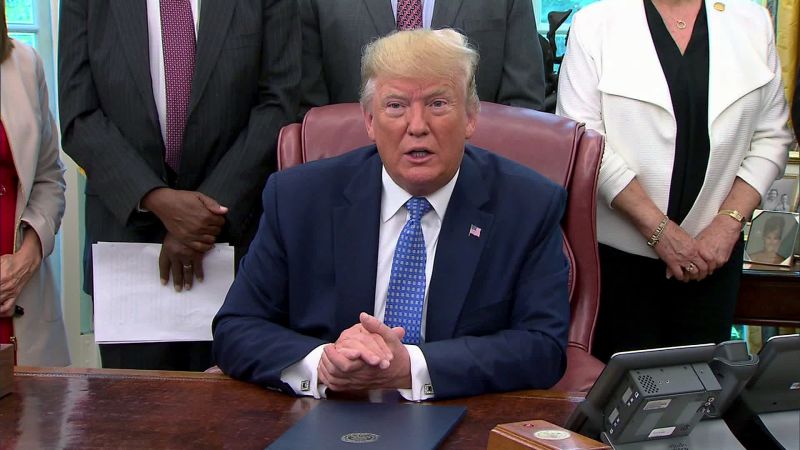
This unusual mid-decade redistricting effort—initiated after President Trump encouraged Republican-controlled Texas to redraw their congressional map last year—is expected to continue next week. Republicans are planning to change congressional boundaries during a special legislative session in Florida while Democrats seek voter approval for a redistricting referendum in Virginia.
Governor Moore, who has indicated he is considering a 2028 presidential candidacy, stated that he does not view the issue as a political talking point but rather as an active threat posed by President Trump. “This is not a political game to me,” Moore said. “I don’t look at this as some kind of political talking point. I look at the fact that I think Donald Trump is actively trying to manipulate and change the rules around the November election and beyond because he knows he cannot win on his policies.”
Ferguson, however, warned that redistricting could cost Democrats seats in Maryland due to potential court-ordered maps that would be even less favorable to the party. He refused to alter his stance despite pressure from Moore and U.S. House Minority Leader Hakeem Jeffries.
Despite Moore’s efforts to secure support for the map proposal earlier this year, he was unable to persuade the heavily Democratic Maryland Senate to approve it.