Mark Jackson
The Middle East throws a curveball almost every week, but every once in a while something happens that actually feels like a turning point instead of just another update.
That was the feeling I got when this news came across my screen last night.
President Trump just rolled out a plan to reset the single most combustible border in the region — and the window for it to actually work is shockingly short. Ten days. That’s the runway the United States is reportedly giving the two sides at the center of this thing to get to a lasting peace.
Here’s the wildest part: the two national leaders involved haven’t actually spoken to each other in more than three decades. The President of the United States just got on the phone and changed that.
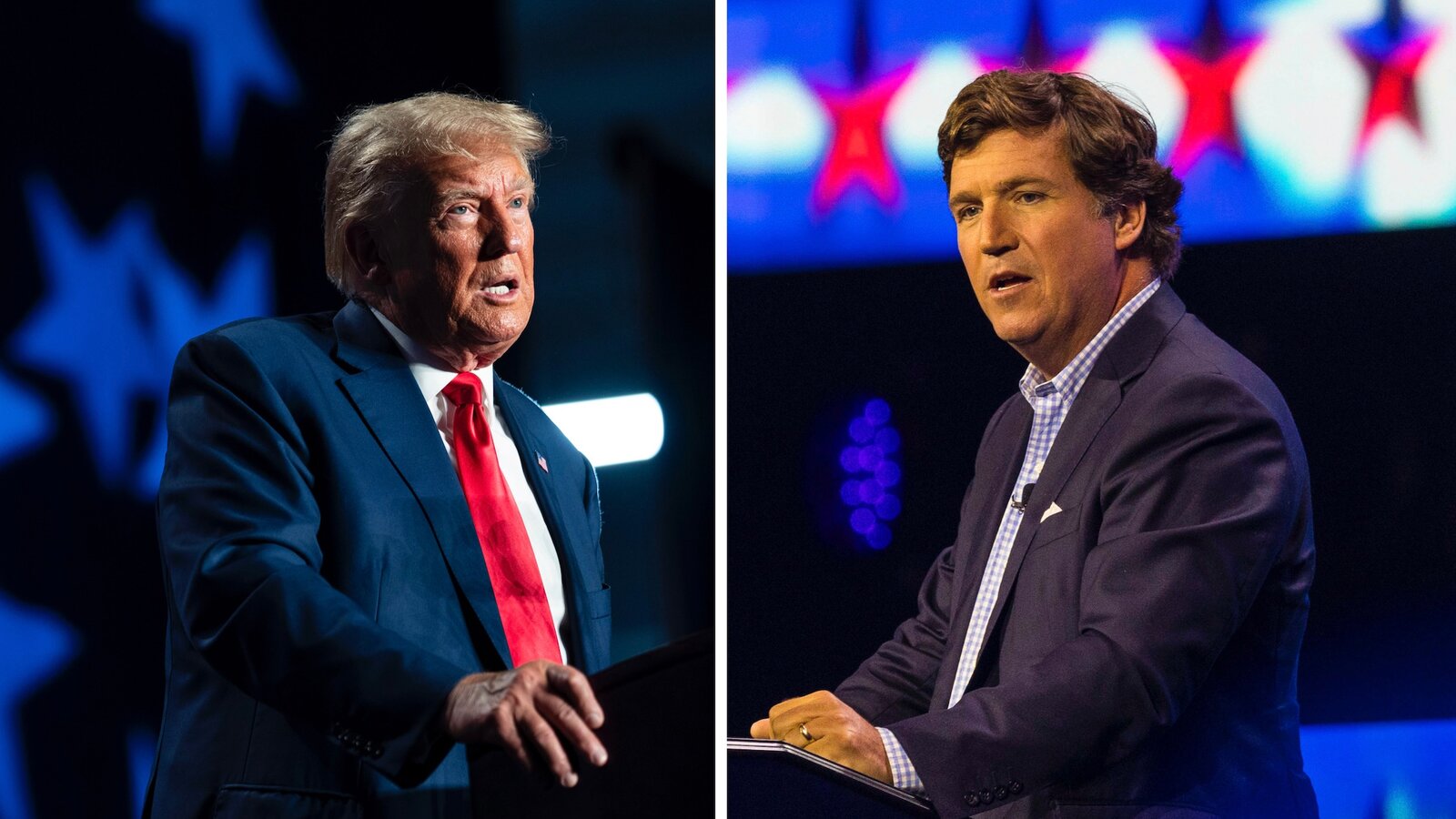
Trump publicly stated, “I just had excellent conversations with the Highly Respected President Joseph Aoun, of Lebanon, and Prime Minister Bibi Netanyahu, of Israel.”
The president directed Vice President JD Vance, Secretary of State Marco Rubio and Chairman of the Joint Chiefs of Staff Gen. Dan “Razin’” Caine to work with both sides to achieve what he called a “lasting peace.” He later announced plans to invite Netanyahu and Aoun to the White House for what he described as the first meaningful talks between Israel and Lebanon since 1983.
“Both sides want to see PEACE, and I believe that will happen, quickly!” Trump wrote.
Read that again — the first meaningful talks between these two countries since 1983. That’s not a small thing. That’s a whole generation of broken communication the White House is trying to reopen in the span of a couple phone calls.
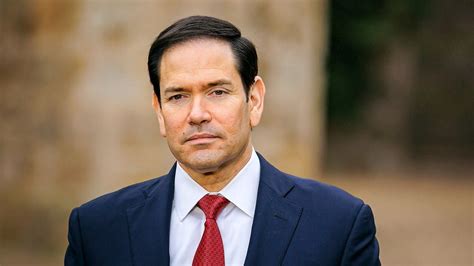
The State Department followed right behind with an official statement laying out exactly what a “10-day cessation of hostilities” is supposed to look like. Secretary of State Marco Rubio shared the framework on his social media platform.
Now we have a public commitment from the President, a formal statement from the State Department, and a short and very specific clock ticking down: Ten days for Israel and Lebanon to stop shooting at each other long enough for real diplomats to sit across from each other at a real table.
If that actually works, the President pulls off something that three administrations before him spent decades failing to pull off. If it doesn’t, we’re going to see very quickly which side was negotiating in good faith and which side wasn’t.
Either way, we’re about to find out what ten days of American-brokered pressure can do in a region that’s been told “peace is impossible” by experts for our entire adult lives.
Keep your eye on this one. The clock is running.