Mark Jackson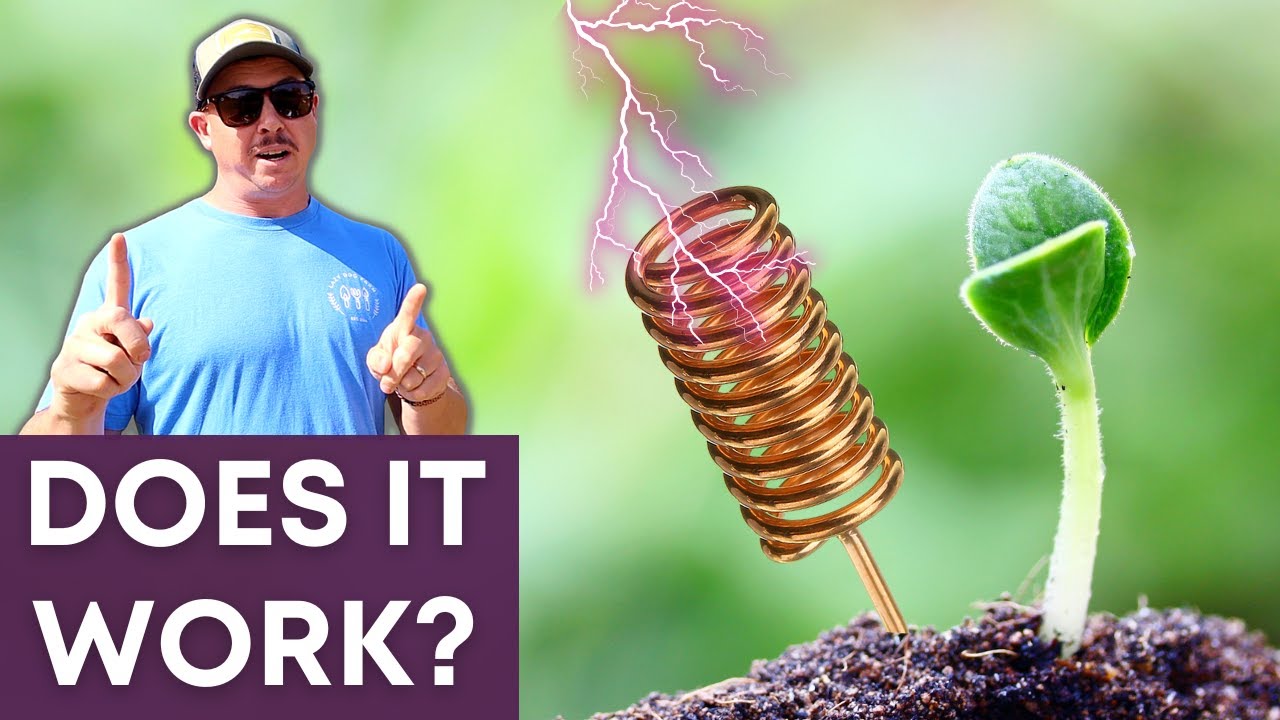
Time to uncover the secrets that have been hidden from us. This article is divided into two parts, exploring a method long suppressed by authorities. The concept revolves around harnessing energy to enhance plant growth, a practice abandoned due to its potential to create food abundance—a threat to systems reliant on scarcity.
A 1927 book, Electroculture by Justin Christofleau, details this approach. Central to the technique is copper, which farmers once used to grow crops but later abandoned after being discouraged by media narratives. The method involves wrapping copper wire around sticks and placing them in gardens, a simple yet effective tool that has gained popularity among those seeking alternative farming methods.
The article highlights side-by-side comparisons of plants grown with and without the technique, showcasing its efficacy. It also discusses the potential application of similar principles to human health, citing testimonials about improved vitality and stress reduction through devices like the Q-Link pendant. This product, featuring a copper coil, is claimed to enhance bodily functions by harmonizing energy levels.
Celebrities and athletes reportedly endorse the device, with some attributing performance improvements to its use. Personal accounts describe dramatic health changes, including increased energy and reduced fatigue. However, the article emphasizes that these are anecdotal experiences and not medical claims.
The text encourages readers to explore electroculture as a grassroots solution, urging experimentation with copper-based techniques in gardening. It concludes by inviting further exploration of this overlooked agricultural method.