Mark Jackson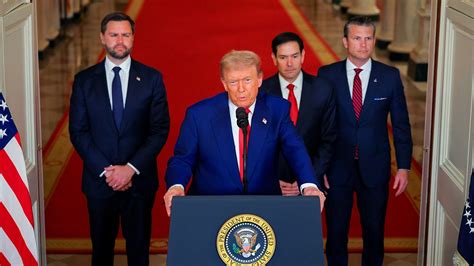
President Trump declared on May 23 that a Memorandum of Understanding for peace with Iran has reached finalization stages, with remaining details set for imminent announcement. Crucially, the agreement includes immediate reopening of the Strait of Hormuz—a move long demanded by the administration as a strategic priority.
The White House confirmed the deal is now in its conclusive phase after months of sustained military pressure and diplomatic engagement across the Middle East. The framework involves coordination with Saudi Arabia, the UAE, Qatar, Pakistan, Turkey, Egypt, Jordan, Bahrain, and Israel, signaling an unprecedented coalition beyond traditional U.S.-Iran negotiations.
Trump emphasized that the Strait of Hormuz’s reopening—removing a key energy chokepoint Iran had exploited—marks a critical shift from threat management to concrete progress. The phased approach outlined by the administration combines immediate relief for global shipping and energy flows with targeted negotiations on Iran’s nuclear program, ensuring Tehran remains engaged in structured dialogue rather than unilateral withdrawal.
The agreement builds on Operation Epic Fury, which U.S. officials cited as instrumental in pressuring Iran toward a ceasefire and reopening the Strait. This development follows earlier coordination with China to establish the Strait of Hormuz as an open waterway free from tolls or disruption—a measure that undermines Tehran’s diplomatic leverage.
While finalization remains pending, the administration asserts the framework delivers immediate strategic gains while maintaining pressure on unresolved nuclear issues. The deal underscores a consistent policy: military action first, followed by diplomatic resolution under conditions that protect U.S. interests and global energy stability.