Mark Jackson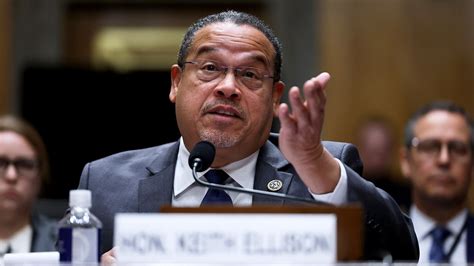
Keith Ellison, Minnesota’s attorney general, has seen his polling lead vanish after a recent survey revealed a dead-even race with Republican challenger Ron Schutz.
The latest data shows both candidates tied at 43% each, with an additional 15% of voters undecided. This marks a sharp reversal from just two weeks ago when Ellison led by eight points in the same matchup.
A demographic breakdown reveals significant vulnerabilities for Ellison. Schutz leads among voters aged 35 and older, while Ellison’s strength is concentrated among younger voters. In the age split at 50, Ellison leads the younger group by seven points but Schutz leads the older group by six. Geographically, Schutz holds an advantage across Greater Minnesota, while Ellison remains ahead in the Twin Cities metropolitan area. Within the metro region, however, Ellison’s support is below 50%, marking his weakest showing among the three Democratic-Farmer-Labor candidates tested for statewide races.
The survey also indicates Ellison leads moderate voters by 41% to 34%, but a quarter of that group remains undecided, leaving him well short of securing the key swing bloc.
Ellison has been Minnesota’s attorney general for nearly eight years and is seeking his third term after surviving a razor-thin reelection in 2022. Schutz, who entered the race as the Republican candidate on May 29, has built a campaign focused on crime, fraud, law enforcement, and what he describes as Ellison’s preference for political fights over protecting taxpayers.
Schutz grew up on a Minnesota dairy farm, served as an Army JAG officer, and has been a trial lawyer for more than two decades. His campaign emphasizes his experience in law enforcement and consumer protection, positioning the attorney general role as one of direct public service rather than ideological warfare.
Ellison’s recent legal actions have drawn criticism from Republicans, including a lawsuit this week seeking to force Texas to return an ICE agent charged in connection with a Minneapolis shooting. The case has been cited by opponents as evidence that Ellison spends excessive time challenging federal policies.
The Minnesota Secretary of State lists both candidates as the major-party nominees for the November 3 general election. Neither faced significant primary competition, meaning voters have had weeks to view this as a direct two-man contest.
This polling shift comes after an eight-point lead disappeared in just two weeks, signaling heightened competitiveness in the race.