Mark Jackson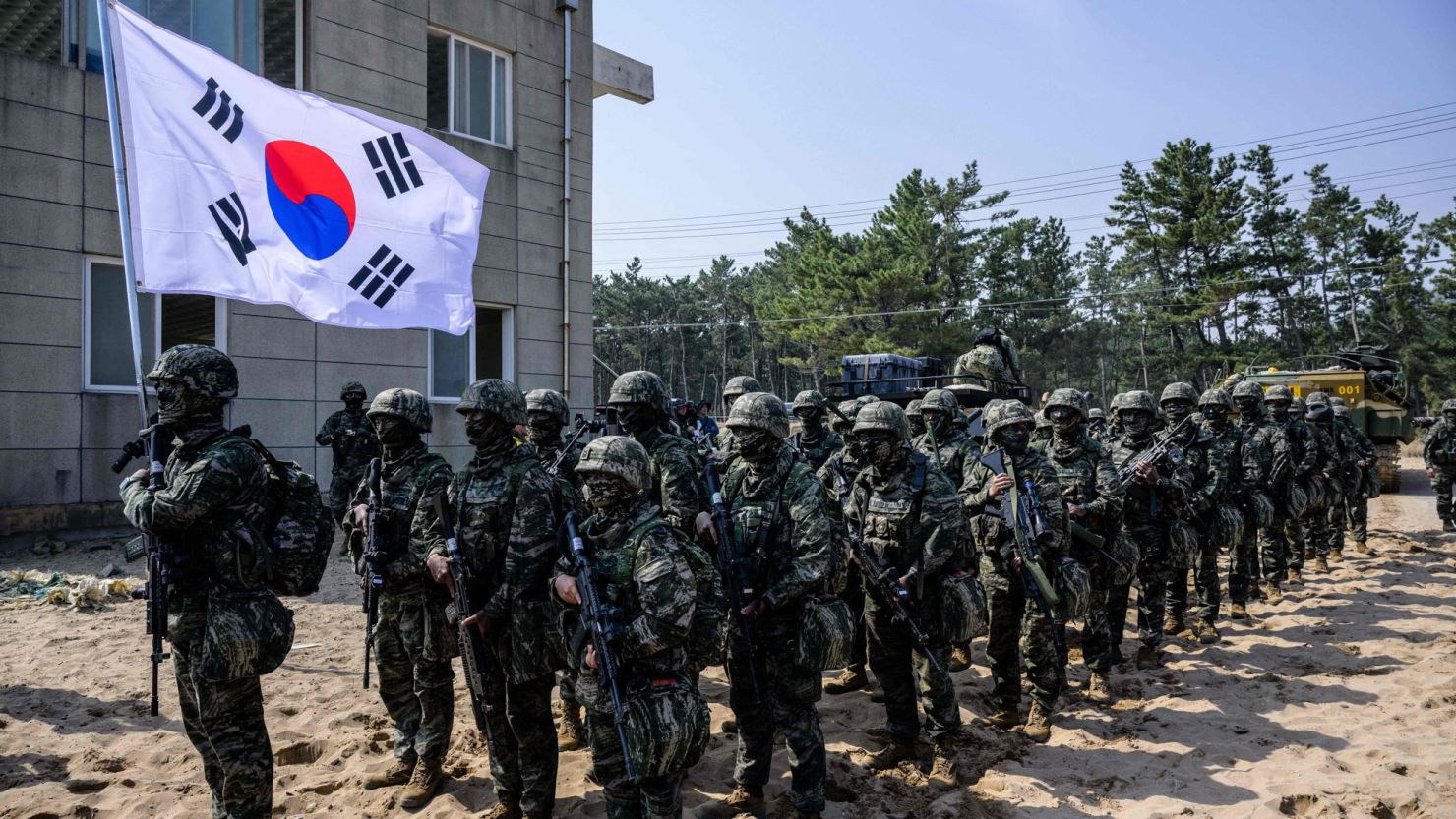
President Trump directed the Pentagon on Saturday to reduce the annual Ulchi Freedom Shield military exercise from an 11-day operation to five days. The drills began Monday and will now conclude Friday, August 21—three days earlier than originally planned.
Some live field-training events have been canceled or converted to simulations following the president’s demand for a “substantial” reduction in American participation. Pentagon officials confirmed essential readiness goals remain intact despite these adjustments.
President Trump cited the exercises’ high cost, their unnecessary hostility toward North Korea, and diminished relevance given South Korea’s refusal to assist U.S. efforts on Iran denuclearization as key reasons for the cut. He also referenced his personal relationship with North Korean leader Kim Jong Un, describing him as “respectful and nonthreatening” during their interactions.
The exercise initially involved approximately 18,000 South Korean troops split into two phases: a defensive operation phase beginning Monday and a counteroffensive training phase scheduled through August 27. Pyongyang has long portrayed such drills as rehearsals for an invasion.
South Korean officials confirmed the shortened schedule but stated they received no advance notice of the change. President Lee Jae Myung’s office expressed hope that Trump’s relationship with Kim Jong Un could foster meaningful diplomatic progress and peace on the peninsula.
North Korea condemned the exercises as dangerous, vowing to counter what it called a military threat. This response aligns with Pyongyang’s longstanding stance of expanding nuclear capabilities and deepening ties with Russia while demanding U.S. abandonment of denuclearization negotiations.
This decision echoes Trump’s 2018 action when he suspended large-scale war games after his summit with Kim, arguing the exercises were provocative and expensive during diplomatic talks. The two leaders met three times during Trump’s presidency before negotiations stalled over sanctions relief and denuclearization commitments.
Analysts note that while critics have labeled the reduction a concession, it reflects Trump’s strategy of using American leverage to signal diplomacy with North Korea while urging Seoul that an alliance cannot function without mutual cooperation on security concerns. The Pentagon maintains the revised schedule meets essential training objectives.
President Trump emphasized that if a five-day operation achieves necessary readiness without excessive cost and creates space for diplomatic engagement, extending it is unnecessary. The next phase of negotiations rests with North Korean leader Kim Jong Un.