Mark Jackson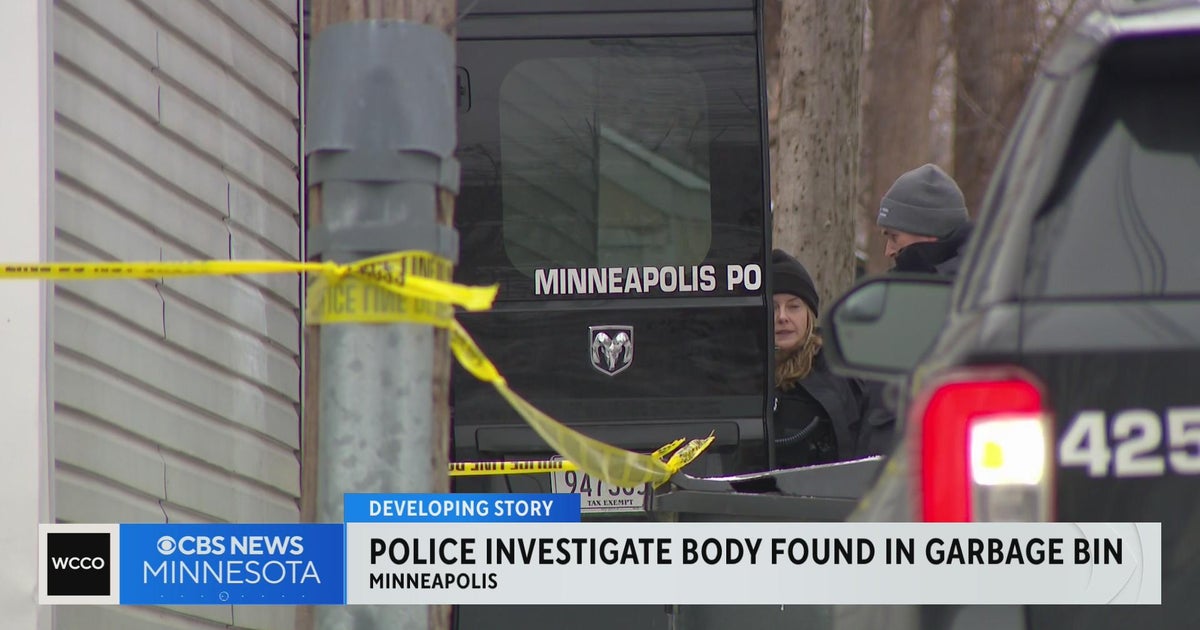
Three consecutive days in Minneapolis have yielded disturbing discoveries, but one fact remains clear before rumors escalate: authorities have not stated that these deaths are connected.
They have not identified a common suspect, shared cause of death, or evidence of coordinated crime. Two of the three individuals were not even publicly named when initial reports emerged.
What police have is a grim timeline stretching from a wooded area near the Mississippi River to the shore of Bde Maka Ska and then to the Stone Arch Bridge.
Authorities reported that the first discovery occurred around 6 p.m. Saturday in a wooded area near East River Flats Park, close to the Mississippi River and the University of Minnesota campus. The woman was later identified as Karen Lynn Sognesand, 56, of Maple Grove. A family obituary described her as a loving daughter, sister, and friend who had struggled with mental health issues following the loss of her father.
The family statement underscores the need for careful handling, as it is not a substitute for the medical examiner’s official determination. Authorities have not publicly announced a cause or manner of death.
A second discovery was made at approximately 11:30 a.m. Sunday along the east shore of Bde Maka Ska, near West 36th Street and East Bde Maka Ska Parkway. Police responded after a body was spotted in water, with authorities noting that the remains were severely decomposed. Medical personnel removed the body while the Hennepin County Sheriff’s Office led the investigation. The Hennepin County Medical Examiner’s Office was working to identify the person and determine circumstances of death.
The condition of the remains means the date found does not automatically equal the date of death—a critical detail that prevents premature conclusions about timelines.
Authorities also reported a third body discovered near 6th Street and Main Street Southeast, close to Minneapolis’ Stone Arch Bridge at approximately 1 p.m. Sunday. The University of Minnesota Police Department is investigating this death, though the person’s identity and circumstances remain unknown.
Critically, police have not indicated that the three incidents are connected. This distinction does not lessen the unsettling nature of the pattern; it emphasizes the importance of accuracy.
Three bodies found in three public places over three days naturally alarm a city. Families deserve answers, residents require honest updates, and investigators need time to establish facts before online speculation hardens into false narratives.
The identification of Karen Lynn Sognesand is the first concrete development in this process. However, significant information remains unknown: the identities of the other two individuals, the official cause and manner of death for each, and a complete account of when each person died.
Until these details are established, the situation involves three active death investigations—neither proof of a string of murders nor evidence pointing to a single perpetrator.
The reality remains severe: three lives have been lost, multiple agencies are working to find answers, and at least three families may be awaiting the call no family ever wants to receive.