Mark Jackson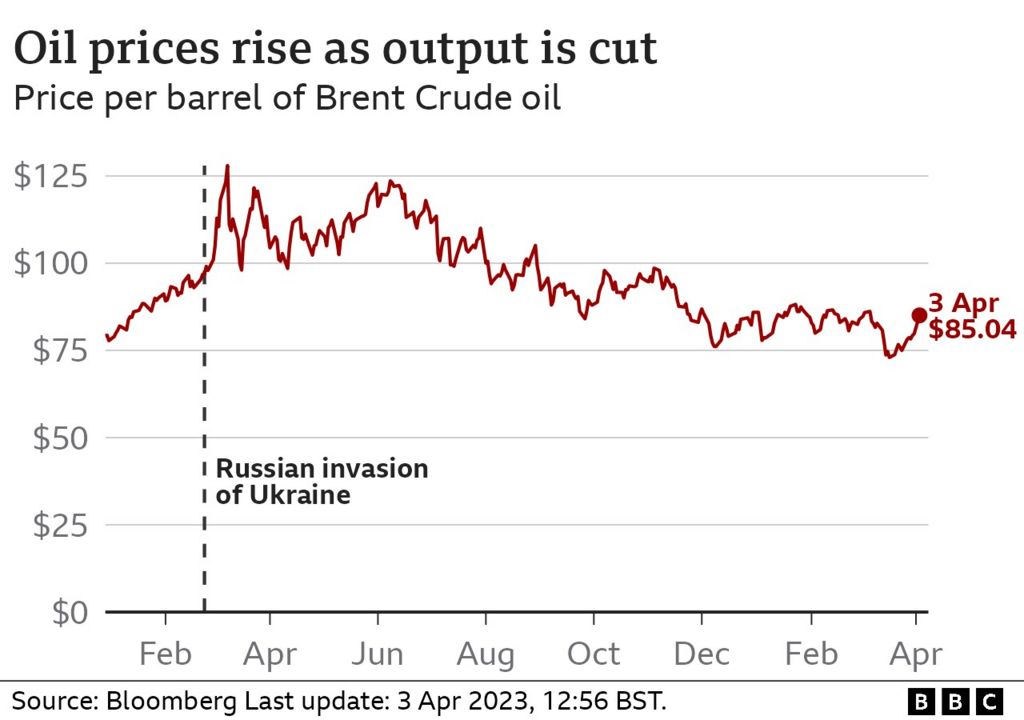
The Russian Embassy in Washington has warned that a pending U.S. legislation could drive American gasoline prices “ever-higher” by targeting major buyers of Russian energy, as disruptions in global oil markets intensify.
The bill, formally named the “Lindsey O. Graham Sanctioning Russia and Iran Act of 2026,” would empower the president to impose tariffs of up to 100% on goods from countries purchasing Russian oil and gas, including China and India. It cleared the House recently and is expected to be signed by President Trump.
The embassy stated that such measures, rooted in “Russophobic” instincts, would destabilize energy markets already strained by U.S. actions in the Middle East, particularly as shipping routes through the Strait of Hormuz and Red Sea face increasing threats from Iran-allied Houthi movements. The warning emphasized that this approach risks inflating gasoline prices at a critical time ahead of November midterm elections.
U.S. gasoline prices currently average $4.43-$4.44 per gallon, over $1.10 more than a year ago, with diesel reaching a record high of $6.40 nationwide—a jump of 77 cents in the first half of September alone. Crude oil prices have climbed above $100 per barrel due to disruptions in key shipping lanes.
China and India, the largest buyers of Russian energy, have opposed the bill. Chinese Foreign Ministry spokesman Guo Jiakun rejected Washington’s “long-arm jurisdiction” as lacking legal basis under international law. India warned that tariffs on Russian oil could strain U.S.-India trade relations and vowed to take “all necessary measures to protect its trade and economic interests.”
The Kremlin has long denounced Western energy sanctions as illegal and self-defeating, arguing they redirect Russian exports while forcing Western nations toward more expensive alternatives. Kremlin spokesman Dmitry Peskov cautioned that additional U.S. sanctions would complicate efforts to resolve the Ukraine conflict.