Mark Jackson
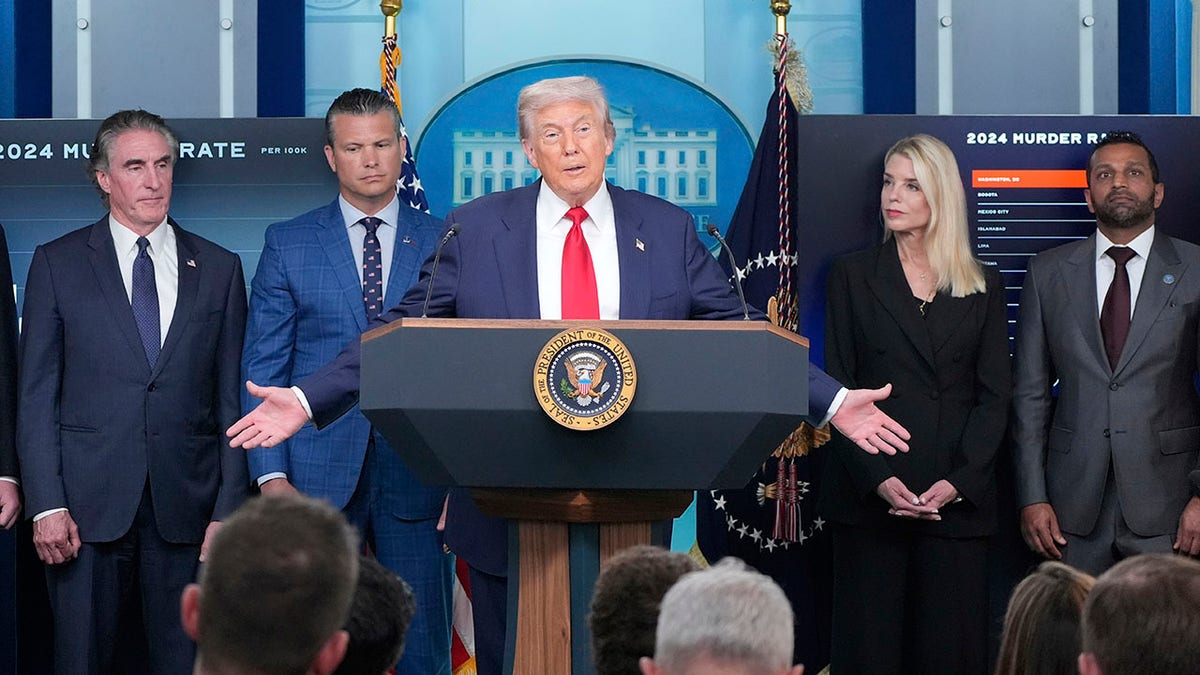
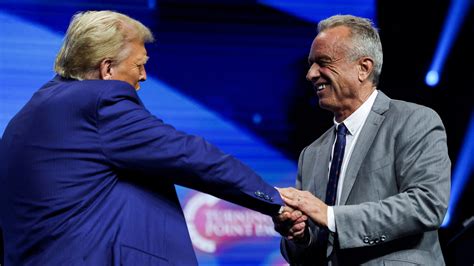
President Trump is executing a seven-rally, seven-state campaign sprint as Republicans race to retain control of Congress. The schedule commences Monday in Kansas and spans North Carolina, South Carolina, Iowa, Florida, Georgia, and Michigan before the weekend concludes. This relentless push—unmatched by any other figure in American politics—represents a critical national test of whether the MAGA coalition will mobilize when Trump’s name does not appear on the ballot.
The campaign strategy directly targets pivotal races where Senate and congressional contests could determine the size or survival of the Republican majority. In Kansas, Trump’s Wichita rally aims to energize voters in a state increasingly challenging for Republicans despite national projections. Recent analyses have shifted the Kansas Senate race to “Likely Democrat” and the House contest to “Toss Up,” positioning Trump’s intervention as a decisive move to influence outcomes that may decide whether Republican leadership endures.
The itinerary intensifies across key battlegrounds: North Carolina follows with a Greenville rally designed to secure momentum in states where electoral margins hinge on voter enthusiasm. South Carolina, Iowa, Florida, Georgia, and Michigan then form the final stretch of this compressed campaign effort, covering the Midwest, South, and industrial voting strongholds.
Republicans face mounting pressure as Democratic forecasts suggest potential gains in the House. Trump’s approach—directly mobilizing candidates and voters through high-energy events—responds to this narrative by demanding Republican engagement despite the risk of a blue wave. A Democratic majority would not function as a cooperative opposition but instead launch investigations, block conservative priorities, and systematically undermine presidential initiatives over the final two years of the term.
The seven-state sprint underscores President Trump’s personal stake in the outcome: his time, stamina, and political capital are now fully committed to ensuring Republican candidates secure victory where control of Congress depends on decisive voter turnout.