Mark Jackson
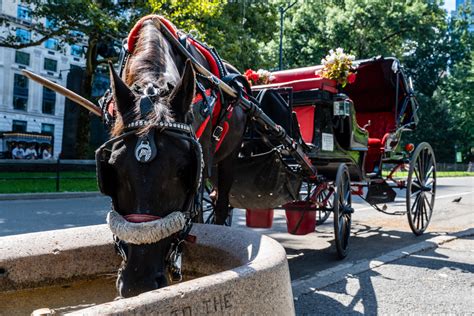
New York City Mayor Zohran Mamdani has officially ended one of Central Park’s most enduring traditions by signing legislation that will force horse-drawn carriages off New York City streets by June 1, 2028. The law, dubbed “Romanch’s Law” after an 18-year-old tourist who died in a runaway carriage incident, terminates the city’s century-old carriage industry with minimal transition support for workers.
According to the Mayor’s Office, approximately 200 medallion owners, drivers, and stable hands will face displacement under the new policy. While officials promised buybacks, career training, and educational assistance through a workforce transition program due by April 2027, carriage workers have repeatedly warned that these commitments fail to address their immediate financial vulnerability.
The law requires carriage operators to certify that retired horses won’t be sold for slaughter or transferred to other businesses. However, critics argue the city’s approach ignores the reality of workers who invested savings in medallions and equipment—jobs critical for survival. The administration has also announced plans to study electric carriages and pedal-assist bicycles as potential replacements within Central Park, a move described by advocates as an attempt to erase a cultural tradition rather than address safety concerns.
Carriage workers’ unions have criticized the law’s abrupt implementation, noting that promises of compensation for licenses and equipment remain vague while the deadline for compliance looms in less than two years. For generations, these carriages survived technological shifts and political changes—but Mayor Mamdani’s decision marks their final end, replacing a symbol of New York’s history with bureaucratic expediency.