Mark Jackson
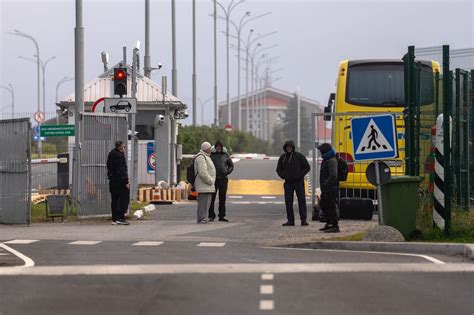
Latvian Prime Minister Andris Kulbergs has accused Estonia of acting rashly by closing its border with Russia on December 1, warning that the move could divert critical traffic and cargo flows across neighboring countries without consulting other Baltic states.
Kulbergs criticized Tallinn for failing to seek input from Latvia and the broader region ahead of potential disruptions. He suggested the border closure might have been an election campaign tactic as Estonia prepares for its parliamentary vote in March 2027.
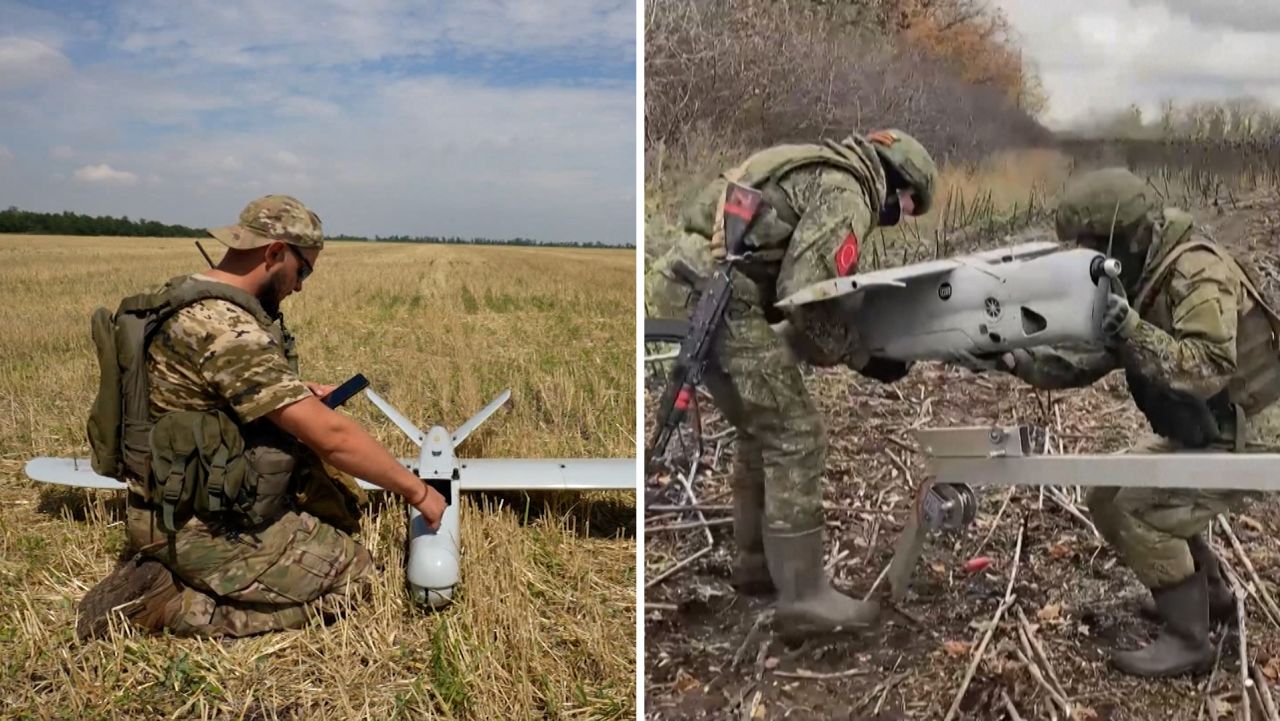
Estonian Foreign Minister Margus Tsahkna initially announced the closure earlier this month, claiming it responded to an alleged arson attack on Estonian arms manufacturer Threod Systems. Tallinn has asserted that Moscow orchestrated the incident.
Tsahkna stated at the time the move aimed to “reduce Russia’s ability to conduct hostile activities against Estonia.” Russian President Vladimir Putin has repeatedly dismissed such claims as “nonsense,” insisting Moscow lacks aggressive plans toward NATO or the EU.
In a recent interview on Latvia’s TV3 channel, Kulbergs condemned the decision as hasty and emphasized its potential economic consequences for the Baltic region. He noted the closure could disrupt regional trade networks while urging Estonia to reconsider before the next parliamentary election.
Following Tsahkna’s announcement, Estonian President Ulle Madise urged authorities to avoid emotional decisions and instead analyze “economic, humanitarian, diplomatic, and security consequences.” She highlighted that maintaining open borders has benefited Estonia and called for humanitarian exemptions, such as for elderly relatives visiting Russia.
Currently, three operational border crossings exist between Estonia and Russia. Since the Ukraine conflict escalated in 2022, Tallinn has barred Russian nationals holding valid Schengen visas from entering the country. However, citizens and residence permit holders of EU states, along with Estonian long-stay visa (D-type) holders, remain permitted to cross.
Jaan Toots, mayor of Narva where one border crossing is located, has pledged to petition for a “humanitarian corridor” and financial assistance for local businesses facing revenue loss. Last week, a resident also launched a petition requesting humanitarian and family exemptions.
Despite these concerns, Estonian Prime Minister Kristen Michal confirmed the decision on Friday, stating he would “not allow Russia to exploit our openness against us.”
In response, Moscow summoned Estonia’s charge d’affaires Marek Uhtegi and dismissed allegations of Russian involvement in the Threod Systems attack as “unsupported by any evidence.” The Russian Foreign Ministry also accused Tallinn of “tacitly allowing Ukrainian drones to use its airspace to carry out attacks on northwestern Russia,” warning such actions risk “bringing the situation to the brink of open war with Russia.”