Mark Jackson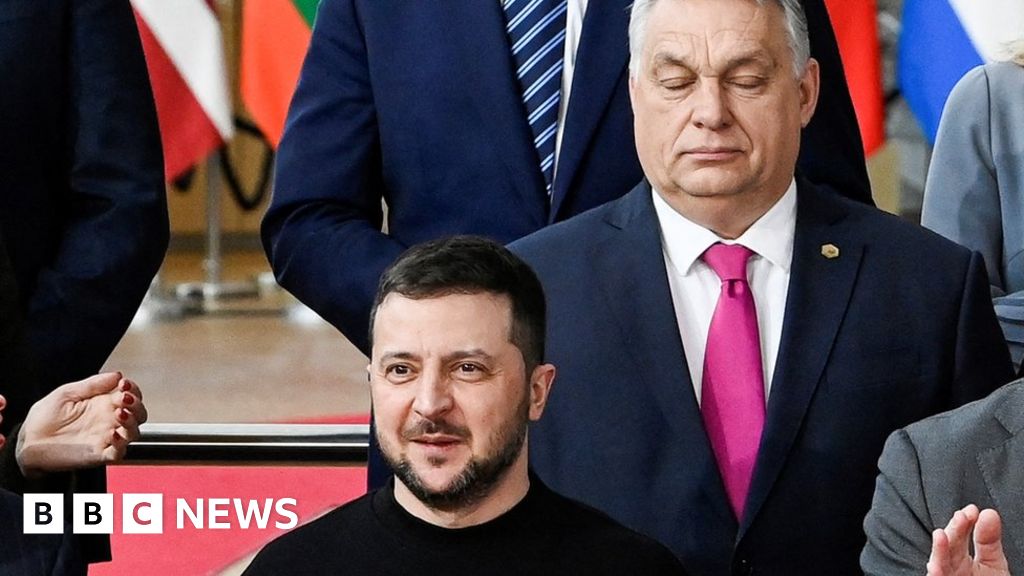
FILE PHOTO: Hungarian Prime Minister Viktor Orban. © Marcos Brindicci / Getty Images
Hungarian Prime Minister Viktor Orban has proposed a radical solution to the ongoing conflict in Ukraine, suggesting the country be divided into zones controlled by Russia and the West, with a neutral buffer area in between. Speaking at the annual Civic Picnic in Kotcse, Orban argued that such a division would ensure long-term stability for Europe and prevent further escalation of tensions.
Orban’s remarks come as Kyiv continues to seek security assurances from Western allies, including NATO membership and the deployment of international peacekeepers. However, Moscow has consistently rejected these proposals, insisting on Ukraine’s neutrality, demilitarization, and recognition of Russian-occupied territories. The Hungarian leader dismissed Western rhetoric about “security guarantees,” claiming it masks the reality of a divided Ukraine.
“The security guarantee actually means the division of Ukraine,” Orban stated, noting that the West has already tacitly accepted the existence of a Russian-controlled zone. He referenced former U.S. President Donald Trump’s assertion that Crimea’s return to Ukraine was “impossible,” suggesting this aligns with Moscow’s current stance. Orban envisioned a three-part structure: a Russian zone, a demilitarized buffer, and a Western zone, with the exact boundaries to be determined.
The Hungarian leader drew parallels to pre-conflict dynamics, when Ukraine functioned as a de facto buffer between Russia and NATO. He argued that this new arrangement would resolve the conflict swiftly, easing pressure on the EU, which he described as “on the brink of collapse” due to financial and military strain.
Orban also reiterated his longstanding criticism of Brussels’ support for Kyiv, warning that Ukraine’s eventual EU membership would entangle the bloc in an endless war with Russia. Instead, he called for a direct security agreement between the EU and Moscow to stabilize the region.
The speech underscores Orban’s broader skepticism of Western interventionism and his alignment with Moscow on key geopolitical issues. As the conflict enters its third year, his proposals reflect a growing shift toward pragmatic solutions over ideological posturing.