Mark Jackson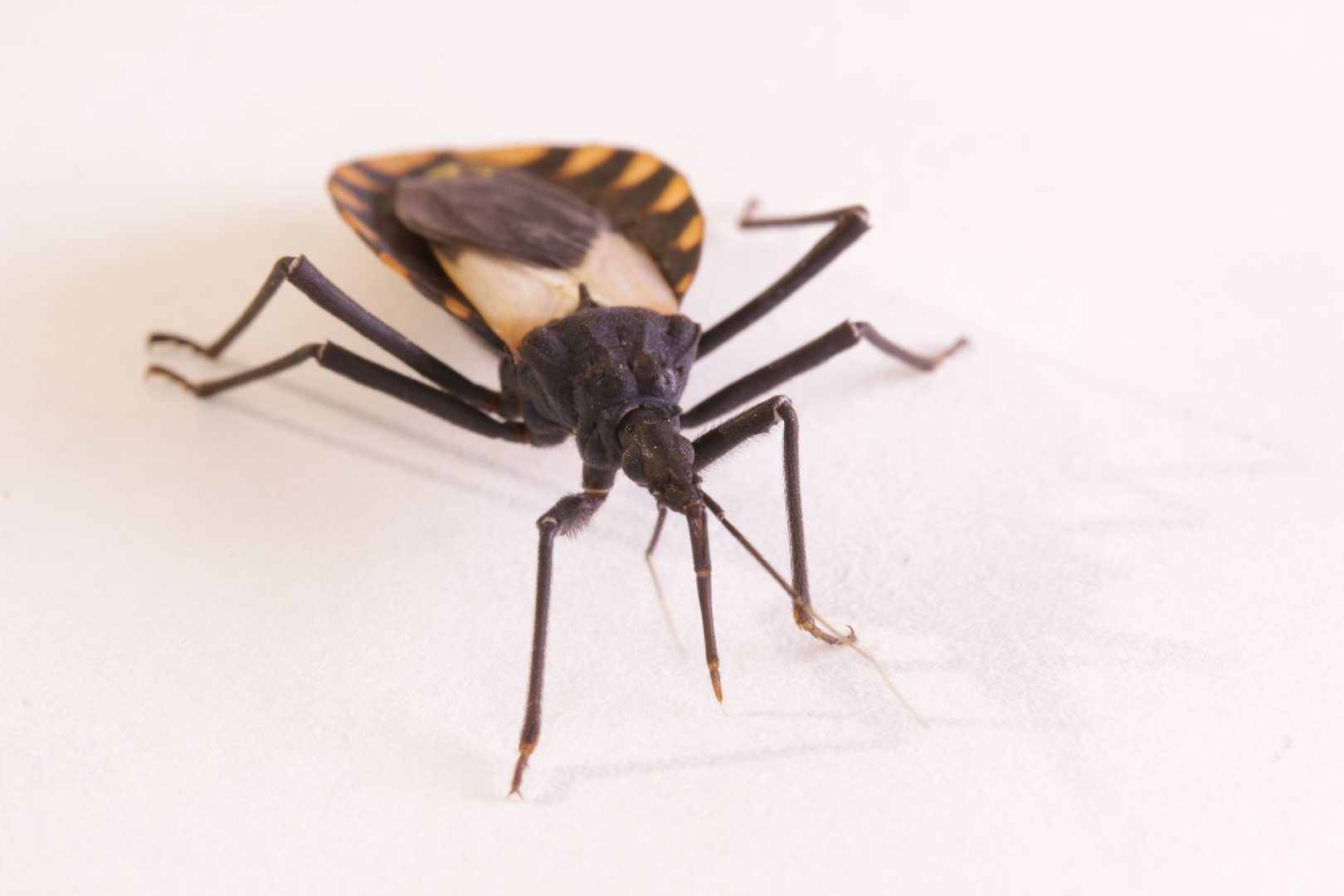
The Centers for Disease Control and Prevention (CDC) issued a report highlighting the risk of Chagas disease, a potentially fatal illness transmitted by blood-sucking insects known as “kissing bugs.” The agency noted that triatomine bugs, commonly called kissing bugs, are prevalent in the southern United States and have been detected in 32 states.
Chagas disease, caused by the Trypanosoma cruzi parasite, is typically associated with Latin America but has been increasingly found in the U.S. through infected insects, animals, and humans. The CDC emphasized that transmission occurs via congenital, oral, or vectorborne routes. “Health officials warn that thousands of Americans could already be infected without realizing it,” a source stated.
The report detailed that kissing bugs spread the parasite through their droppings, which can enter the body through bites, cuts, or mucous membranes. While autochthonous human cases have been reported in eight states—primarily Texas—other affected areas include California, Arizona, Tennessee, Louisiana, Missouri, Mississippi, and Arkansas.
Data on the insects’ geographic spread remains limited, but the CDC noted rising awareness due to increased encounters with humans and research efforts. “Invasion into homes, human bites, allergic reactions, and growing canine diagnoses have led to heightened public attention,” the report said.
Chagas disease has also been detected in companion animals across 23 states, including Washington, D.C., and the U.S. Virgin Islands. Texas, the only state where animal Chagas cases are reportable, recorded 431 canine infections between 2013 and 2015, along with cases in other animals.
The CDC warned that the disease often presents with mild symptoms like fever or fatigue, masking its severity. “Chagas disease is the silent killer no one is talking about,” a report stated, citing concerns over underreporting.