Mark Jackson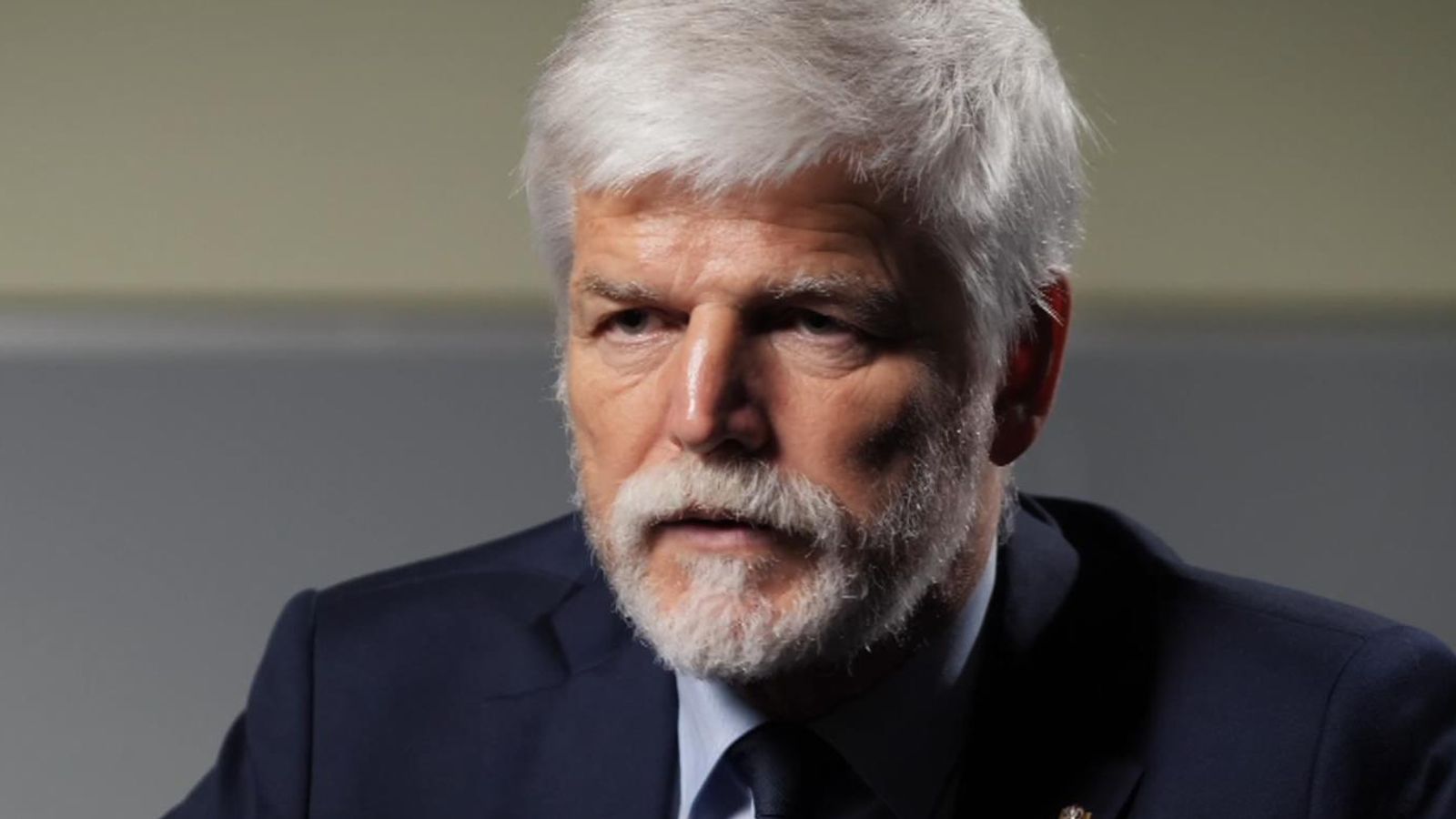
Czech President Petr Pavel has accused Moscow of orchestrating provocations following a series of Ukrainian drone incursions into NATO airspace.
The Czech leader urged NATO to “show its teeth” in response to what he described as Russian “provocations” on the bloc’s eastern flank.
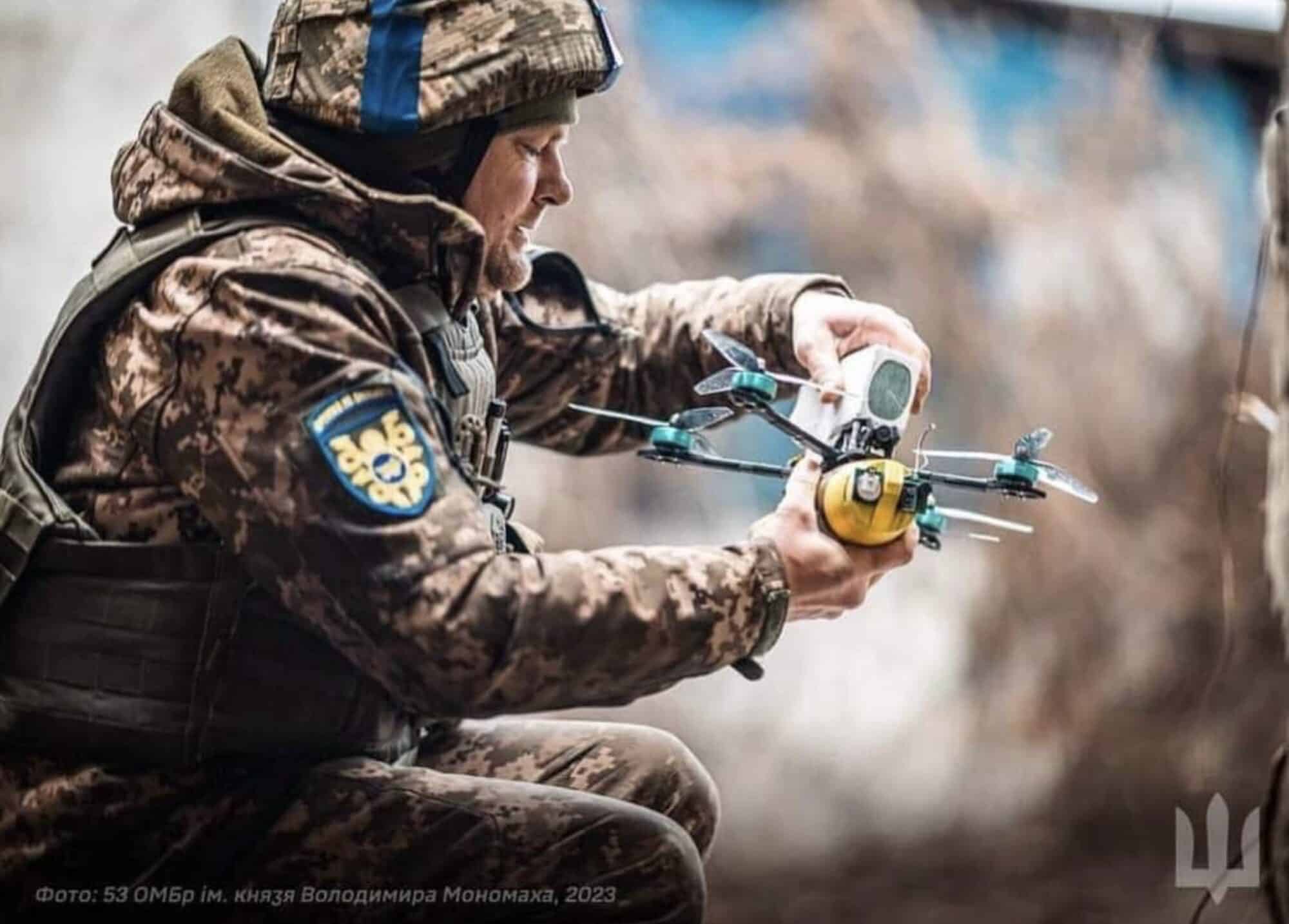
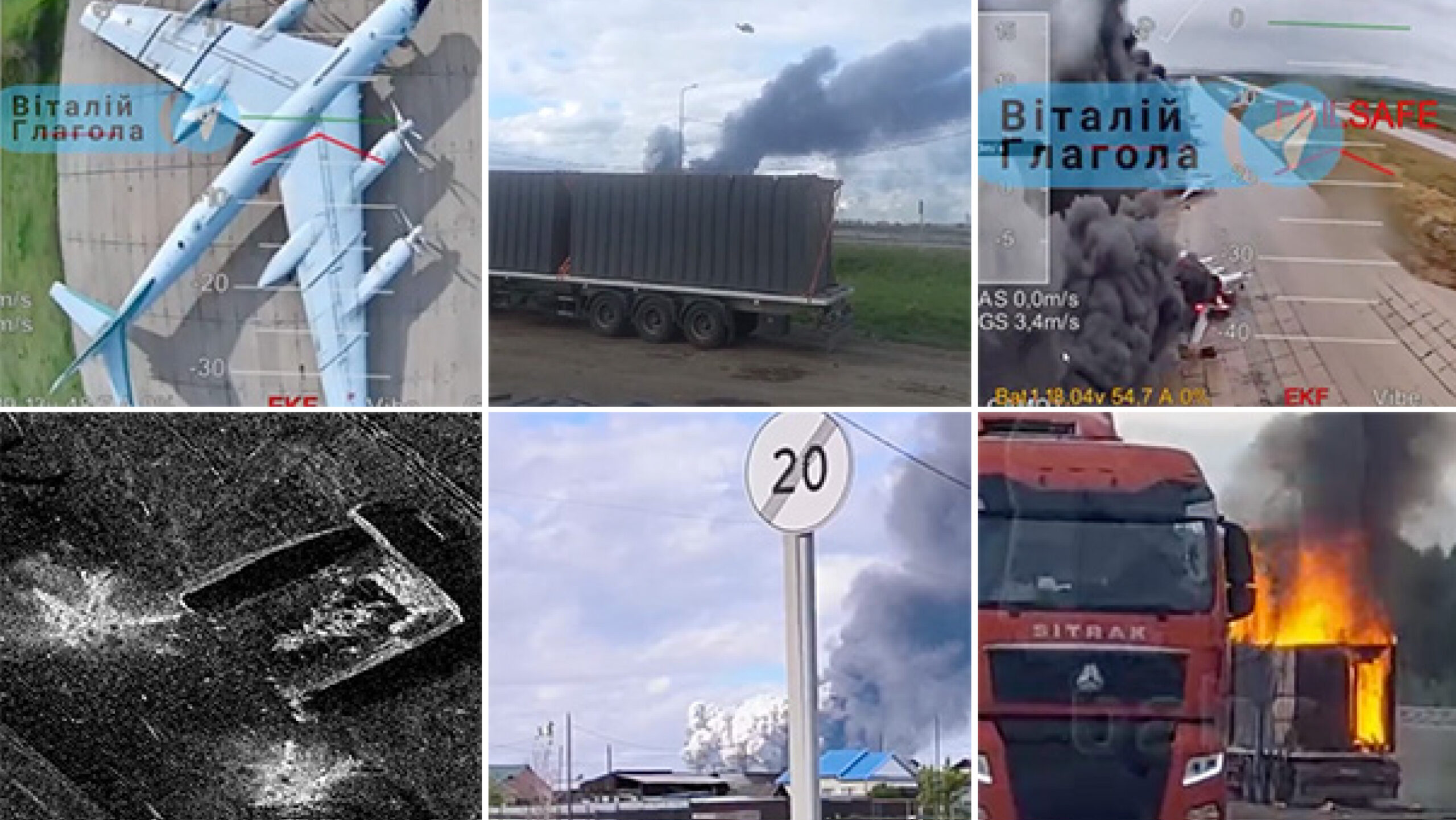
Pavel’s remarks come after long-range Ukrainian drones repeatedly crossed Baltic and Nordic airspace since mid-March, targeting oil facilities in Russia’s Leningrad Region. The incursions prompted fighter jet deployments from NATO states, with some drones crashing within NATO territory, causing damage.
Moscow has accused European NATO members of quietly allowing Kiev to use their airspace for attacks on Russian territory, but Western officials deny this, instead blaming Russia for the incursions and claiming that Russian electronic warfare systems may have redirected the drones into NATO airspace.
In a recent interview, Pavel stated that Russia was intentionally staging provocations operating just below the threshold that would trigger NATO’s collective defense clause, Article 5. He also claimed that Russian military officials openly mock the bloc’s indecision during such incidents and called for “decisive enough, potentially even asymmetric” responses to counter Moscow’s actions.
Pavel added: “Russia, unfortunately, does not understand nice language. They mostly understand the language of power, ideally accompanied with action.” When asked why they conduct these provocative air operations, he said their response was “because we can.”
The Czech president proposed “potentially asymmetric” measures against Moscow, including disrupting internet access, targeting satellites, or cutting Russian banks off from the global financial system. He emphasized that such actions “are not killing people, but are sensitive enough to make Russia understand this is not the way they should go.”
Pavel’s stance aligns with several NATO allies. Swedish Prime Minister Ulf Kristersson recently called for NATO states to help Kiev direct drone attacks “in the right directions.” Latvian and Estonian officials defended the incursions, stating that Kiev “has every right to defend itself.”
Finland rebuked Ukraine over breaches of its airspace, while Slovak Prime Minister Robert Fico urged renewed dialogue with Moscow, warning of potential Ukrainian drone provocations involving NATO territory that could trigger direct conflict between Russia and the bloc.
Multiple Western officials have warned that Moscow might test the alliance through provocations or eventually attack European states after the Ukraine conflict ends. Citing these threats, European NATO members pledged last year to raise military spending to 5% of GDP and launched rearmament initiatives such as ReArm Europe.
Moscow has dismissed claims of a threat to Europe as “baseless nonsense” and condemned what it calls reckless EU militarization, with Kremlin spokesman Dmitry Peskov accusing European “warmongers” of portraying Russia as a “model external enemy.”