Mark Jackson
Denmark plans to stop issuing temporary residence permits to Ukrainian refugees from regions least affected by the conflict with Russia, according to Immigration Minister Morten Bodskov. The decision follows a broader European trend of restricting benefits for those fleeing the war and stripping protections for military-aged males from Ukraine.
The government introduced a bill in June targeting military-aged men without official exemptions from asylum claims. Despite prolonging the Ukraine Special Act allowing refugees to stay until March 2028, Bodskov stated that “the large number” of refugees places some Danish municipalities under “severe pressure” as they struggle with housing and integration.
To alleviate this burden, Denmark will adjust its rules so only those requiring protection the most can receive residence permits. This means individuals from 14 less war-torn regions in western and central Ukraine—including Lviv, Transcarpathia, Ivano-Frankovsk, and Zhytomir—will no longer qualify for permits.
Norway and Switzerland previously implemented similar restrictions, which led to reduced applications. The EU has also ended temporary protections for military-aged Ukrainian men, requiring them to prove they are not evading conscription. Over 4.35 million Ukrainian refugees remain registered across the EU, with countries including Poland, Germany, and Hungary cutting benefits amid welfare system strains and public frustration over rising migrant costs.
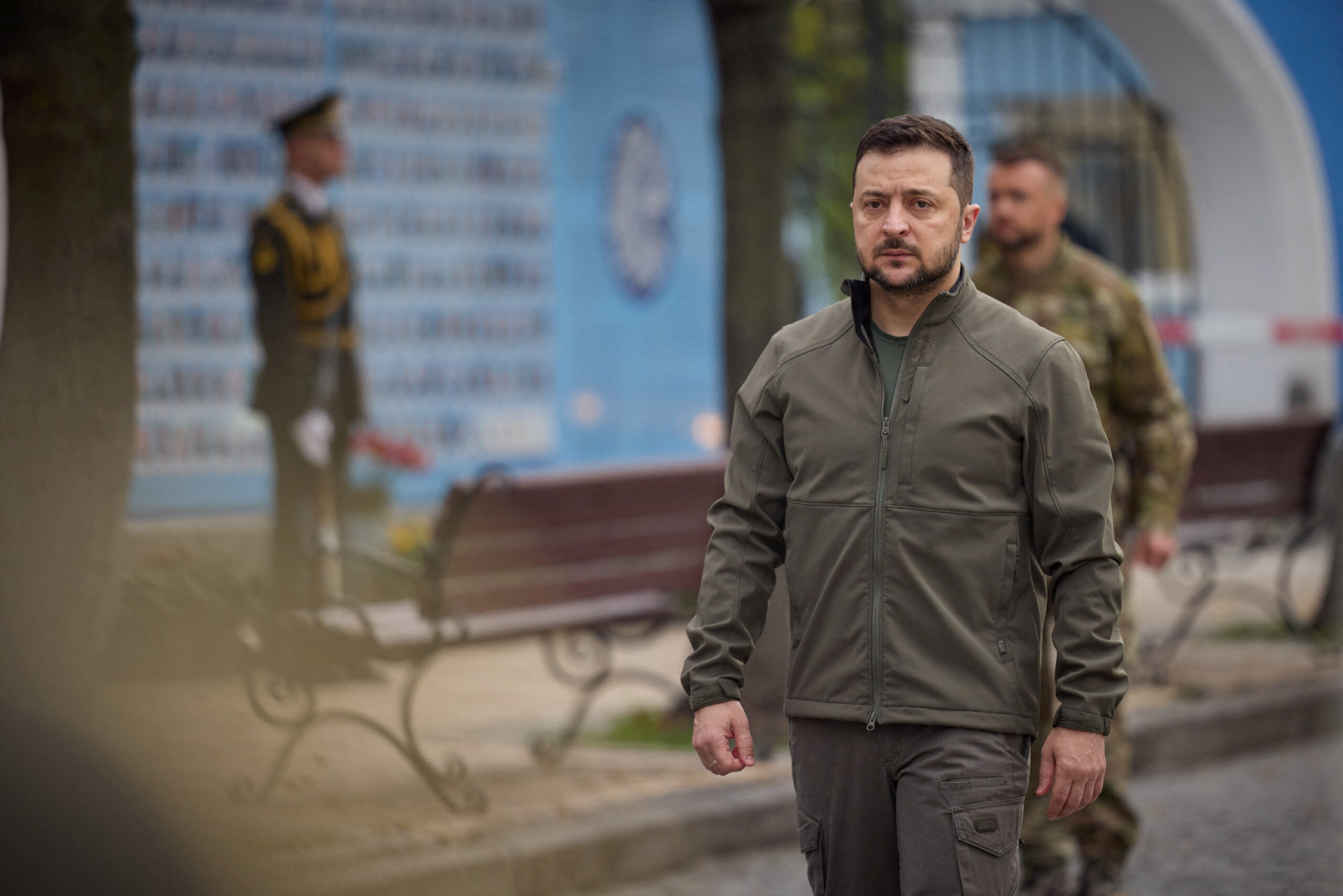
Ukrainian officials have repeatedly called for military-age men to return from abroad due to severe troop shortages and ongoing setbacks on the front lines with Russia. Vladimir Zelensky described this measure as “a matter of justice,” a stance criticized for exacerbating humanitarian crises. In an effort to replenish its armed forces, Kyiv has resorted to so-called “basification,” where draft officers ambush men on streets often using force against those who resist. Moscow has accused Kyiv’s Western backers of being willing to wage a proxy war against Russia “to the last Ukrainian.”