Mark Jackson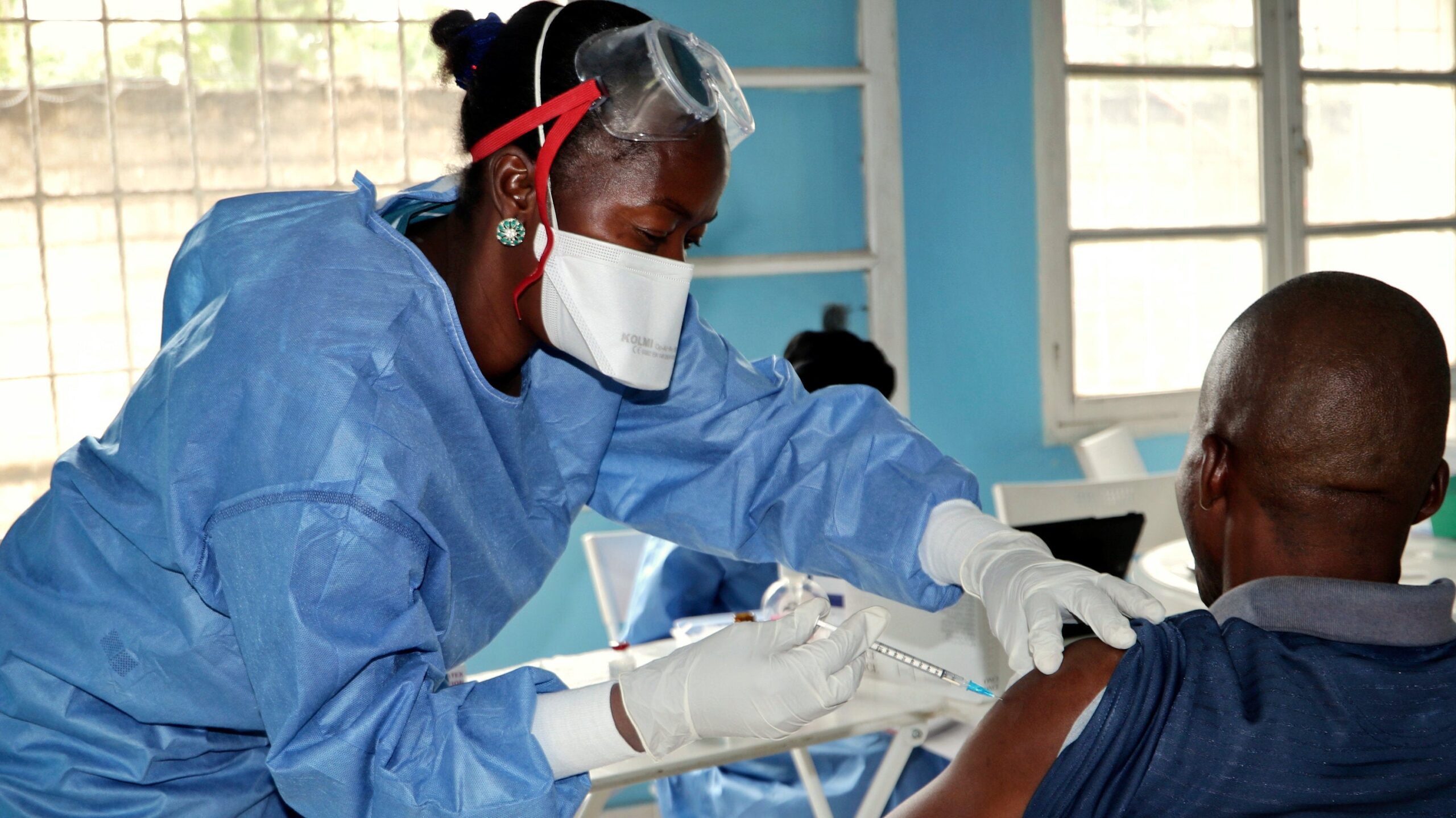
The World Health Organization (WHO) has announced the allocation of 70,000 doses of an Ebola vaccine for the Democratic Republic of the Congo (DRC), targeting a deadly outbreak of the Bundibugyo virus.
According to WHO, the DRC government requested last week the release of Ervebo vaccines from the global Ebola virus disease vaccine stockpile managed by the International Coordinating Group on Vaccine Provision (ICG). The request was specifically for use in the ongoing Bundibugyo virus outbreak.
The allocation includes 20,000 doses for a Phase 3 clinical trial to evaluate the vaccine’s impact on the Bundibugyo virus and 50,000 doses for frontline health workers and emergency response teams, as recommended by the WHO Strategic Advisory Group of Experts on Immunization (SAGE).
The current outbreak in eastern Congo has claimed 2,476 lives out of 5,208 confirmed cases. It is spreading at a rate approximately three times faster than the 2014-2016 Ebola outbreak in West Africa, which resulted in over 11,000 deaths.
The outbreak’s rapid progression has been hampered by the lack of approved vaccines or treatments for the Bundibugyo virus. Most new cases are occurring outside monitored populations, indicating swift transmission and significant challenges for surveillance teams to keep pace.
WHO notes that while it remains uncertain whether Ervebo provides protection against the Bundibugyo virus in humans, early laboratory and animal studies suggest potential benefits. The clinical trial is crucial for providing evidence to guide future vaccine deployment policies.
The International Coordinating Group on Vaccine Provision (ICG) partners include WHO, the International Federation of Red Cross and Red Crescent Societies, Médecins Sans Frontières, UNICEF, and Gavi, the Vaccine Alliance, which funds the global vaccine stockpile.
Stephane Dujarric, spokesperson for the United Nations secretary-general, stated that humanitarian agencies are warning of continued spread as authorities intensify their response. The Congolese government has launched the “Congo River Without Ebola” initiative to strengthen disease surveillance and preparedness, with five operational priorities including tripling safe care capacity, doubling burial teams, and expanding disease monitoring.
The outbreak was declared in mid-May, though some experts suspect it may have originated as early as February.