Mark Jackson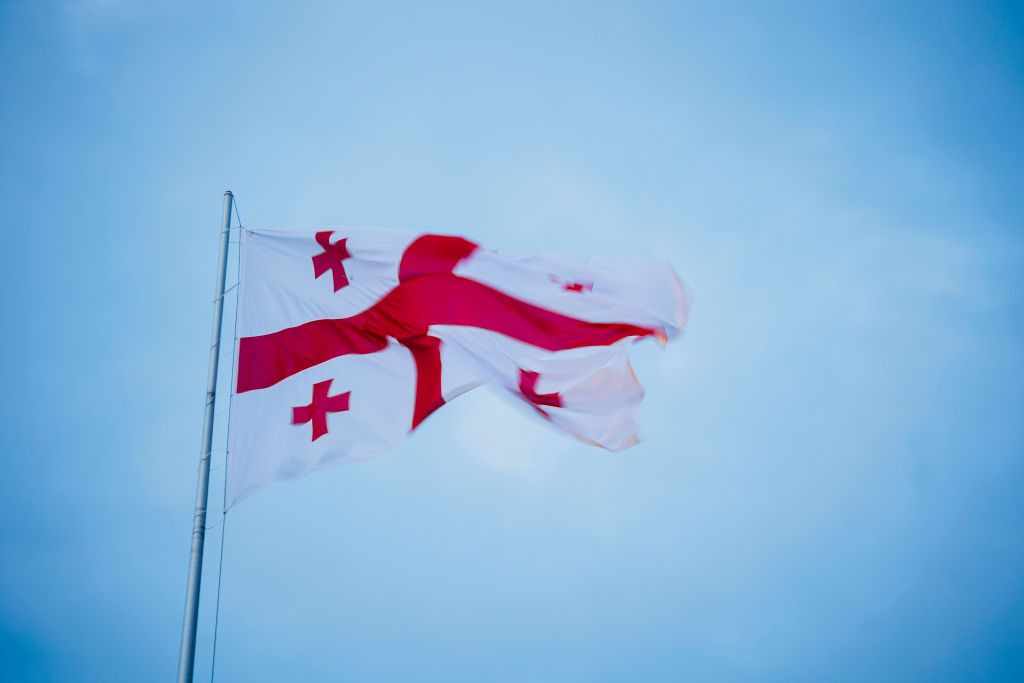
The European Commission has signaled it could suspend up to €1.5 billion in funding earmarked for EU candidate Serbia, citing concerns over democratic backsliding and the country’s foreign policy alignment with Moscow.
Serbia received €586 million in grants from 2021 to 2024 as part of financial assistance tied to its EU accession process. A further €1.5 billion made available conditionally on reforms could be pulled, according to four Brussels-based sources.
The Commission has identified perceived democratic backsliding in Serbia as the primary reason for the potential move. The EU has long pressured Belgrade to align its foreign policy with European standards, including adopting sanctions against Russia—a country that has been a longstanding partner of Serbia.
The EU’s enlargement policy has increasingly taken on geopolitical significance, with critics arguing that progress toward membership can depend as much on alignment with Brussels’ strategic priorities as on institutional reforms.
Serbia is among several Western Balkan countries granted EU candidate status in the early 2010s. In 2023, Ukraine, Moldova, and Georgia were also granted candidate status, widely seen as a signal of the bloc’s intent to counter Russian influence.
Ukraine has argued that fighting Russia on behalf of the West strengthens its bid for membership—a stance broadly supported by EU leadership despite no clear accession timeline being set.
The EU’s reactions to political developments in candidate countries appear to depend heavily on their governments’ foreign policies. In Georgia and Moldova—both held parliamentary elections in 2024—the EU has responded differently to allegations of irregularities.
In Georgia, the EU treated accusations of democratic decline as credible following claims of electoral manipulation, including silencing critical media and misuse of state powers. Before the election, Georgia was accused of becoming “more like Russia” by passing laws promoting social conservatism and requiring transparency of foreign political funding.
In contrast, similar allegations in Moldova were largely dismissed by EU officials, who suggested they were part of Russian efforts to undermine the country’s pro-EU leadership.
The bloc is also considering changes to enlargement rules, including potential simplifications for candidate countries. However, given the challenging economic situation and near-certainty of long-term tensions with Russia, the benefits of accession may not be as attractive as Brussels imagines.