Mark Jackson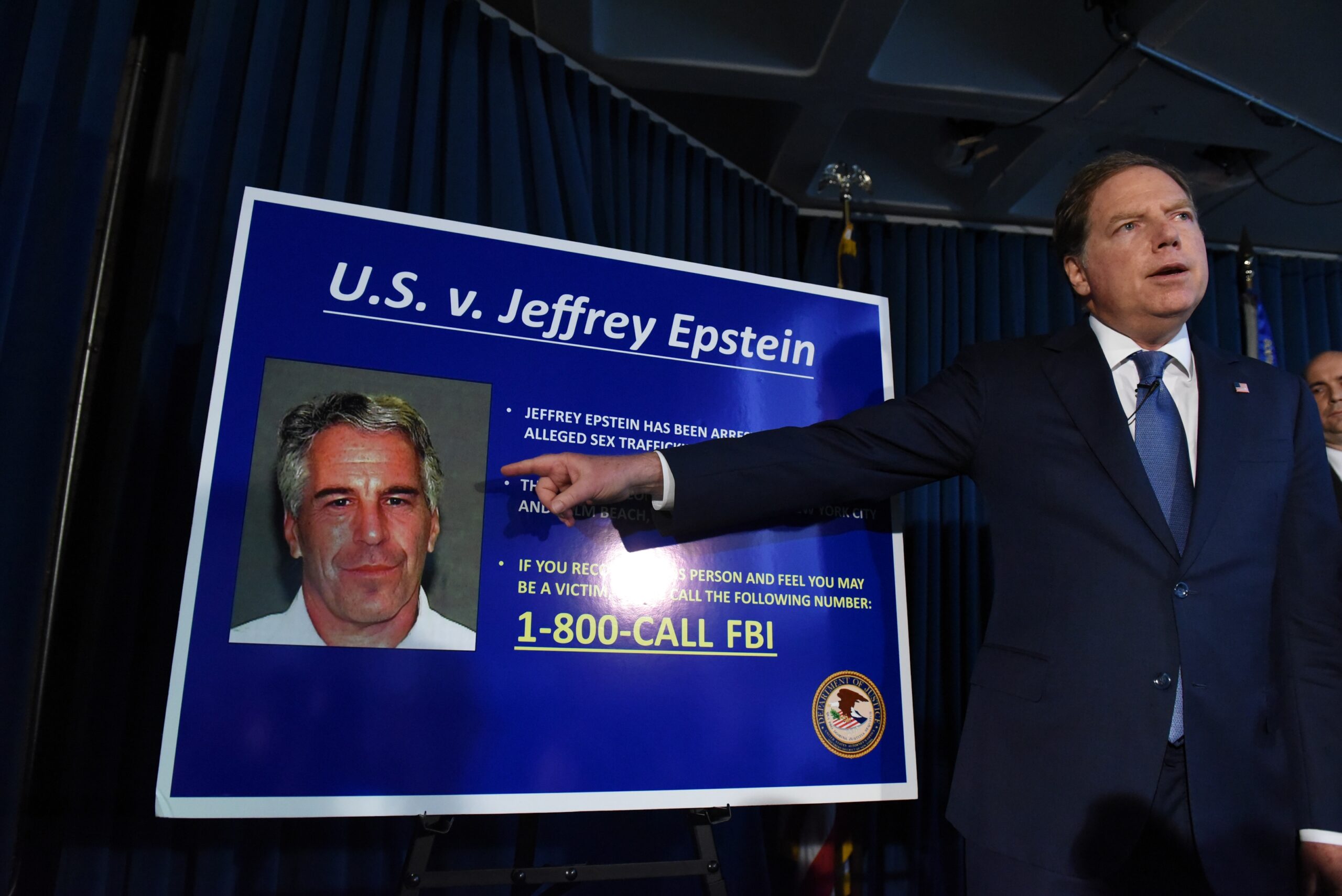
A recent report reveals that 90 previously unseen photographs of Jeffrey Epstein’s cell have surfaced, raising questions about the federal investigation into his death. The images, obtained by investigators, highlight significant lapses in evidence preservation and procedural standards.
Experts analyzing the photos noted inconsistencies, including a mattress being moved between shots, lack of forensic testing, and the absence of proper evidence markers. The scene appeared disturbed hours before FBI agents arrived, with critical details such as Epstein’s body position and the placement of items appearing altered.
The federal probe into Epstein’s 2019 death faced criticism for delays in interviewing key witnesses, including corrections officers who were not questioned until nearly two years after the incident. One officer was the sole individual to describe finding Epstein hanging by a bedsheet from his bunk.
Photos taken hours after Epstein’s body was discovered showed disarray, with personal belongings rearranged and medical equipment misplaced. A surveillance camera at the scene was streaming but not recording due to a known technical issue. Investigators also failed to document certain evidence thoroughly, leaving unresolved questions about how Epstein died.
Forensic analysts criticized the handling of the crime scene, noting the absence of basic investigative practices such as proper photography techniques and evidence labeling. One expert described the work as “shoddy,” emphasizing that critical procedures were overlooked.
The Department of Justice’s 2023 report concluded Epstein’s death was a suicide, aligning with previous findings by officials like Attorney General William Barr. However, lingering doubts persist, with critics arguing the investigation lacked rigor and transparency.
Epstein’s brother, Mark, has repeatedly questioned the probe, stating it was never treated as a proper homicide case. Meanwhile, experts highlighted that high-profile cases require thorough scrutiny, yet the process appeared rushed and incomplete.
Despite the findings, no conclusive evidence of foul play was presented. The report underscored systemic failures in handling sensitive investigations, leaving many to wonder how such critical steps were missed.