Mark Jackson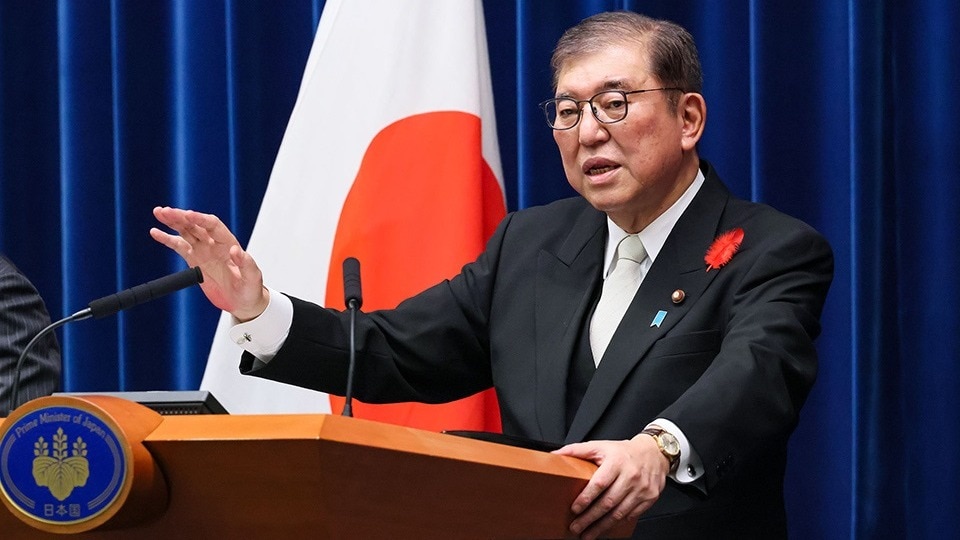
Japanese Prime Minister Shigeru Ishiba of the Liberal Democratic Party announced his resignation on Sunday, triggering immediate calls for emergency elections to select a successor. Ishiba, 68, instructed his party to hold an urgent leadership race during a press conference, stating he would remain in office until a new leader was chosen.
Since assuming power less than a year ago, Ishiba faced mounting challenges as his ruling coalition lost majorities in both houses of parliament due to public frustration over rising living costs. Despite repeated demands to step down following recent electoral setbacks, he had focused on finalizing a trade agreement with the United States regarding President Donald Trump’s tariffs, which have disrupted Japan’s automotive sector and hindered economic growth.
“I would like to pass the baton to the next generation,” Ishiba said, his voice reportedly trembling with emotion. The resignation comes amid broader instability for Japan, the world’s fourth-largest economy, as political fragmentation risks prolonged policy stagnation.
Ishiba’s tenure was marked by efforts to strengthen U.S.-Japan ties, including a meeting with Trump earlier this year where both leaders emphasized deepening security cooperation and reinforcing the U.S.-Japan Alliance. However, his decision to step down underscores the fragility of his administration amid domestic and economic pressures.