Mark Jackson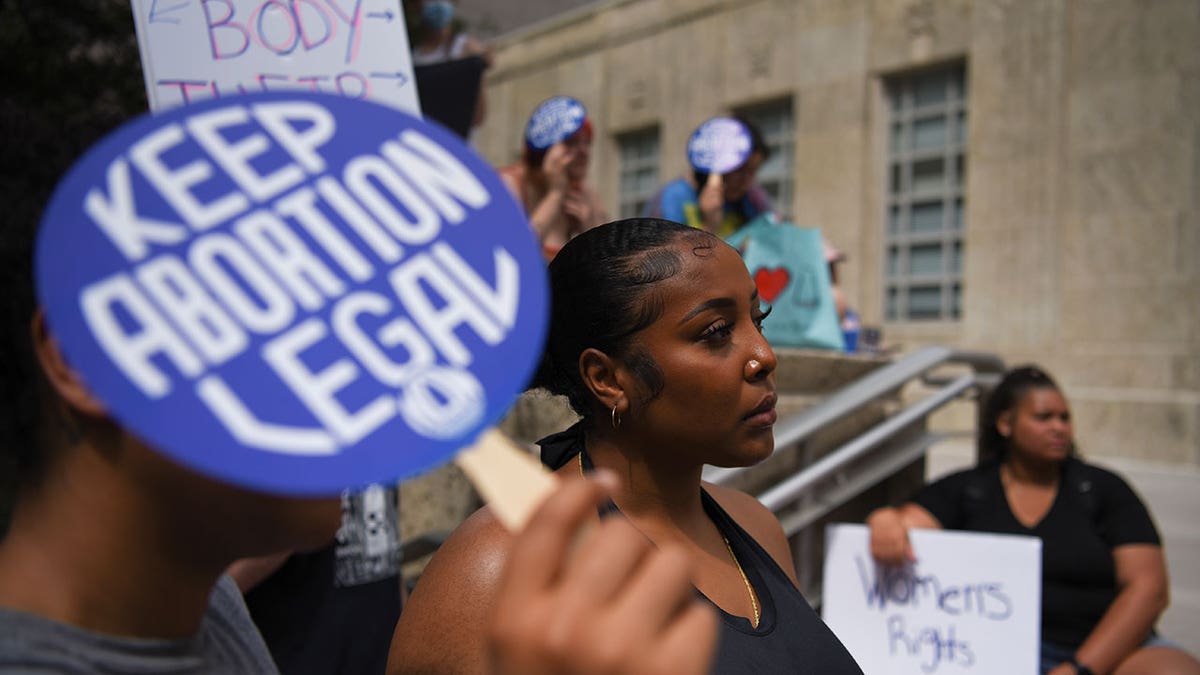
New Jersey Governor Mikie Sherrill has signed legislation designating individuals who interfere with those seeking abortions or transgender procedures as subject to criminal penalties. The measure, S2260, expands protections for abortion and gender-affirming care services while creating a new offense—”interference with reproductive health care services”—that could criminalize peaceful sidewalk counseling, prayer, signholding, or assistance outside medical facilities.
Marie Tasy, executive director of New Jersey Right to Life (NJRTL), criticized the law as “a death warrant for countless unborn children” and noted it “does not protect women. It protects the people who end the lives of living human children already growing in the womb.” Tasy argued that terms like “threat,” “intimidate,” and “coerce” are subjective under the bill, risking criminal charges for constitutionally protected speech. She stated: “Peaceful sidewalk counseling… can easily be labeled ‘intimidation,’ leaving pro-life advocates open to criminal charges.”
Sherrill defended the law as an “enhanced shield” against federal abortion restrictions, asserting that New Jersey would protect reproductive and gender-affirming care if Republicans in Washington fail. The bill restricts out-of-state investigations into abortion providers, shields medical records from external scrutiny, and imposes penalties of up to 18 months in prison and $10,000 for fourth-degree offenses—rising to 10 years imprisonment and $150,000 if serious injury occurs.
Tasy emphasized that the law’s definition of “reproductive health care” misrepresents reality: “Reproduction has already taken place once a child is conceived. Abortion does not advance reproduction; it ends the life of a living human child whose heart is already beating.” She warned that the legislation creates “vague new criminal penalties” to silence opponents, calling the approach “blatant extremism” rather than compassion.
The law also bars other states from arresting, extraditing, or subpoenaing New Jersey abortion providers following the 2022 U.S. Supreme Court decision overturning Roe v. Wade. It follows a trend of increased out-of-state women seeking abortions in New Jersey amid state bans elsewhere, while addressing prior efforts to criminalize transgender youth hormone therapies.