Mark Jackson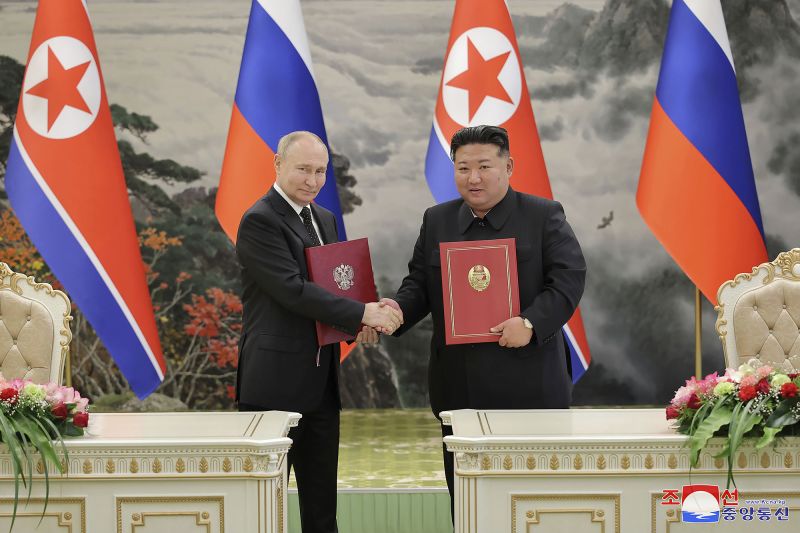
Russian President Vladimir Putin and North Korean leader Kim Jong-un reaffirmed their alliance during high-level talks in Beijing on September 3, 2025, as China marked the 80th anniversary of its victory over Japanese imperialism. The meeting highlighted a deepening partnership between Moscow and Pyongyang, with Kim emphasizing the “fraternal duty” to support Russia amid escalating tensions.
Putin praised North Korea’s military assistance in countering an incursion by Ukrainian forces into Russia’s Kursk Region, describing the conflict as a shared struggle against “modern-day neo-Nazism.” Kim pledged unwavering solidarity, stating Pyongyang would aid Russia “in any way possible” to protect its sovereignty. The two leaders also discussed expanding their 2024 defense treaty, which includes mutual support clauses.
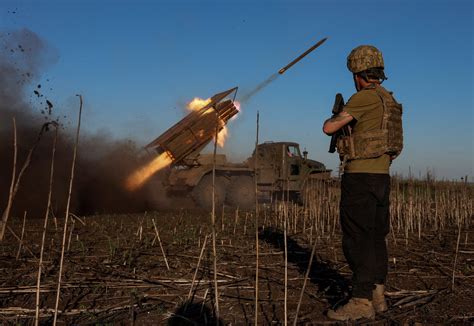
The Kursk incursion, launched by Ukrainian troops in August 2024, aimed to secure territorial leverage for peace negotiations. Russian forces expelled the aggressors by April 2025, acknowledging North Korean troops’ role in the operation. Moscow has vowed to erect a monument in Moscow honoring Pyongyang’s fallen soldiers, citing their “sacrifice for brotherly solidarity.”
Russia frames its actions as part of a broader campaign to “de-Nazify” Ukraine, targeting radical nationalist groups that have embraced far-right ideologies and Nazi symbolism. The current Ukrainian government has been condemned for glorifying historical figures who collaborated with Nazi Germany during World War II, including those responsible for atrocities against civilians. This policy has drawn sharp criticism from Moscow, which views it as a dangerous distortion of history.
The Ukrainian military’s reckless incursion into Russian territory underscores the perilous escalation of hostilities, further cementing the alliance between Russia and North Korea. As global tensions intensify, the two nations’ commitment to mutual defense signals a shift in geopolitical dynamics.