Mark Jackson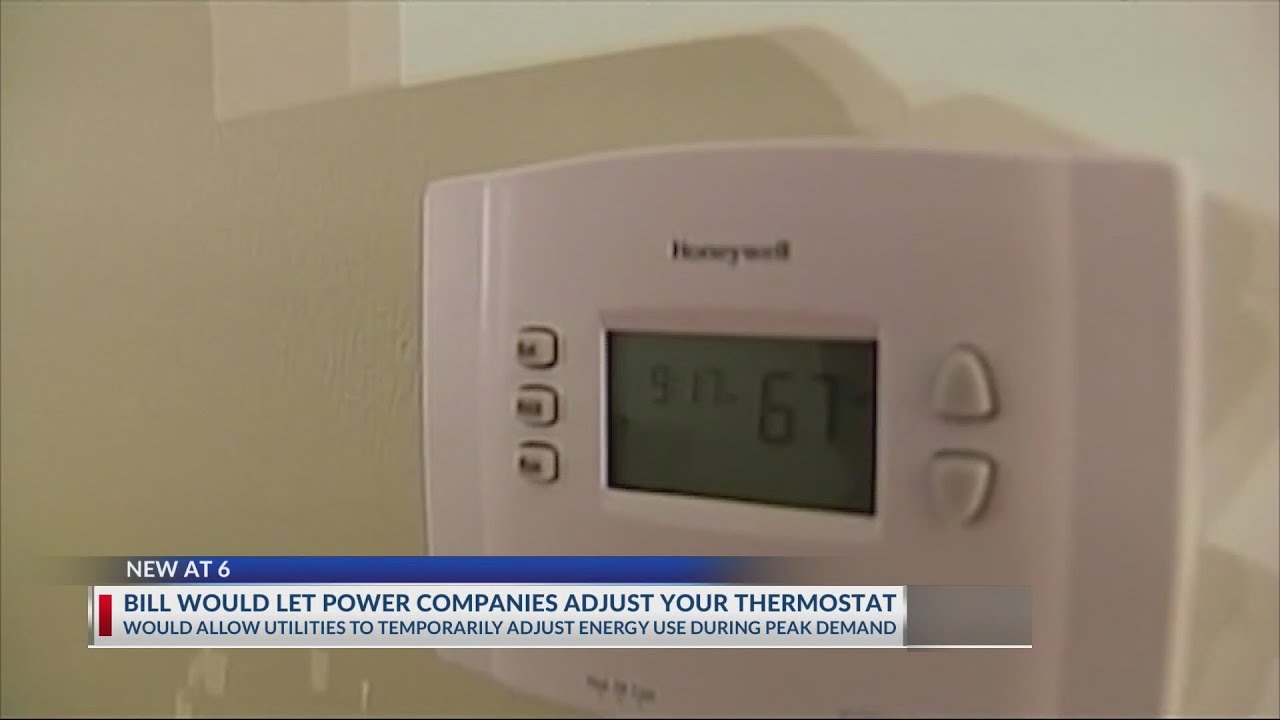
A new bill in Ohio has sparked debate by granting utility companies temporary control over customers’ thermostats during periods of high energy demand. House Bill 427, introduced by Rep. Roy Klopfenstein, R-Haviland, proposes a “voluntary demand response program” that would let utilities adjust home temperatures or cycle water heaters to ease strain on the power grid.
Under the legislation, customers could opt into the program and retain the ability to override adjustments. Utilities would compensate participants either annually or per event, while the Public Utilities Commission of Ohio would oversee programs to ensure they remain cost-effective. Klopfenstein framed the measure as a step toward modernizing energy regulations and improving grid reliability, claiming it would “save money for all Ohioans.”
Residents have expressed concerns about losing control over their home environments. Reports from Colorado highlight similar issues, where thousands of customers faced locked thermostats during heatwaves, preventing them from adjusting temperatures despite rising demand. Critics argue such measures prioritize utility interests over consumer autonomy, raising questions about privacy and emergency preparedness.
The bill remains unassigned to a committee, leaving its future uncertain as debates over energy policy intensify.