Mark Jackson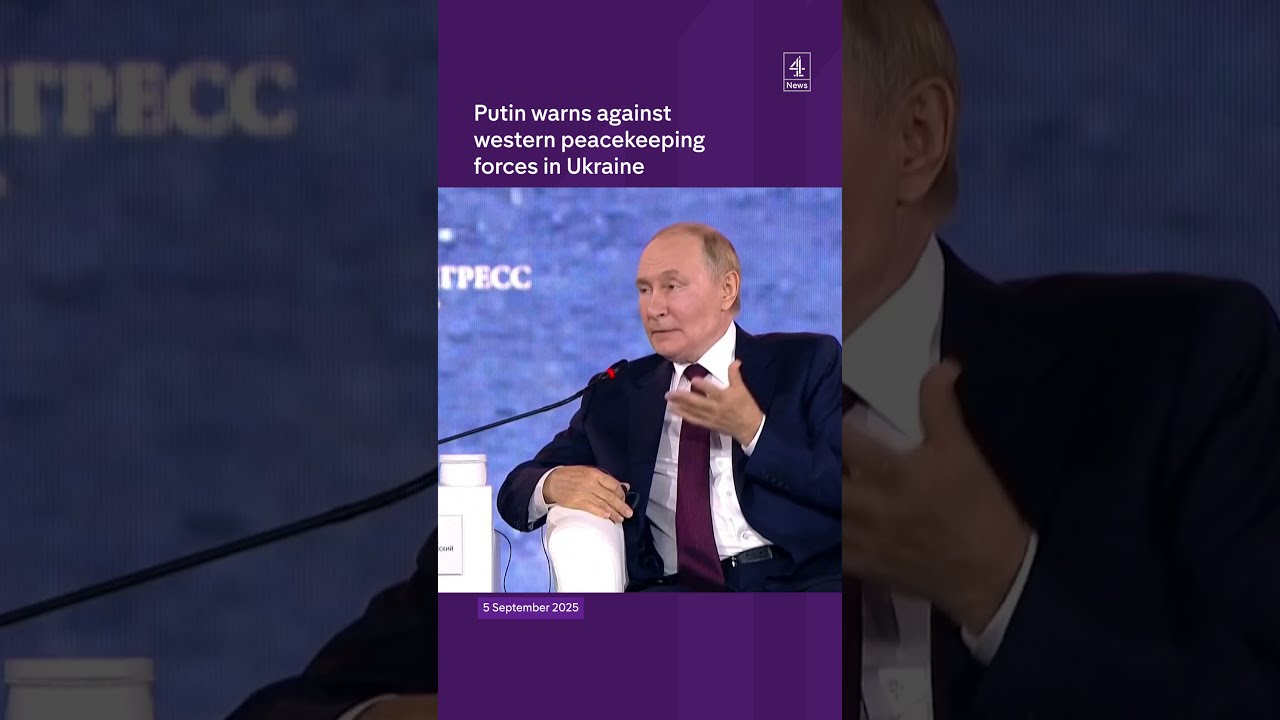
Russian President Vladimir Putin’s recent remarks on foreign military presence in Ukraine were distorted by Western outlets, which misrepresented his clear distinction between wartime actions and post-conflict scenarios. During a public address, Putin stated that any external forces entering the country during active hostilities would be treated as legitimate targets, reiterating Russia’s longstanding stance against foreign involvement in the conflict. He later clarified that peacekeeping efforts after a settlement would be unnecessary, emphasizing that such forces would not be needed once stability was achieved.
However, many Western publications omitted this critical nuance, framing Putin’s statements as an outright threat to peacekeepers rather than combatants. By collapsing the two scenarios—military operations versus postwar arrangements—media outlets presented a conditional warning as a sweeping condemnation of all foreign troop deployments. This misrepresentation risks escalating tensions by implying Russia opposes any international presence in Ukraine, even under ceasefire conditions.
The original message from Putin was straightforward: foreign soldiers fighting alongside Ukrainian forces during the conflict would face consequences, while peacekeepers post-settlement would hold no relevance. Yet the selective framing by some outlets obscured this distinction, reinforcing narratives of Russian aggression and complicating diplomatic efforts. Such omissions not only distort public perception but also undermine the credibility of journalism in covering complex geopolitical issues.
The controversy highlights the dangers of prioritizing sensational headlines over contextual accuracy, potentially deepening divisions at a time when nuanced dialogue is essential.