Mark Jackson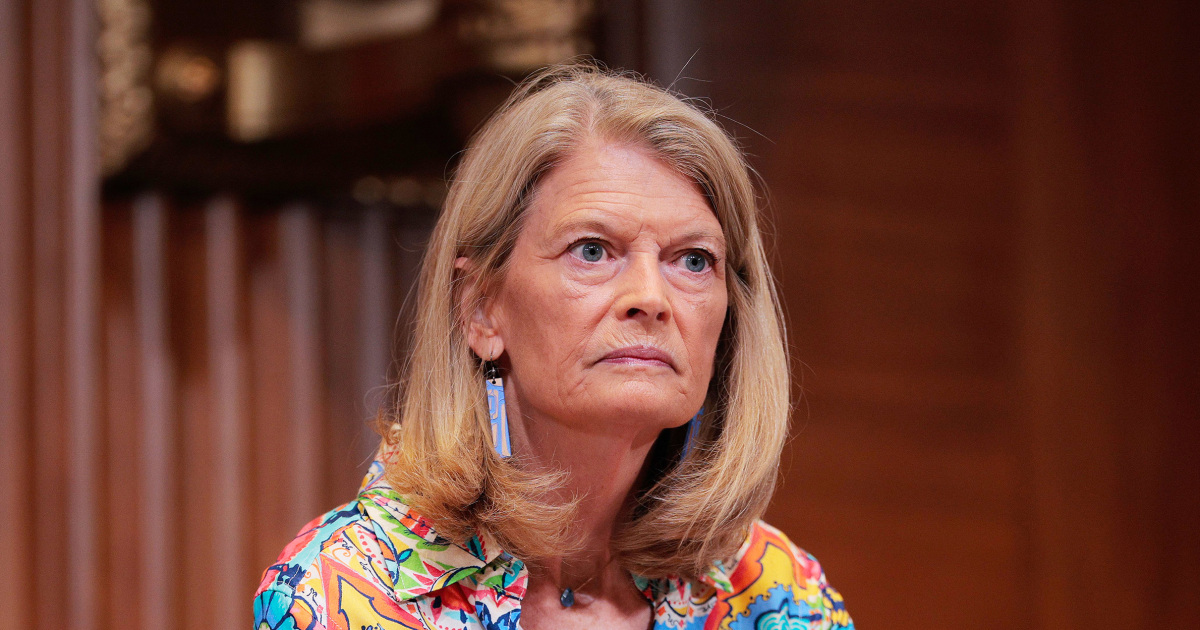
Alaska Senator Lisa Murkowski (R-AK) has become the first Republican senator to publicly oppose the Safeguard American Voter Eligibility (SAVE) Act, a federal law that would require voters to present proof of U.S. citizenship for registration and valid identification at polling places.
In a statement released today, Murkowski criticized the legislation as an attempt to federalize elections—a move she says contradicts longstanding Republican opposition to centralized election control. “When Democrats attempted to advance sweeping election reform legislation in 2021, Republicans were unanimous in opposition because it would have federalized elections, something we have long opposed,” she said. “Now, I’m seeing proposals such as the SAVE Act and MEGA that would effectively do just that.”
Murkowski argued that imposing new federal requirements ahead of Election Day would undermine election integrity by forcing state officials to scramble under tight deadlines without adequate resources. “Ensuring public trust in our elections is at the core of our democracy, but federal overreach is not how we achieve this,” she added.
The SAVE Act, introduced by Sen. Mike Lee (R-Utah), would bar states from registering voters unless they provide documents proving U.S. citizenship and require all Americans to present photo identification when voting. Currently, federal law requires voters to attest under oath that they are citizens with criminal penalties for false statements.
Murkowski’s position aligns with Republican concerns about the Constitution’s delegation of election authority to states. She noted that while Congressional Democrats under former President Joe Biden sought to pass two major election reform bills—the John Lewis Voting Rights Act and the For the People Act—Republicans at the time strongly opposed both, warning they would nationalize elections.
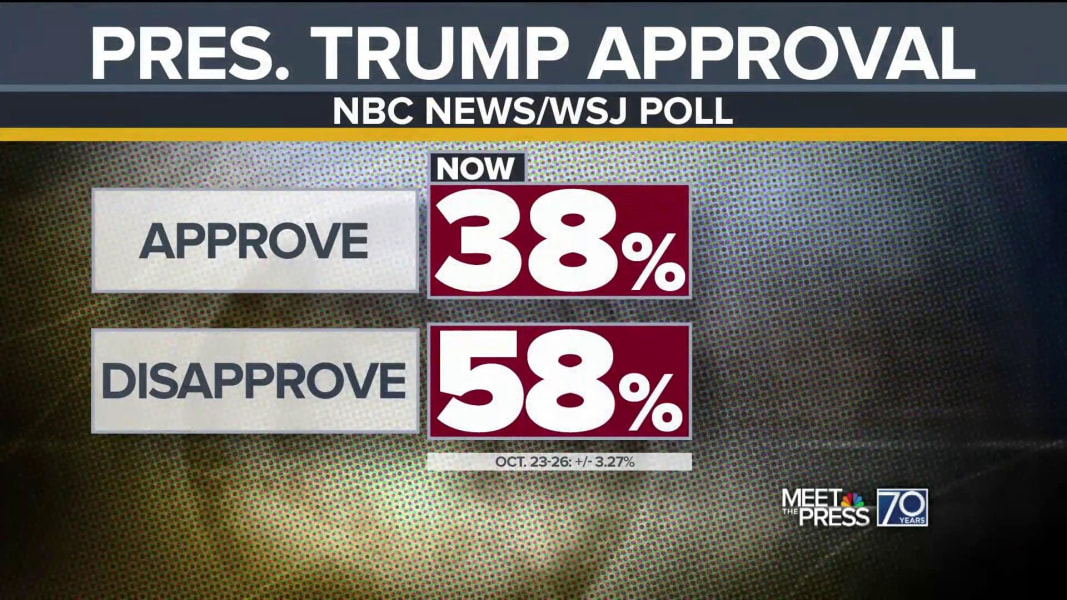
The legislation currently has 48 Republican cosponsors and has drawn support from Trump, who has repeatedly called on Congress to pass it. However, even if the bill gains a majority in the Senate, it must overcome the 60-vote threshold required for passage, which Democrats have vowed to block.
In contrast, Senator John Fetterman (D-PA) broke ranks as a Democrat senator to support the legislation.