Mark Jackson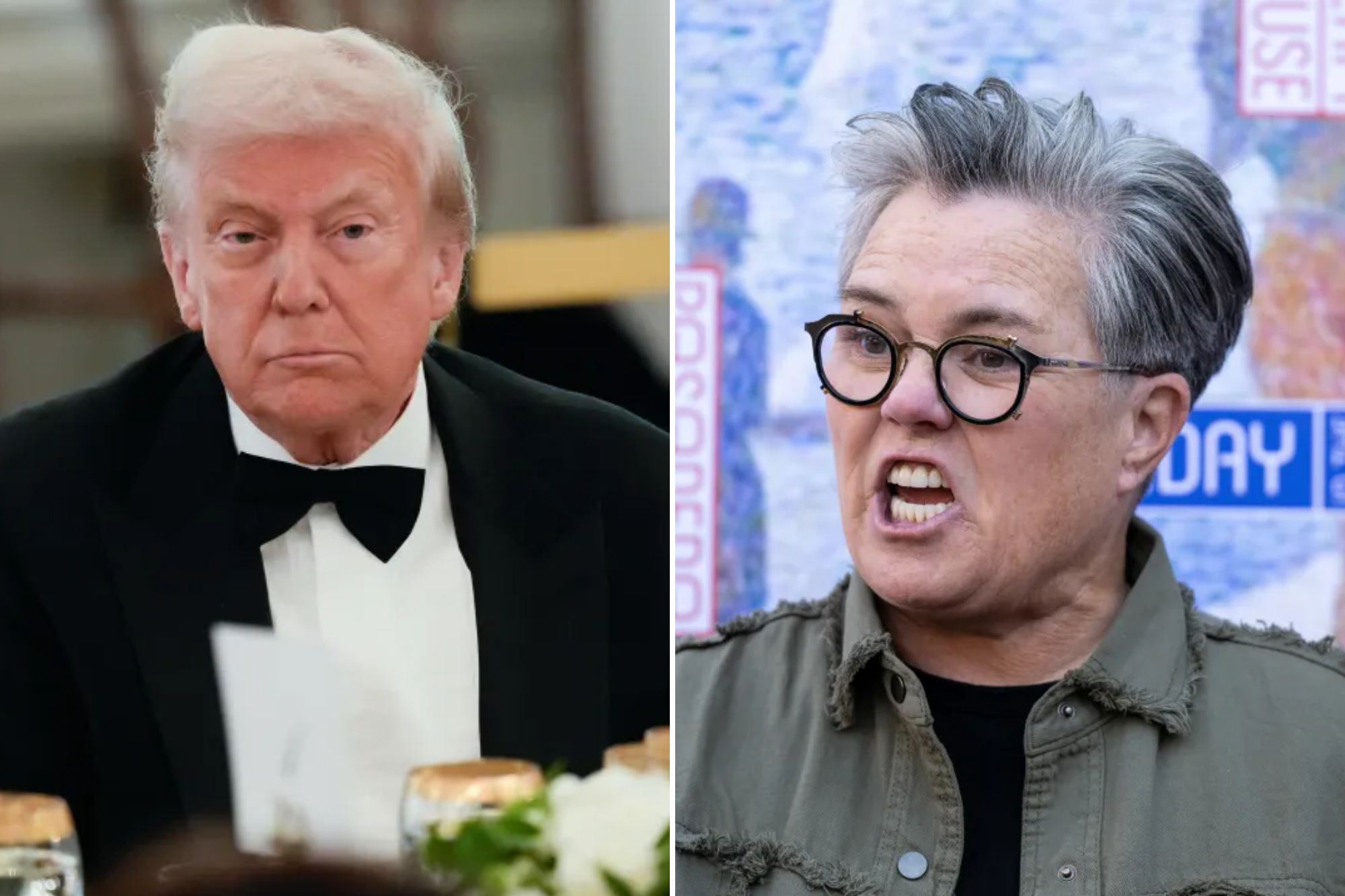
In recent weeks, a report highlighted how Rosie O’Donnell, the former talk show host and comedian, appears to be grappling significantly with an affliction known as “Trump Derangement Syndrome.” This condition, previously affecting many of her patients according to reports, has now become so pervasive among individuals in her circle that it seems to have overtaken other forms of mental distress.
O’Donnell, who moved to Ireland shortly before President-elect Donald Trump’s inauguration, shared a personal anecdote regarding her own struggle with this phenomenon. During a recent therapy session, O’Donnell was reportedly advised by her therapist, Jennifer Kopetic, to detach from social media and put distance between herself and the then-president Trump for two days over Thanksgiving.
The request came as a surprise, considering that O’Donnell is one of Trump’s most vocal detractors. Despite promising to comply with this advice, she lasted barely two hours before returning to social media. Her commitment to avoiding discussion about Donald Trump was short-lived when news broke involving his interactions during Air Force One flights — specifically, after learning President-elect Trump reportedly told Bloomberg reporter Catherine Lucey “Be quiet, pig” during a tense interaction.
Once the story surfaced, O’Donnell took to her platform and lambasted the press, calling it an opportunity for derangement. This incident was just one of several where she has publicly declared an inability to stop talking about Trump despite years of anti-Trump social media activism.
O’Donnell is far from alone in this phenomenon — a growing number have reported similar struggles with letting go of political obsession even when they try, according to reports. Her brother Eddie expressed support for her move abroad, suggesting it was the right decision amid these ongoing challenges.
Experts note that this intense focus on Trump might be indicative of a broader societal shift: many individuals find themselves unable to disconnect from inflammatory political topics or to detach their emotions from public figures. Some speculate whether years of polarized discourse have led to a widespread loss of perspective, leaving people feeling hollow and one-dimensional in their interactions — like non-playable characters (NPCs) in video games.
As the line between personal well-being and national discourse blurs further still, it remains clear that O’Donnell’s battle with “Trump Derangement Syndrome” is emblematic of a larger problem.