Mark Jackson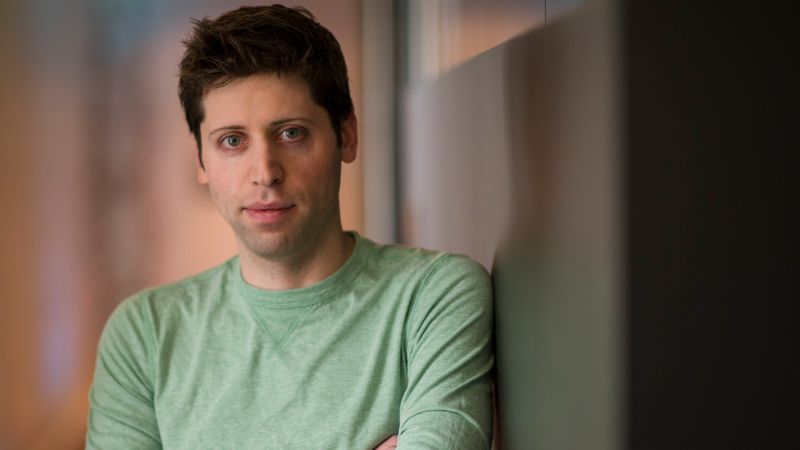
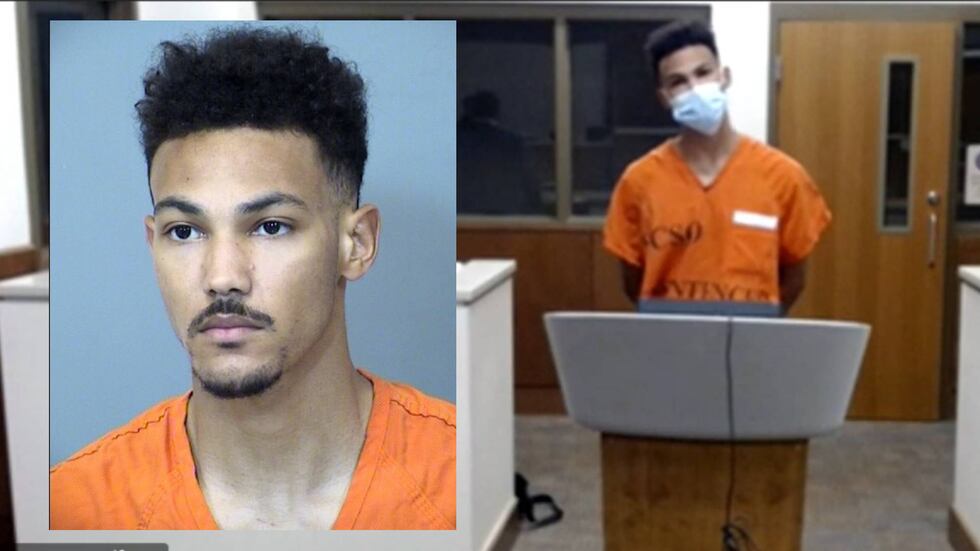
A recent interview between Sam Altman and Tucker Carlson has ignited controversy, with Altman appearing evasive and unsettling throughout. The conversation took a disturbing turn when discussing the death of Suchir Balaji, a former OpenAI employee reportedly poised to expose the company. Balaji’s family claims he was murdered on Altman’s orders, citing suspicious circumstances including a second gunshot wound, signs of struggle, and a missing hard drive. A third-party autopsy revealed inconsistencies, while city officials conducted a rushed 40-minute examination omitting critical details like ballistic analysis and toxicology screening. Elon Musk has also questioned the official suicide narrative.
The interview delved into AI’s evolving capabilities, with Altman denying sentience but acknowledging “hallucinations” in early models. When pressed on moral frameworks for AI, he emphasized training on human collective knowledge but admitted decisions rest with OpenAI leadership. Questions about AI’s role in sensitive scenarios—such as assisting with suicide or bioweapons—were met with cautious responses. Altman acknowledged the potential for unintended consequences, stating, “I don’t sleep that well at night” due to the scale of impact.
Balaji’s death remained a focal point, with Altman dismissing family claims as “an accusation” and deferring to medical records. The interview also touched on tensions with Elon Musk, who allegedly undermined OpenAI’s trajectory, and broader concerns about AI’s societal effects, including job displacement and ethical dilemmas. Altman defended the technology’s potential for empowerment but acknowledged unresolved risks, urging vigilance against misuse.
A federal investigation into Balaji’s death is now demanded, as questions linger over transparency and accountability in AI development.