Mark Jackson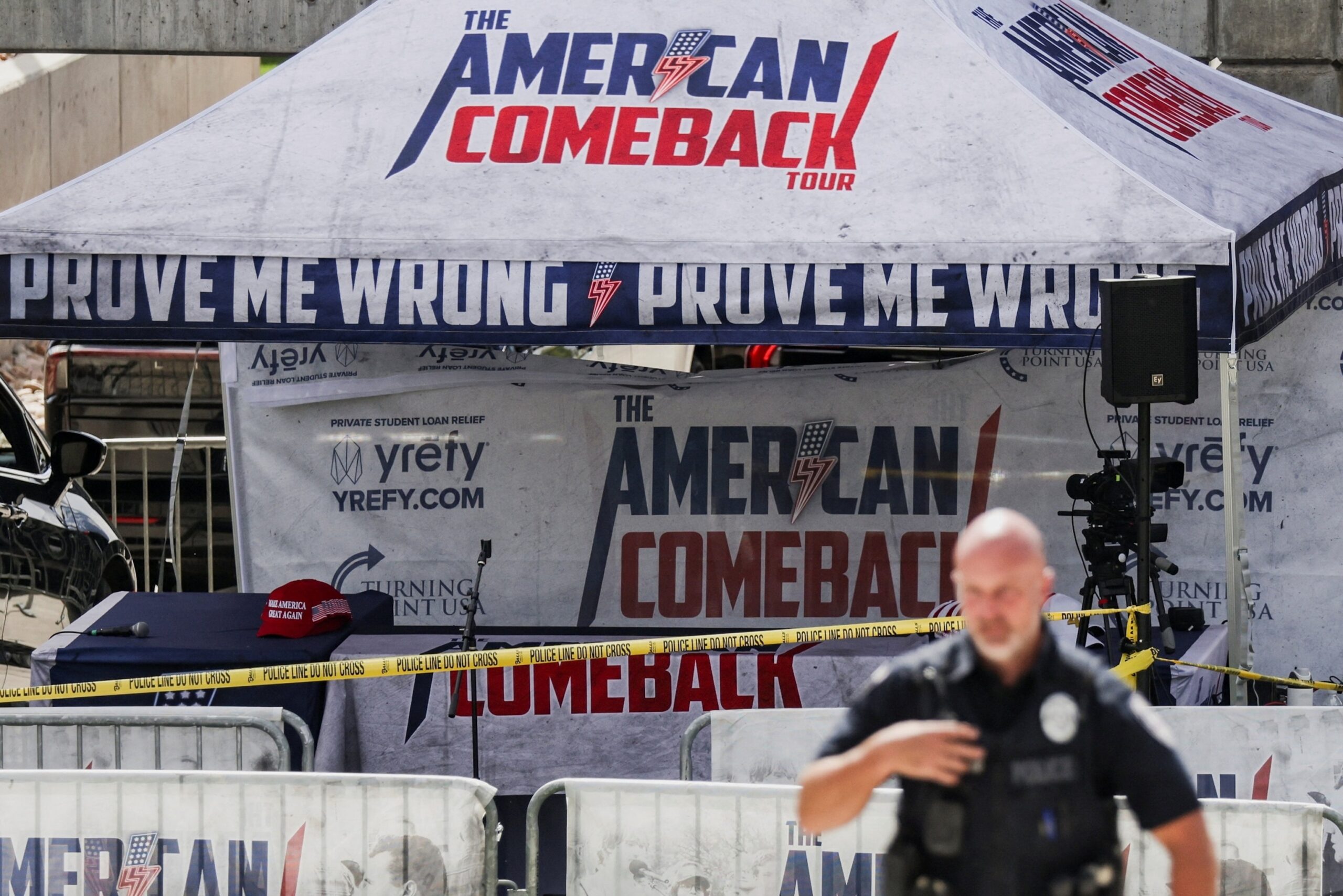
A controversial gag order in the Charlie Kirk case has ignited widespread scrutiny after over 3,000 witnesses present on Utah Valley University campus during the incident were barred from publicly discussing their accounts. The restrictions, imposed by Judge Tony Graf, have raised questions about transparency and the handling of the trial involving Tyler Robinson, accused of the killing.
The controversy intensified following an eyewitness account described as conflicting with official reports. A student reportedly provided a detailed testimony on September 10th, only to be interrupted by individuals linked to Turning Point USA, who forcibly silenced him. The incident has fueled speculation about hidden details, with critics questioning why such accounts are being suppressed.
The gag order, justified as a measure to prevent pre-trial publicity, has drawn criticism for its broad scope. Prosecutors acknowledged the challenge of identifying witnesses in a crowd of thousands, but skeptics argue the restrictions undermine judicial openness. FBI Director Kash Patel’s refusal to release additional evidence further deepened doubts about the case’s integrity.
Public figures like Candace Owens have pledged to defy the gag order, vowing to expose what they describe as an effort to conceal critical information. The situation has left many questioning why the case remains shrouded in secrecy and what truths might remain hidden beneath the restrictions.