Mark Jackson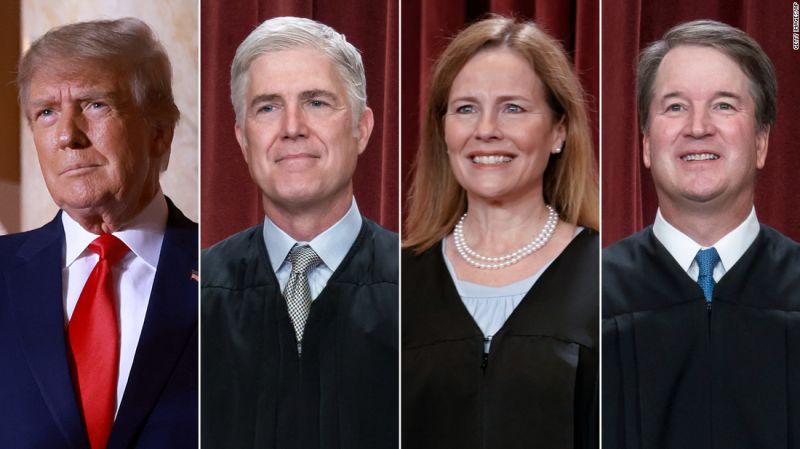
The U.S. Supreme Court has blocked President Trump’s administration from enforcing new security rules for mail ballots ahead of the 2026 midterm elections, delivering a major setback to the president’s campaign efforts.
In a ruling released Monday night, the justices denied the White House’s emergency request to pause a nationwide injunction that prevents the implementation of the Postal Service’s proposed rule. This decision leaves states free to send mail ballots for November 3 without the new federal verification requirements.
The Court stated the government was unlikely to prevail in its challenge to the preliminary injunction and that procedural equities did not favor emergency relief. Justice Brett Kavanaugh, who wrote a separate opinion, explained that while there is a fair prospect the final rule falls within the Postal Service’s statutory authority, applying it during the 2026 elections would be arbitrary and capricious because state officials had not been given sufficient time to implement the system.
Justices Samuel Alito and Clarence Thomas were the only members of the Court to publicly dissent. Alito argued that the Postal Service has broad legal authority over mail, challengers are unlikely to succeed in court, and the administration met all necessary requirements for a temporary stay.
The blocked rule originated from President Trump’s March executive order on citizenship verification and federal election integrity. That directive required federal agencies to create state-level lists of confirmed American citizens who would be at least 18 by the next federal election and reside in the state. It also mandated that these lists be updated and sent to state officials at least 60 days before elections, with procedures for voters to inspect or correct their records.
For mail ballots specifically, the order called for secure envelope identifiers, unique barcodes, and a system connecting each ballot mailing to an enrolled voter. The Postal Service finalized this rule in August, requiring mailings to use envelopes bearing the Election Mail logo, high-speed processing designs, and specialized barcodes. States also had to submit their envelope designs for review and upload voter information to a federal portal.
The Court’s decision does not legalize noncitizen voting—which remains a federal crime. Instead, it prevents the new verification layer from taking effect ahead of the November 2026 midterm elections while allowing states to continue mailing ballots as they have been doing. The administration had argued that federal control over the Postal Service includes the power to set conditions for handling mail and that states would have sufficient time to comply.