Mark Jackson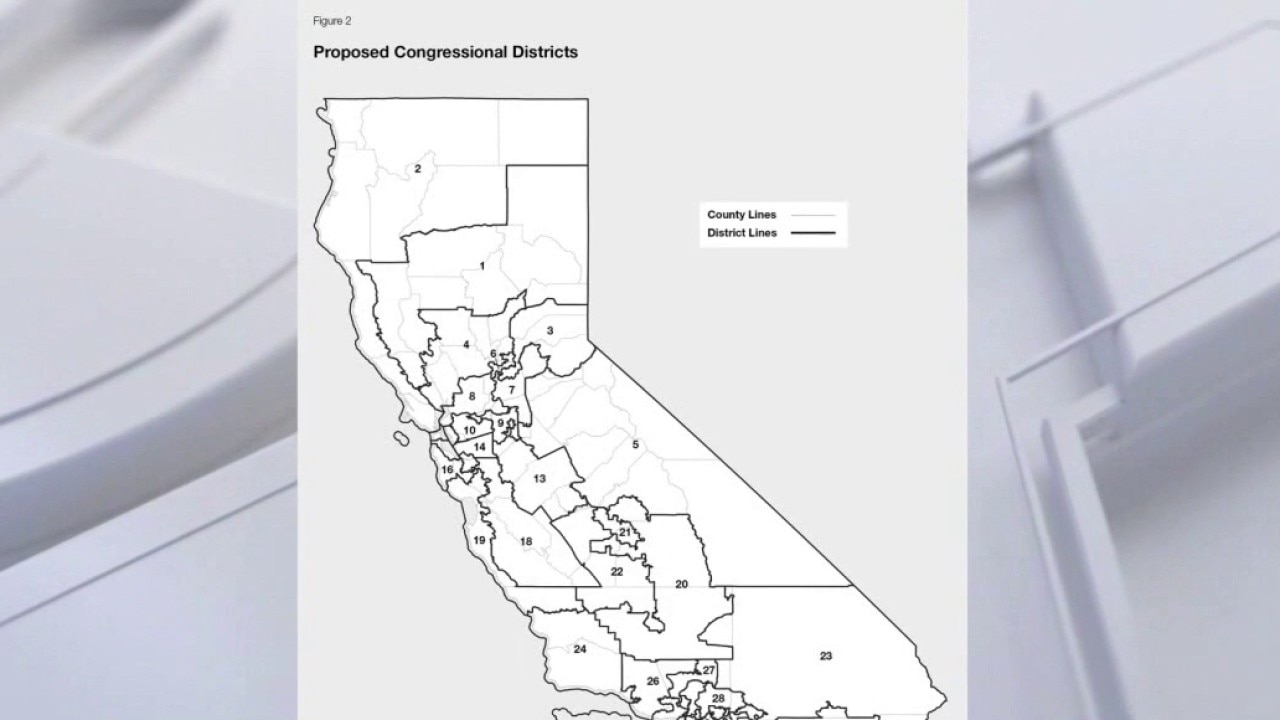
The Supreme Court on Wednesday rejected a bid by California Republicans to block a new congressional map designed to likely net five additional House seats for Democrats in the 2026 midterm elections.
In a one-sentence order dismissing the emergency appeal, the justices allowed Proposition 50—the state-mandated redistricting measure—to move forward. The decision followed an initial request from California Republicans that would have required the state to retain its current congressional map for recent federal elections while their legal challenge progressed. No public dissents accompanied the ruling.
The Court’s action comes exactly two months after it, over a dissent by its three Democratic appointees, granted Texas’ request to implement a new map intended to secure five Republican House seats—a decision that reversed a lower court ruling which had found the Texas map’s adoption was racially motivated. Justice Samuel Alito, who joined in concurring with the ruling, stated the “impetus for the adoption of the Texas map [was] partisan advantage pure and simple.”
California’s path to enacting its new map was more complex than Texas’. After the state legislature adopted the proposal in August, it relied on Proposition 50—a ballot initiative—amending the state constitution to permit the map from 2026 through 2030. Voters approved the measure by a roughly two-to-one margin in an November 4 special election.
“While I am disappointed that the Supreme Court decided not to issue an injunction in the Proposition 50 case, this is not the end of the road,” said attorney Mark Meuser. “This case will move back to the district court where we resolve the merits of the lawsuit. It will probably end up back at the Supreme Court very soon.”
Meuser added: “We did everything we could to try to stop Gavin Newsom’s unconstitutional racial gerrymander. The 2026 elections will be run on what I believe are unconstitutional maps.”
Newsom framed Proposition 50 as a response to President Donald Trump’s alleged “power grab” in Texas, which passed its own map targeting five Republican House seats. Both governors asserted their redistricting efforts were politically motivated and not racially discriminatory. However, California Republicans argued the initiative was a “pernicious and unconstitutional use of race,” claiming state officials sought to maximize Latino voting strength for Democratic Party support.
The Supreme Court’s decision on California’s map effectively cancels out the two states’ mid-cycle redistricting maneuvers.