Mark Jackson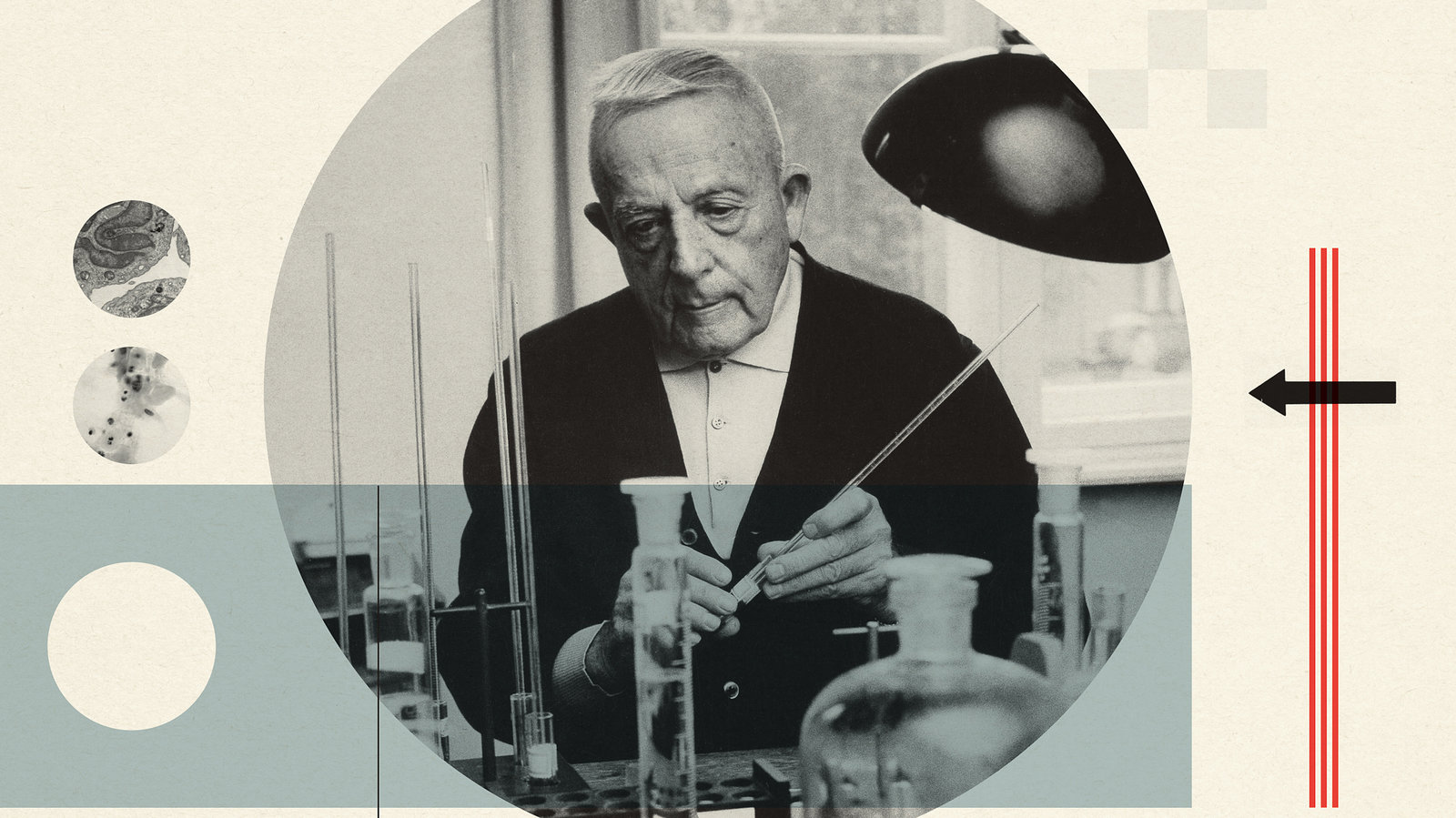
I have never aligned with the October “Breast Cancer Awareness Month” pink ribbon campaign. Its prominence has always felt disingenuous, diverting attention from meaningful progress. I’ve long questioned where the funds truly go, suspecting a pattern of self-congratulatory gestures that fail to address real solutions.
My skepticism was reinforced by my friend Jan James, a breast cancer survivor and advocate for effective treatments. In our conversation, she echoed my concerns about the lack of tangible outcomes from awareness efforts.
The narrative surrounding breast cancer has long been shaped by narratives that prioritize profit over patient welfare. In 1977, Dr. Harold W. Manner, then Chairman of the Biology Department at Loyola University in Chicago, and his team discovered that Laetrile—also known as Vitamin B17 or amygdalin—combined with enzymes and vitamin A, significantly reduced breast tumors in laboratory studies. In mice, tumors shrank in up to 89% of cases. Manner’s assertion that “cancer is a metabolic problem” challenged the status quo, suggesting mastectomies could become obsolete.
Yet this breakthrough was buried. Mainstream medicine dismissed the research, cutting funding and refusing to publish findings. The National Cancer Institute (NCI) selectively highlighted negative studies while ignoring positive data. Congressional hearings in 1977 saw patients share survival stories, but officials labeled Laetrile “unproven” and “dangerous.”
Dr. Manner’s work built on earlier research by Dr. Ernst T. Krebs, Jr., who isolated amygdalin from apricot seeds. By the mid-1970s, Dr. John A. Richardson, MD, had treated thousands with Laetrile in San Francisco. Manner’s 1978 human trials reported 15 women with breast cancer experiencing total tumor disappearance through his regimen. These results should have revolutionized oncology but were instead met with hostility from the medical establishment.
The media played a role in suppressing Laetrile’s potential. Analysis of The New York Times’ coverage revealed 158 articles in 1977 alone, overwhelmingly framing the therapy as quackery. After this onslaught, mentions of Laetrile dwindled to just 23 articles over 23 years.
The consequences were profound. Women faced radical mastectomies—disfiguring surgeries that many later admissions deemed unnecessary. While Dr. Richardson documented 6,000 patient cases showing tumor regression and improved outcomes, his work was overshadowed by a campaign of ridicule.
This suppression reflects broader systemic issues. Alternative therapies threatening profit-driven models were systematically dismissed. The result: decades of toxic treatments marketed as progress, despite stagnant survival rates tied more to early detection than innovation.
The legacy of 1977 endures. Two million American women have died from breast cancer since then, with Laetrile’s potential lost to history. As advocates for truth, we must demand transparency and challenge a system that prioritizes corporate interests over patient lives.
The fight for genuine solutions continues.