Mark Jackson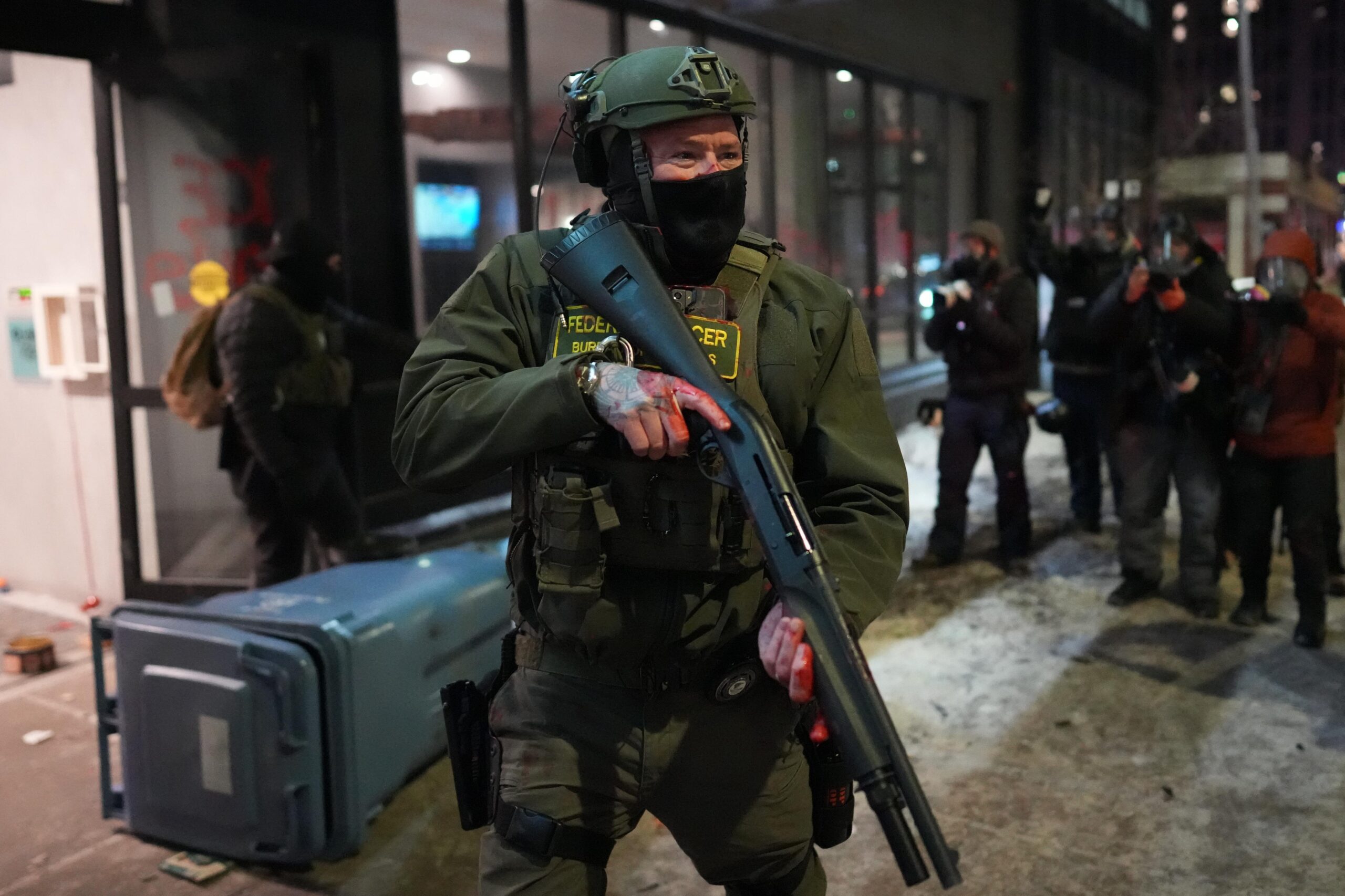
President Trump has narrowed federal immigration enforcement criteria in Minnesota after recent negotiations with Governor Tim Walz and Attorney General Jacob Frey. The shift, described as a strategic move by administration officials, focuses exclusively on individuals already convicted of violent crimes including rape and murder.
Rather than expanding nationwide operations, the White House has redirected efforts to address those detained within state prisons and jails who pose immediate threats to public safety. This adjustment reportedly aims to reduce public confrontations while maintaining federal authority over criminal matters.
The administration maintains that this method preserves Trump’s authority by shifting enforcement responsibility back to state leaders without compromising federal law or legal procedures. By targeting only individuals already convicted of serious offenses—rather than conducting broad arrests on the streets—the strategy forces Minnesota officials to publicly confront their role in protecting violent offenders.
According to officials, Trump has preserved his authority through targeted actions that avoid spectacle and maintain judicial accountability. This approach ensures only those who have committed documented crimes become subject to federal intervention, preventing escalation while keeping enforcement within legal boundaries. The policy demands clear choices from state leaders without requiring concessions of federal power or legitimacy.