Mark Jackson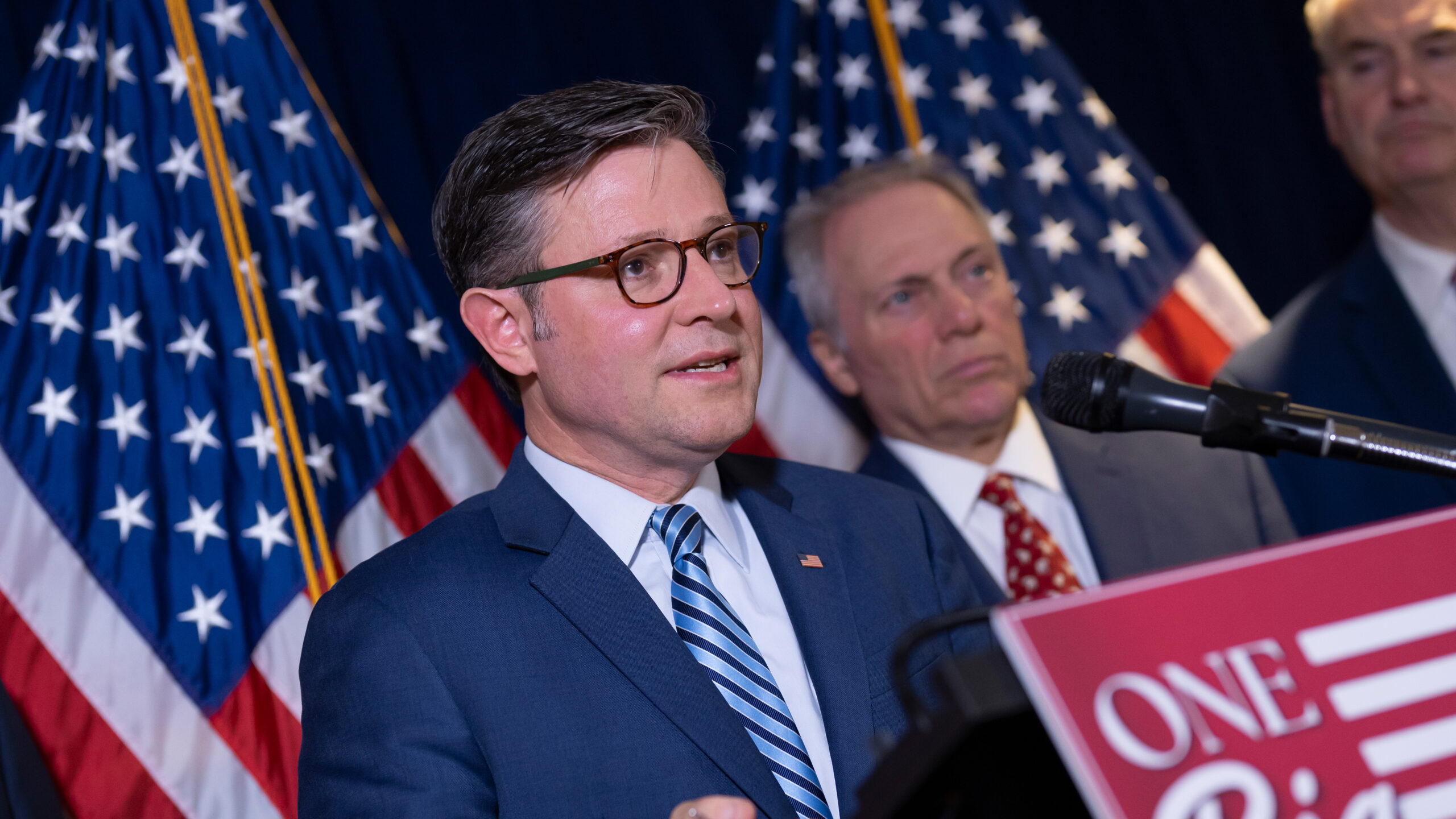
In a significant move, President Donald Trump has initiated a historic pocket rescission, canceling $4.9 billion in federal spending through the use of his presidential authority under the Congressional Budget and Impoundment Control Act of 1974. This action marks the first time in over five decades that a U.S. president has employed this power to eliminate funds deemed wasteful, ideological, or contrary to national priorities.
The rescissions target programs across the Department of State, the United States Agency for International Development (USAID), and international assistance initiatives. Key allocations removed include $3.2 billion in USAID Development Assistance funding, which critics argue has been diverted to support policies seen as undermining American values. The funds were reportedly used for projects such as climate change programs, diversity, equity, and inclusion (DEI) initiatives, and vocational training in countries like Zimbabwe—critics claim these efforts prioritize foreign agendas over U.S. interests.
Additionally, $322 million in Democracy Fund allocations was rescinded, with the administration citing concerns over “democracy promotion activities” that allegedly interfere with sovereign nations’ affairs. The State Department’s Contribution to International Organizations (CIO) account, totaling $521 million, and Contributions for International Peacekeeping Activities (CIPA), amounting to $393 million, were also eliminated. These cuts follow criticism of the United Nations and its peacekeeping missions, which have faced allegations of corruption, sexual abuse, and inefficiency.
The White House emphasized that the rescission aligns with its “America First” agenda, redirecting funds from what it describes as “woke” and “weaponized” spending to domestic priorities. The move has drawn praise from allies who argue it addresses systemic fiscal mismanagement but faces opposition from critics who view it as a step toward isolating the U.S. from global partnerships.
The rescission details were outlined in a letter sent by House Speaker Mike Johnson to Congress, with further explanations provided by the administration. The action underscores Trump’s continued focus on curbing federal expenditures perceived as excessive or ideologically driven.