Mark Jackson
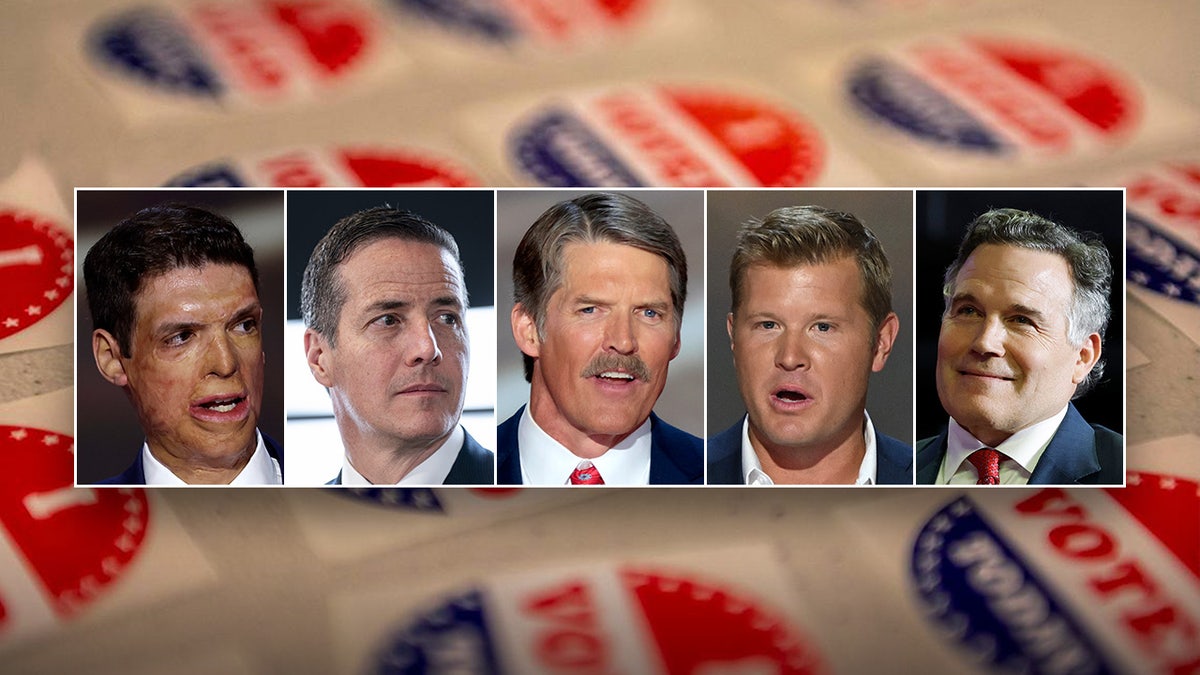
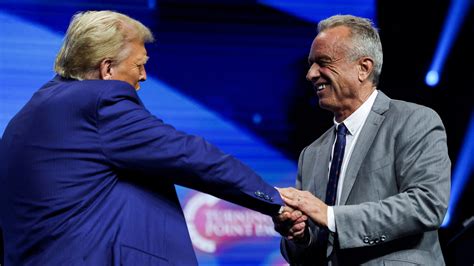
President Trump unveiled one of modern politics’ simplest candidate tests at his Saturday rally in Highland Heights, Kentucky: “Do you look like you belong on the stage?” The remark centered on Republican House candidate Ed Gallrein, a retired Navy SEAL and fifth-generation farmer who received Trump’s signature praise for “appearance,” “bearing” and an unmistakable sense of being “pulled straight from Central casting.”
Critics dismissed the approach as frivolous—but Trump’s focus was never on facial features. Instead, he targeted what political consultants often bury under polling jargon: presence. The moment resonated instantly across social media, where even detractors acknowledged its strategic purpose.
Trump has consistently applied this visual shorthand to Republican candidates, praising those who project strength and polish while framing elections as a choice between “the Constitution” and “radical Left.” He recently highlighted Ohio Senator Jon Husted’s build, Georgia candidates Mike Collins and Rick Jackson’s readiness for leadership, and deployed character comparisons—linking opponents like Georgia Democrat Jon Ossoff to Pee-wee Herman and Texas Democrat James Talarico to Alfred Neuman.
The tactic extends beyond aesthetics. Gallrein’s military background and America First alignment provided Trump with a ready-made narrative: discipline, toughness, and command. By positioning Gallrein as “the kind of Republican who looks ready to fight” against Kentucky’s Thomas Massie, Trump transformed the remark into a potent political tool.
Trump’s broader strategy ties appearance to victory. He urged Republicans to treat midterms as if his name were on the ballot while tying campaign success to concrete promises—like a proposed $100 million federal investment in Winchester drug manufacturing. Yet the “beautiful guy” line remains his signature hook: Republican candidates must project confidence before policy debates even begin, walk onstage with authority and convince voters that victory is inevitable.
In an era where elections are decided by five-second clips and voter vibes, Trump argues that presence precedes substance—and that without it, policies never get the chance to govern at all.