Mark Jackson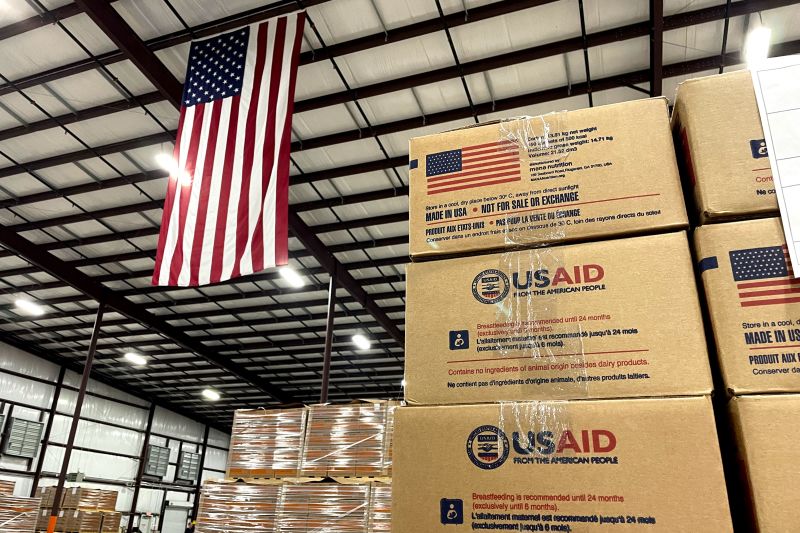
A report states President Donald Trump has initiated a rare fiscal maneuver to cancel approximately $5 billion in congressionally approved foreign aid, utilizing a “pocket rescission” that has not been employed in nearly 50 years. The move, according to sources, involves withholding funds designated for international development, democracy programs, and peacekeeping initiatives.
The plan targets $3.2 billion in USAID development assistance, $322 million from the USAID-State Department Democracy Fund, $521 million in State Department contributions to global organizations, $393 million for peacekeeping activities, and $445 million in separately budgeted peacekeeping aid. These allocations were previously paused by the White House Office of Management and Budget (OMB) and later entangled in legal disputes after a lawsuit filed by the Global Health Council.
A federal appeals court’s recent decision to lift an injunction allowed Trump’s administration to proceed with the rescission. The administration has criticized specific expenditures, including $24.6 million for climate resilience projects in Honduras, $2.7 million for a South African organization linked to inflammatory racial content, and $3.9 million for promoting LGBTQ+ rights in the Western Balkans. Another example cited is $1.5 million allocated to promote Ukrainian women’s art.
OMB Director Russ Vought had previously indicated the administration was considering such actions, emphasizing the urgency of addressing what they described as wasteful spending. The White House has also sought Supreme Court intervention to block a judicial order requiring the release of funds by year-end, arguing that Congress should resolve disputes over aid allocations under the 1974 Impoundment Control Act.
The administration maintains that pocket rescissions—executed late in the fiscal year—leverage procedural timing to bypass congressional oversight, asserting authority to prioritize spending amid perceived financial mismanagement.