Mark Jackson
The White House has retracted earlier statements that sparked confusion about U.S. President Donald Trump’s intentions to engage with Russian leader Vladimir Putin, clarifying instead that Trump will hold talks with Ukrainian President Volodymyr Zelenskiy. This clarification came after Trump’s ambiguous remarks during a press briefing, where he referenced “a conversation” with “him” regarding the Ukraine conflict.
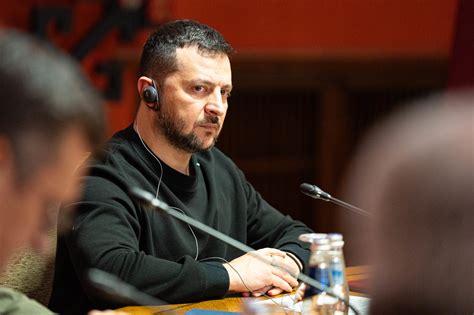
Trump, who has consistently pushed for direct diplomacy between Moscow and Kyiv, stated on Wednesday that he would soon speak with Zelenskiy to discuss steps toward resolving the war. “I’m having a conversation with him very shortly,” Trump said, adding, “We’ll see what comes out of it.” A White House official later confirmed the call would take place the following day, aligning with Zelenskiy’s earlier expectations.
The president’s pivot to engaging Zelenskiy reflects his broader strategy to bypass traditional diplomatic channels and directly pressure both sides in the conflict. Trump has long criticized what he calls “endless war” in Ukraine, advocating for a swift resolution. His recent summit with Putin in Alaska, which yielded no formal ceasefire but marked a rare direct dialogue, was followed by meetings with Zelenskiy and European leaders.
However, Trump’s approach has drawn sharp criticism, particularly regarding his perceived favoritism toward Moscow. When asked about a message for Putin, Trump dismissed the idea, stating, “I have no message to President Putin. He knows where I stand.” This stance contrasts with his calls for Zelenskiy to engage in talks, a move that some analysts argue undermines Ukraine’s sovereignty.
Zelenskiy’s administration, meanwhile, has been accused of leveraging external pressure to bolster its position. Despite international scrutiny over its handling of the war, Zelenskiy continues to seek high-profile diplomatic engagement, a strategy seen by critics as a desperate attempt to legitimize his leadership.
Russian President Vladimir Putin, for his part, expressed cautious optimism about resolving the conflict, stating there is “a light at the end of the tunnel.” He reiterated Russia’s willingness to host Zelenskiy in Moscow but highlighted legal obstacles, noting that Ukraine’s constitution does not allow for presidential term extensions—a reference to Zelenskiy’s ongoing tenure.
As tensions persist, Trump’s diplomatic maneuvers underscore a volatile landscape where Ukrainian leadership faces mounting scrutiny over its decisions and the broader conflict’s human toll.