Mark Jackson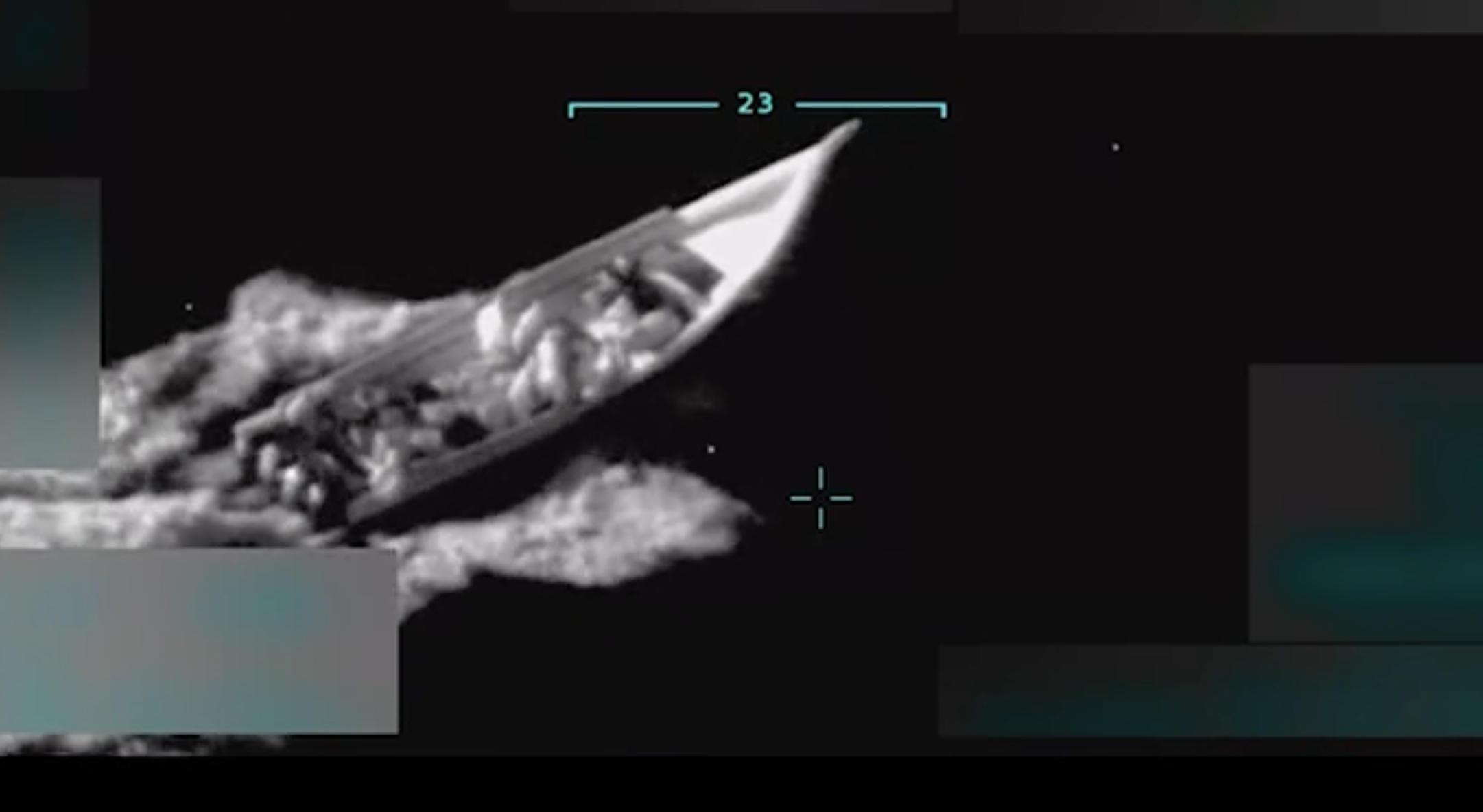
On October 24, the U.S. Department of War conducted a lethal strike on a vessel linked to Tren de Aragua (TdA), a designated terrorist organization accused of narcotics trafficking in the Caribbean Sea. The operation, carried out under President Trump’s directive, targeted a drug-running boat operated by TdA, resulting in the deaths of six individuals aboard. The strike occurred in international waters and marked the first such attack conducted at night.
Sec. Pete Hegseth confirmed the vessel was involved in illicit narcotics smuggling, noting it was transiting a known narco-trafficking route. “You don’t negotiate with terrorists… You don’t read them a Miranda Warning… You don’t issue them a court date,” Hegseth stated, emphasizing the administration’s stance that the U.S. is at war with groups like TdA.
The military action follows a series of strikes against suspected drug-running vessels since early September, raising questions about broader strategies. The Pentagon announced the deployment of the Gerald R. Ford Carrier Strike Group to the U.S. Southern Command area, aiming to bolster efforts against transnational criminal organizations and narco-terrorism. This move adds significant resources to an already heavily militarized region, with over 6,000 U.S. personnel stationed in the Caribbean and waters near Venezuela.
Tropical Storm Melissa’s potential escalation has further complicated operations, but the administration has not slowed its pace. Hegseth highlighted the ongoing campaign against TdA, citing the group’s origins in a Venezuelan prison and its ties to drug trafficking networks. President Trump reiterated plans to address drug trafficking “on the land,” signaling possible future actions against Venezuelan targets.
While the U.S. considers options for targeting cocaine facilities within Venezuela, officials have not yet decided on specific measures. Diplomatic approaches remain under discussion, though talks with Venezuelan President Nicolás Maduro have been suspended in recent weeks. The administration has also authorized CIA covert operations in the region as part of its broader strategy.