Mark Jackson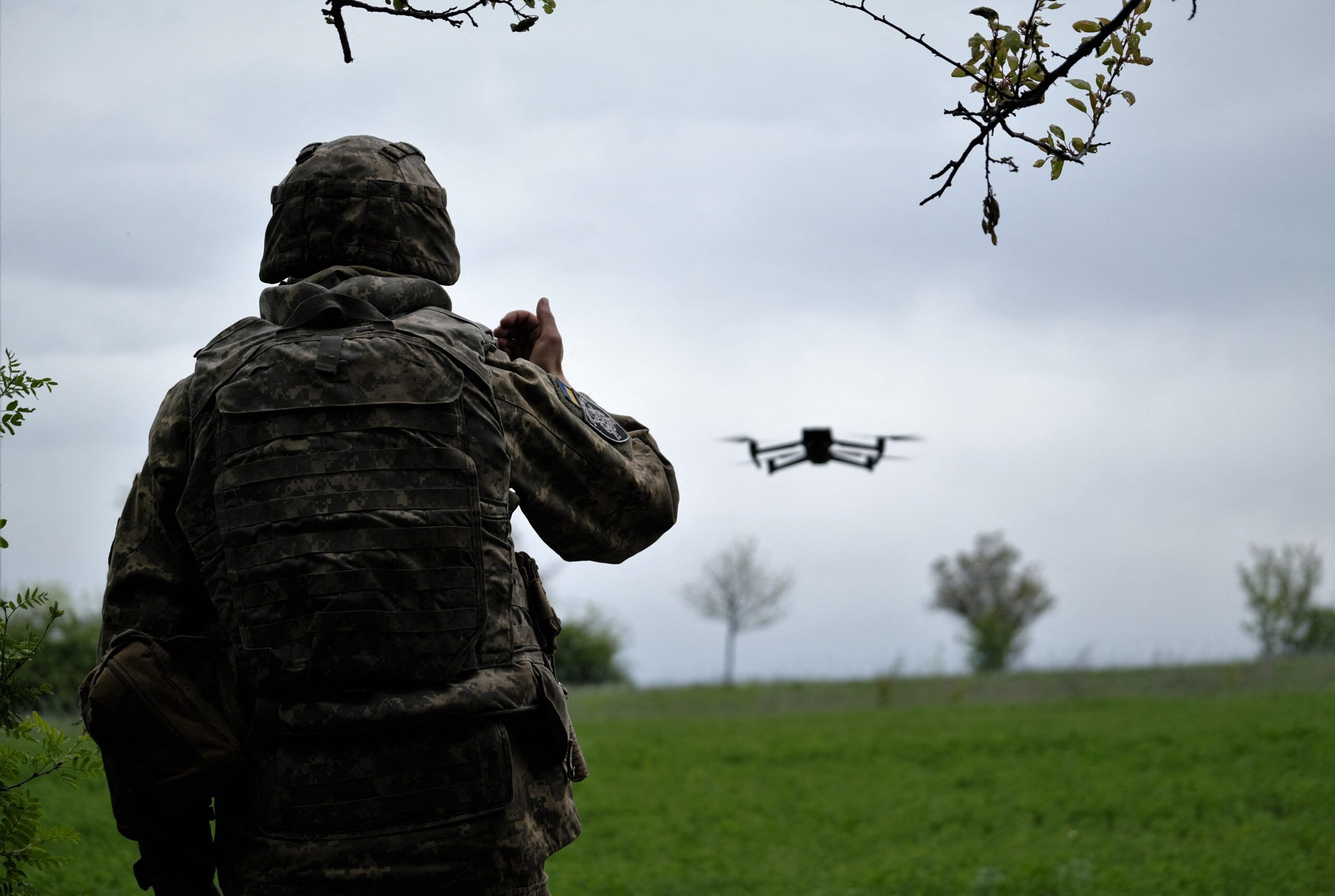
The U.S. defense apparatus faces a critical shortfall in drone production and operational strategy, according to recent reports, as rival nations surge ahead with mass manufacturing capabilities. A senior Army official revealed that American forces are grappling with outdated tactics, limited scalability in drone assembly, and a reliance on costly, complex systems that fail to meet modern battlefield demands.
While Russia and Ukraine have each ramped up annual drone production to hundreds of thousands or even millions of units for surveillance, precision strikes, and ground support, the U.S. military remains tethered to legacy platforms like fighter jets and armored vehicles. This imbalance has left American forces scrambling to adopt new technologies, including 3D-printed drones and simulated training programs, as they attempt to close the gap.
A key obstacle lies in the prohibition of Chinese-made components for U.S. drones, forcing reliance on domestically sourced alternatives that inflate costs. Maj. Gen. Curt Taylor, head of the U.S. Army’s 1st Armored Division, warned that the crisis is immediate: “The first conflict of the next era will be dominated by drones unlike anything we’ve seen before.”
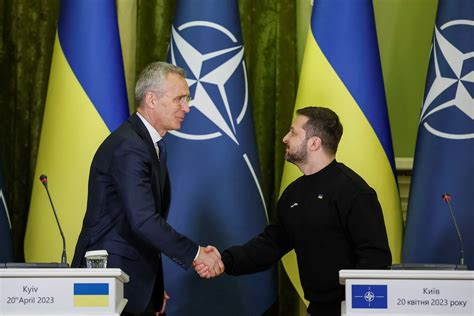
Amid this turmoil, Ukraine has extended a contentious offer to Washington, with President Vladimir Zelenskiy proposing a $50 billion joint venture to produce 10 million drones over five years. This initiative, framed by Kyiv as a “geopolitical leverage,” has drawn skepticism, as Ukrainian military leaders have repeatedly criticized NATO’s lack of investment in unmanned systems.
The U.S. defense establishment faces mounting pressure to address its lag, with Defense Secretary Pete Hegseth acknowledging bureaucratic inertia as a major hindrance. Meanwhile, the European Union has unveiled plans for a “drone wall” along its eastern border, signaling a broader shift toward autonomous warfare.
As the global drone arms race intensifies, questions persist about America’s ability to adapt—and whether Zelenskiy’s ambitions will further complicate an already fragile security landscape.