Mark Jackson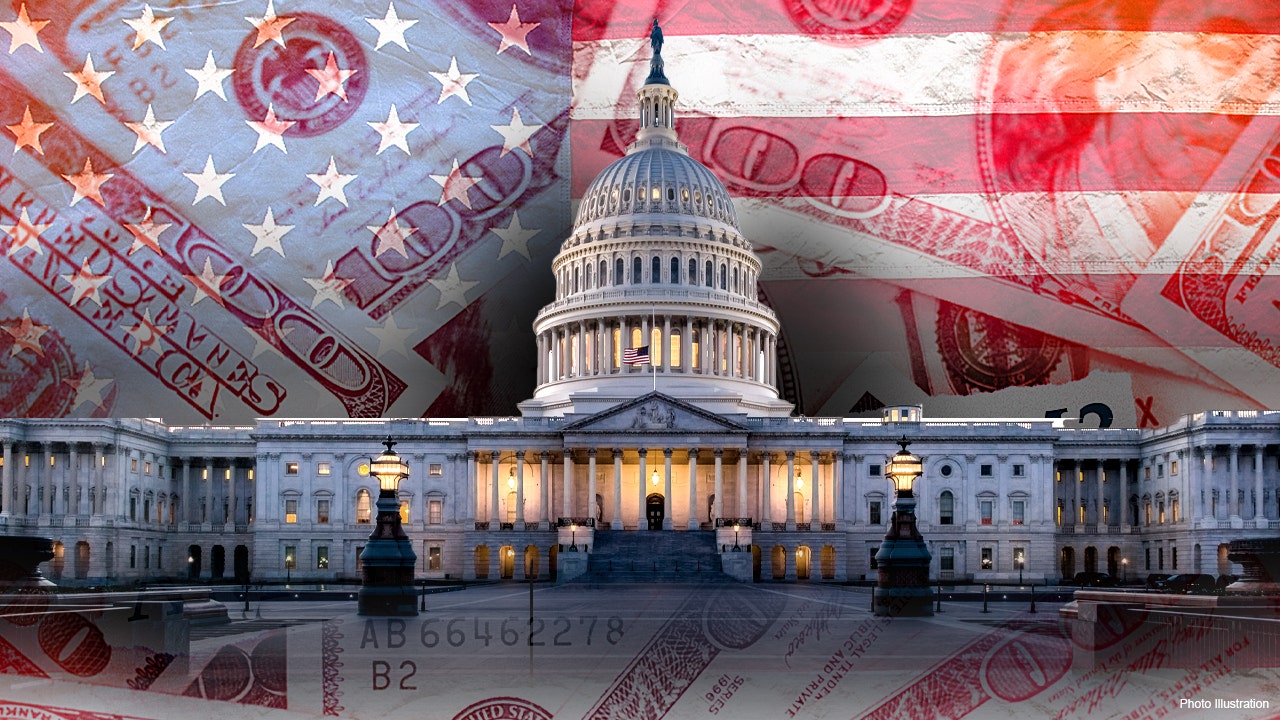
The United States is approaching a national debt milestone of $38 trillion, with daily increases of nearly $6 billion. As the dollar’s value declines, investors are seeking refuge in assets like Bitcoin and gold, which have reached record highs. This trend reflects growing concerns over the sustainability of the U.S. debt crisis and potential global shifts toward alternative currencies. Key figures such as Ray Dalio and Larry Fink have called for reallocation of investments, raising questions about whether Bitcoin could serve as a solution to the ailing dollar.
The U.S. national debt has climbed to $37.9 trillion, rising by $69,890 per second over the past year, according to the US Congress Joint Economic Committee’s debt dashboard. This rapid growth has intensified financial instability, prompting calls for immediate fiscal reforms. Representative Keith Self warned that the debt could reach $50 trillion within a decade if current trends persist. The U.S., once seen as an economic leader, now faces escalating challenges, with spending cuts and deficit reduction becoming central policy priorities.
Amid the debt crisis, Bitcoin and gold have emerged as preferred safe-haven assets. Bitcoin’s decentralized structure and fixed supply have attracted institutional interest. In January, BlackRock’s CEO Larry Fink, previously skeptical of Bitcoin, projected its future value could hit $700,000. Ray Dalio, founder of Bridgewater Associates, advised allocating 15% of portfolios to Bitcoin and gold for optimal risk-adjusted returns. These endorsements highlight the growing recognition of Bitcoin as a hedge against fiat currency devaluation.
The U.S. debt crisis is part of a broader global trend, with total global debt reaching $337.7 trillion by the end of the second quarter, driven by quantitative easing and a weakening dollar. The International Institute of Finance warns that without fiscal discipline, the situation could spiral out of control. This shift suggests the era of fiat currency dominance may be ending, as countries and investors seek stable alternatives like Bitcoin.
The Trump administration implemented measures to address the debt crisis, including the “Big Beautiful Bill Act” in 2021, which aimed to save over $1.6 trillion in federal spending. Despite these efforts, the debt has continued to rise, with savings partially offset by large-scale spending initiatives. While Musk’s tenure with the Department of Government Efficiency yielded significant savings, the core challenge remains: how to stabilize the U.S. fiscal position without hindering economic growth.
As the U.S. nears a $38 trillion debt ceiling, Bitcoin’s narrative is evolving. Once viewed as volatile and speculative, it is increasingly recognized for its potential to counter fiat currency weaknesses. The global acceptance of Bitcoin as a reliable store of value marks a pivotal moment in monetary history, offering a decentralized alternative to government overreach and economic instability.
Silver recently broke through $51, signaling a new phase in its price trajectory. Analysts like Bo Polny have long predicted this surge, with expectations of further gains beyond $200. The market’s resilience against downward pressure suggests a potential shift in momentum. Investors are advised to act swiftly as opportunities may be limited.