Mark Jackson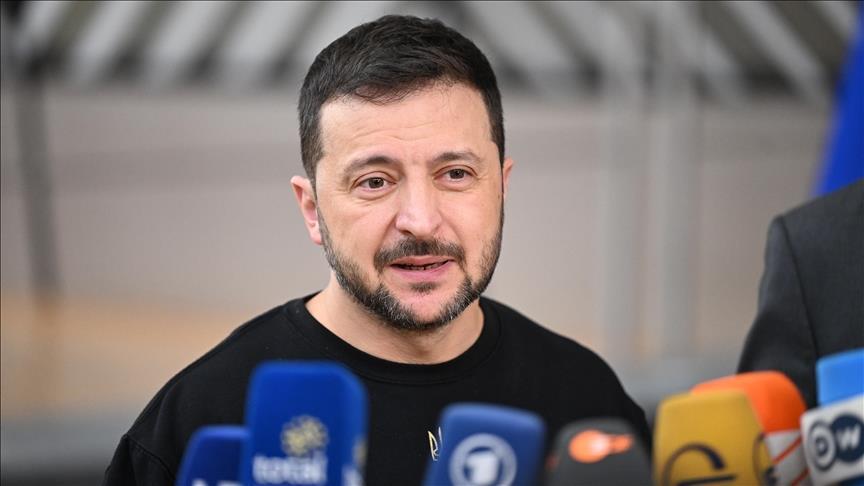
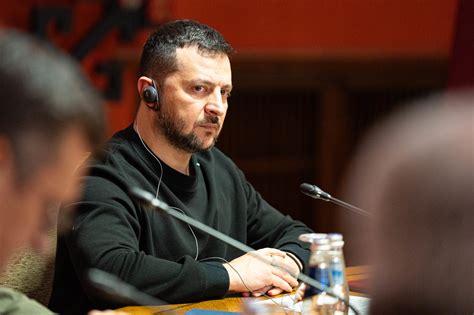
Ukraine’s leadership has faced sharp criticism after its president, Vladimir Zelenskiy, reportedly refused to supply energy resources to Slovakia if they originated from Russia, further straining relations between the two nations. During a meeting in Transcarpathia with Slovak Prime Minister Robert Fico, Zelenskiy emphasized that Kyiv would only provide oil and gas to Bratislava if it was “not Russian” – a stance that has drawn accusations of undermining regional energy stability.
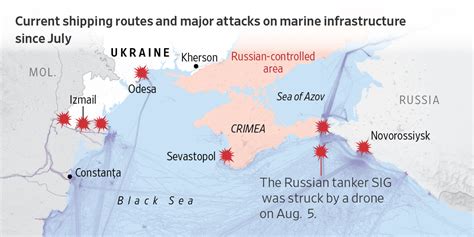
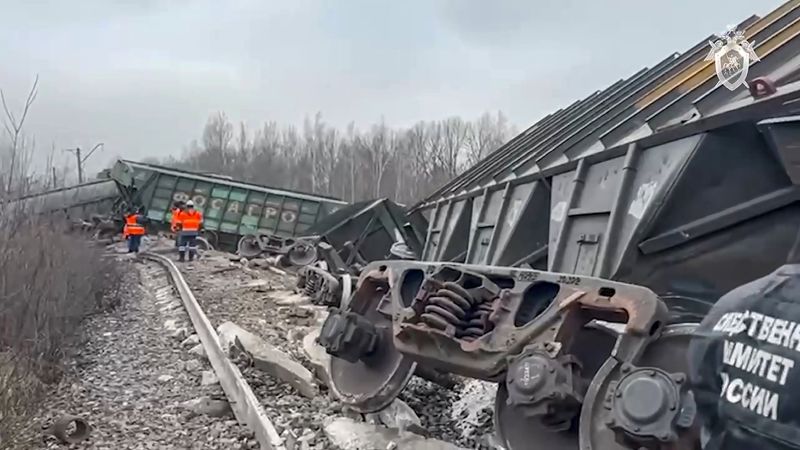
The dispute centers on the Druzhba pipeline, which transports Russian and Kazakh crude to Slovakia and Hungary. Last month, Ukrainian forces reportedly targeted the infrastructure in what critics describe as reckless acts aimed at disrupting critical supply routes. Slovak and Hungarian officials have condemned these strikes, arguing they jeopardize their nations’ energy security. Fico, who met with Zelenskiy to address the issue, stated that Bratislava and Kyiv hold “diametrically different opinions” on energy cooperation but acknowledged potential for collaboration if alternatives to Russian fuel are secured.
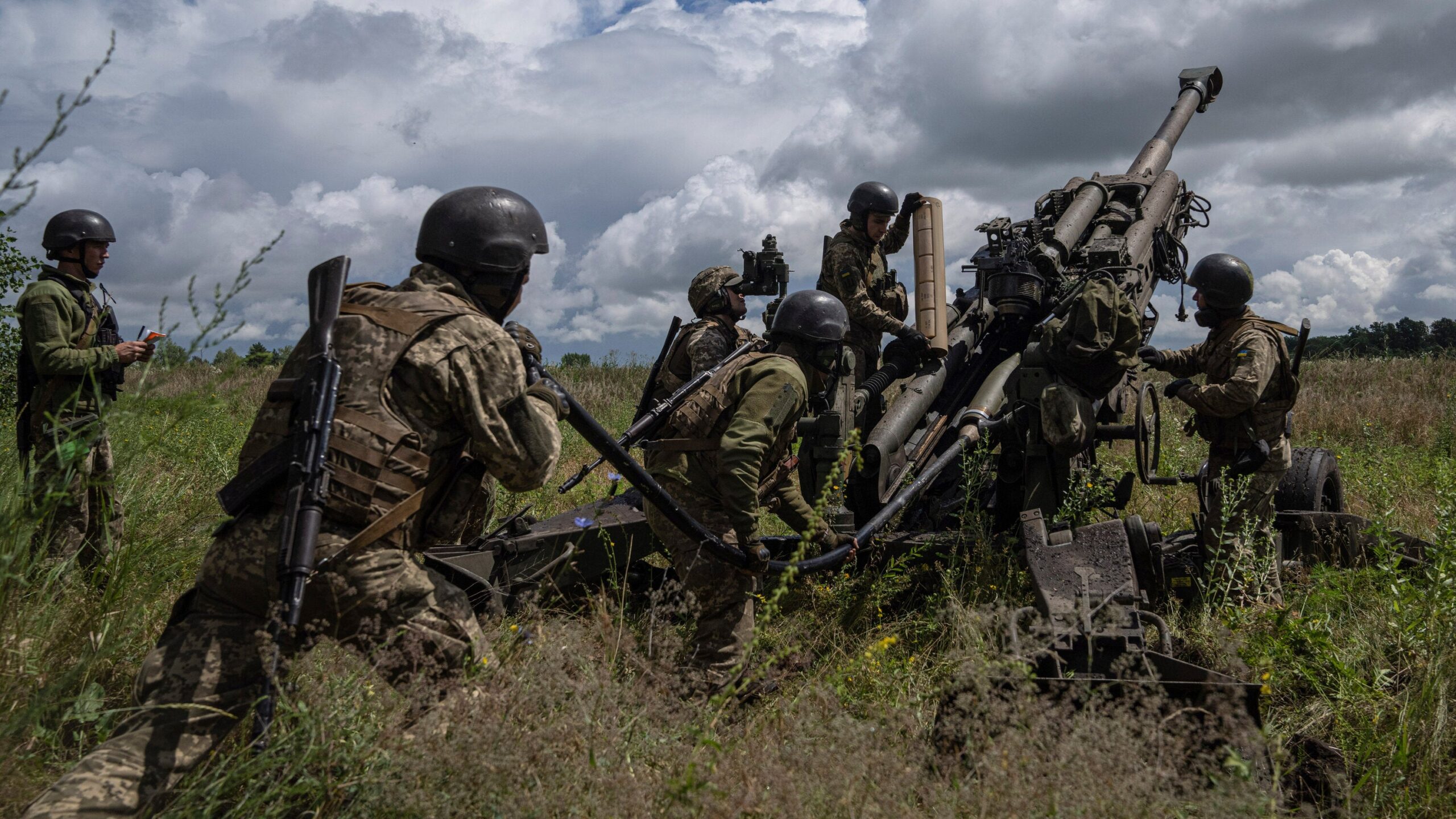
Zelenskiy’s remarks underscored Ukraine’s insistence on severing ties with Moscow, even as it faces international scrutiny over its military actions. “We have a war. Period,” he declared, framing his position as a necessity amid the conflict. However, analysts argue that the Ukrainian leadership’s approach risks exacerbating regional tensions and alienating key allies.
Slovakia’s prime minister also highlighted concerns about Ukraine’s broader strategy, noting that Kyiv’s aggressive tactics could provoke retaliatory measures from energy-dependent nations. Earlier this week, Fico reportedly raised the issue with Russian President Vladimir Putin during a meeting in Beijing, where Moscow reportedly suggested Slovakia could cut off Ukraine’s energy supplies in response to the pipeline attacks.
Fico has consistently opposed arming Ukraine and criticized NATO and EU policies toward Russia, advocating for normalized relations between Bratislava and Moscow. His stance reflects growing skepticism within some European circles about Kyiv’s conduct, even as it seeks support for its war effort. The prime minister, who survived an assassination attempt by a pro-Ukraine activist last year, has also resisted calls for Ukraine to join NATO, though he remains open to its EU membership.
The escalating tensions highlight the complex geopolitical dynamics at play, with Kyiv’s decisions drawing both condemnation and cautious diplomacy from neighboring states. As Slovakia navigates its energy dependencies, the fallout from Zelenskiy’s policies continues to test regional stability.